Brand histories
The History of Skoda
Autopapyrus
The well-known Czech maker of passenger and commercial vehicles, ŠKODA Auto a.s., is part of the Volkswagen Group.
Skoda's history goes back to the late 19th century and follows two companies: a pair of machine and steel works in the Czech city of Plzeň, and a small engineering firm, Laurin&Klement Co (L&K).
The Plzeň factory originally made various metal structures and equipment for breweries and sugar mills. In 1869 it came under the ownership of a tireless businessman named Emil Škoda. From then on the business took off and the factory expanded. It exported sugar mills and also forged and cast ships, both civilian and military.
On the eve of World War I, Škoda was the main arms supplier in Austria-Hungary, and by the time fighting began it had focused entirely on military production. Škoda branches were set up abroad, and the home plant in Plzeň employed 35,000 workers.
Production didn't stop when peace returned. Škoda now built locomotives and aircraft, machine tools and turbines, various electrical equipment and, of course, cars. Such a wide range of activity, and car production in particular, became possible through the merger with Laurin&Klement Co.
Laurin&Klement Co had operated since 1895 and belonged to two entrepreneurs: engineer Václav Laurin and his namesake Václav Klement, a bookseller. Klement was a true cycling enthusiast. After his bicycle broke and he couldn't get any answer from the manufacturer about its poor quality, even after a number of angry letters, he decided to build bicycles of his own design. His partner was the mechanic Václav Laurin, and together they opened a new company and began making bicycles of their own design under the Slavia brand.
To keep up with the trends of the day, the partners decided to fit their bicycles with compact engines. In 1899 the company's first motorcycles were built in Prague, and they sold more abroad than at home.
Six years later Laurin&Klement took another leap forward by starting car production. The first model, the Voiturette, used a water-cooled, V-twin engine of 7 horsepower and 1,005 cc (61 cu in). It even won a race on the Semmering course. The first engines had only two cylinders, but during 1906-1907 the cars were switched to four- and eight-cylinder engines.
Around the same time, Laurin&Klement was transformed from a private, family-level business into a joint-stock company.
From 1915 to 1920 the company built the premium Model M, with a four-cylinder engine, headlights and an electric starter, which was a technical breakthrough for the time. During World War I this model was turned into a load carrier (rated for up to three tonnes) and fitted with a six-liter engine.
Cars, trucks and buses built at the L&K plant sold well abroad, including in Japan and Russia. After World War I the company's range also included aircraft engines and motorized farm machinery, including Excelsior plows that were exported to Russia.
In the 1920s the company did not do very well. Demand for cars fell because of the economic crisis and the impoverishment of the population, and the plant suffered a major fire. To avoid complete ruin, Laurin&Klement found a reliable partner in the well-known Škoda concern, which already had successful experience in the car business. From 1925 the firm became part of it, and all new cars were branded ŠKODA.
After the merger, previously developed models stayed in production, for example the classic 1921 L&K 100 with a four-cylinder engine of 1,771 cc (108 cu in).
In 1929 the debut ŠKODA 860 was introduced, powered by an eight-cylinder engine producing 60 horsepower. Depending on the version, this convertible or limousine could reach 100 km/h (62 mph). But because of its high price it found few buyers, and only 49 were sold in three years.
By 1930 the Škoda branch focused on passenger cars became independent, separating from the concern.
One of the iconic cars of the 1930s was the compact Škoda 420 Popular, with a top speed of 80 km/h (50 mph). Built as a four-seat convertible or a roadster, it was often used as an ambulance or a commercial van.
From 1938 the Czech lands were under Nazi German rule, and the occupiers were interested in military equipment. So in those years the ŠKODA assembly line mostly turned out militarized products: off-road vehicles, tracked tractors, and a special hybrid of tractor and truck on giant wheels called the Raupenschlepper Ost.
When peace came, Czechoslovakia turned communist, and Škoda became a nationalized company with a monopoly on passenger car production. Near the end of the war the Germans bombed the Czech plant from the air, but it recovered quickly, and in 1947 more than five thousand Populars were built there.
The symbol of the brand's "second life" was the four-door 1952 Škoda 1200, with a 36-horsepower, 1,221 cc (74.5 cu in) engine. This car was very popular as a van and was often used to carry passengers. In the Soviet Union, ambulance doctors drove these cars in wagon form until 1965, and Škoda tractor units were a common sight with long-haul truckers. During this period, Škoda exports were limited to the countries of the socialist bloc.
In 1954 the Škoda Spartak appeared, with an aluminum body and a new ventilation system, and it went into series production as the ŠKODA 440. It had a 40-horsepower engine. The sporty version of the Spartak from the late 1950s got a 50-horsepower engine and a folding top.
In 1959 the lineup was revised and the cars got new names. The ŠKODA 440 became the Octavia, the 445 the Octavia Super, and the 450 was called the Felicia. Other models appeared too, as variations on their predecessors.
In 1964 the all-new Škoda 1000 MB was released, with a four-cylinder engine of 988 cc (60 cu in) producing 45 horsepower.
The sporty 110 R coupe launched in 1970, with a 1.1-liter engine making 62 horsepower. The Škoda 120 had a new body, an updated interior and instrument panel, and a completely different radiator grille.
In the 1980s Škoda models got 13-inch wheels and bumpers made of a special plastic. The Škoda 130, which appeared in 1984, had a five-speed gearbox and remarkable maneuverability.
1990 saw the arrival of the ŠKODA Favorit, which the famous Bertone helped design.
A year later Škoda became part of the German automaker Volkswagen. The first model created under the famous group was the Felicia, with new engines, offered as a pickup and a wagon. Work also continued on the next generations of the Škoda Octavia.
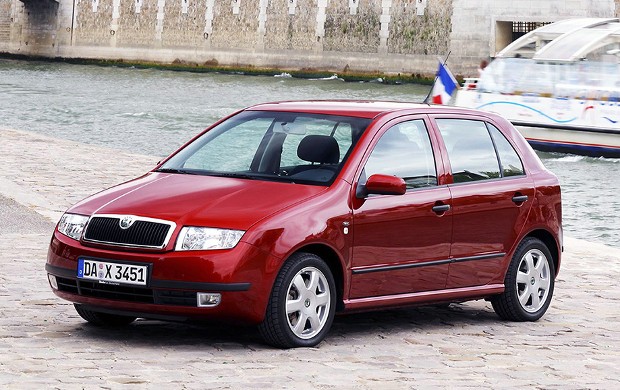
In 1999 the Felicia was replaced by the Škoda Fabia, which was a real success, partly because it was based on Volkswagen engineering yet cost less than its Teutonic counterparts. From 2001 various versions of the Fabia began to appear, including a more basic one and the Fabia Praktik, a cargo-passenger version.
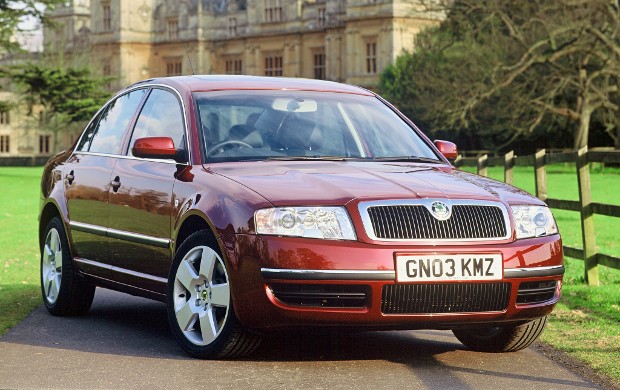
The luxurious Škoda Superb, built on the Volkswagen Passat platform, joined the lineup in 2001. The model has been updated several times, and its third generation was unveiled in 2015.
The story of one of Škoda's most popular models, the Yeti, began in 2009. This compact crossover, built on the Volkswagen A5 platform, took fourth place in the 2010 European Car of the Year contest. In 2011 the 100,000th Škoda Yeti rolled off the line. The model has a number of innovative features, such as fog lights, the Vario Flex rear-seat configuration option, and more.
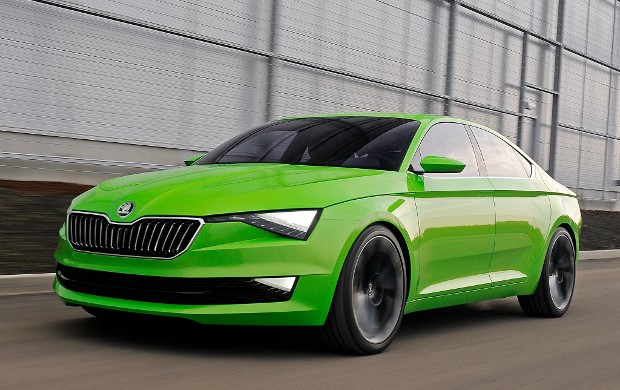
In 2014 the public's attention was drawn to the Škoda VisionC concept car, with a radically new look, built on Volkswagen's MQB platform and powered by an engine that can run on either gasoline or natural gas.
Volkswagen, and Škoda along with it, pays considerable attention to emerging markets. In 2014 alone, the company's profit was 817 million euros, and brand sales reached 1,037,200 vehicles.
Skoda's history goes back to the late 19th century and follows two companies: a pair of machine and steel works in the Czech city of Plzeň, and a small engineering firm, Laurin&Klement Co (L&K).
The Plzeň factory originally made various metal structures and equipment for breweries and sugar mills. In 1869 it came under the ownership of a tireless businessman named Emil Škoda. From then on the business took off and the factory expanded. It exported sugar mills and also forged and cast ships, both civilian and military.
On the eve of World War I, Škoda was the main arms supplier in Austria-Hungary, and by the time fighting began it had focused entirely on military production. Škoda branches were set up abroad, and the home plant in Plzeň employed 35,000 workers.
Production didn't stop when peace returned. Škoda now built locomotives and aircraft, machine tools and turbines, various electrical equipment and, of course, cars. Such a wide range of activity, and car production in particular, became possible through the merger with Laurin&Klement Co.
Laurin&Klement Co had operated since 1895 and belonged to two entrepreneurs: engineer Václav Laurin and his namesake Václav Klement, a bookseller. Klement was a true cycling enthusiast. After his bicycle broke and he couldn't get any answer from the manufacturer about its poor quality, even after a number of angry letters, he decided to build bicycles of his own design. His partner was the mechanic Václav Laurin, and together they opened a new company and began making bicycles of their own design under the Slavia brand.
To keep up with the trends of the day, the partners decided to fit their bicycles with compact engines. In 1899 the company's first motorcycles were built in Prague, and they sold more abroad than at home.
Six years later Laurin&Klement took another leap forward by starting car production. The first model, the Voiturette, used a water-cooled, V-twin engine of 7 horsepower and 1,005 cc (61 cu in). It even won a race on the Semmering course. The first engines had only two cylinders, but during 1906-1907 the cars were switched to four- and eight-cylinder engines.
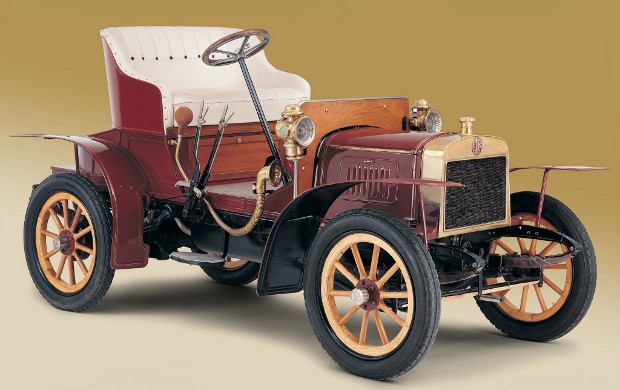
Around the same time, Laurin&Klement was transformed from a private, family-level business into a joint-stock company.
From 1915 to 1920 the company built the premium Model M, with a four-cylinder engine, headlights and an electric starter, which was a technical breakthrough for the time. During World War I this model was turned into a load carrier (rated for up to three tonnes) and fitted with a six-liter engine.
Cars, trucks and buses built at the L&K plant sold well abroad, including in Japan and Russia. After World War I the company's range also included aircraft engines and motorized farm machinery, including Excelsior plows that were exported to Russia.
In the 1920s the company did not do very well. Demand for cars fell because of the economic crisis and the impoverishment of the population, and the plant suffered a major fire. To avoid complete ruin, Laurin&Klement found a reliable partner in the well-known Škoda concern, which already had successful experience in the car business. From 1925 the firm became part of it, and all new cars were branded ŠKODA.
After the merger, previously developed models stayed in production, for example the classic 1921 L&K 100 with a four-cylinder engine of 1,771 cc (108 cu in).
In 1929 the debut ŠKODA 860 was introduced, powered by an eight-cylinder engine producing 60 horsepower. Depending on the version, this convertible or limousine could reach 100 km/h (62 mph). But because of its high price it found few buyers, and only 49 were sold in three years.
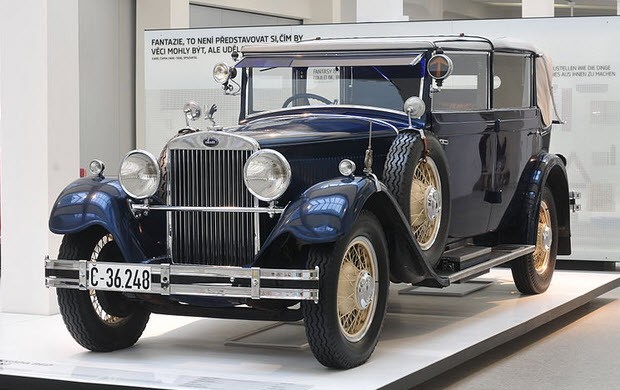
One of the iconic cars of the 1930s was the compact Škoda 420 Popular, with a top speed of 80 km/h (50 mph). Built as a four-seat convertible or a roadster, it was often used as an ambulance or a commercial van.
From 1938 the Czech lands were under Nazi German rule, and the occupiers were interested in military equipment. So in those years the ŠKODA assembly line mostly turned out militarized products: off-road vehicles, tracked tractors, and a special hybrid of tractor and truck on giant wheels called the Raupenschlepper Ost.
When peace came, Czechoslovakia turned communist, and Škoda became a nationalized company with a monopoly on passenger car production. Near the end of the war the Germans bombed the Czech plant from the air, but it recovered quickly, and in 1947 more than five thousand Populars were built there.
The symbol of the brand's "second life" was the four-door 1952 Škoda 1200, with a 36-horsepower, 1,221 cc (74.5 cu in) engine. This car was very popular as a van and was often used to carry passengers. In the Soviet Union, ambulance doctors drove these cars in wagon form until 1965, and Škoda tractor units were a common sight with long-haul truckers. During this period, Škoda exports were limited to the countries of the socialist bloc.
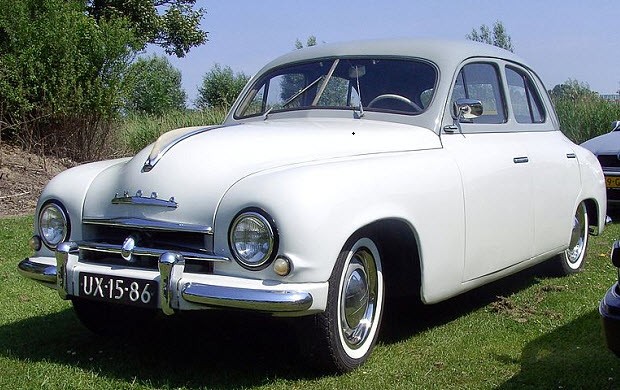
In 1954 the Škoda Spartak appeared, with an aluminum body and a new ventilation system, and it went into series production as the ŠKODA 440. It had a 40-horsepower engine. The sporty version of the Spartak from the late 1950s got a 50-horsepower engine and a folding top.
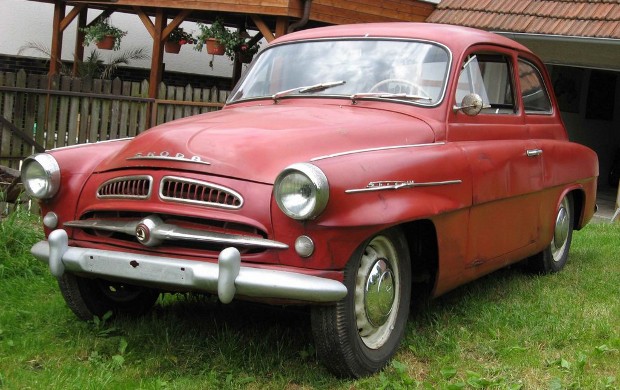
In 1959 the lineup was revised and the cars got new names. The ŠKODA 440 became the Octavia, the 445 the Octavia Super, and the 450 was called the Felicia. Other models appeared too, as variations on their predecessors.
In 1964 the all-new Škoda 1000 MB was released, with a four-cylinder engine of 988 cc (60 cu in) producing 45 horsepower.
The sporty 110 R coupe launched in 1970, with a 1.1-liter engine making 62 horsepower. The Škoda 120 had a new body, an updated interior and instrument panel, and a completely different radiator grille.
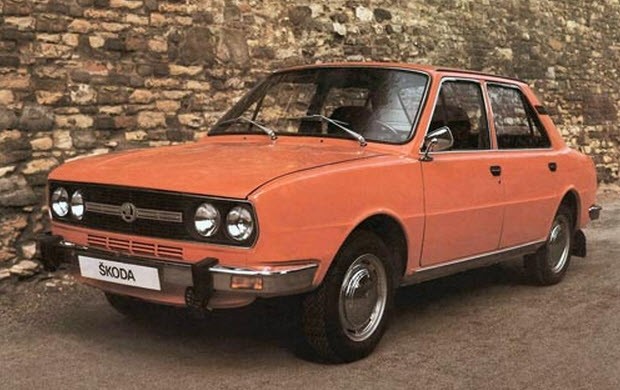
1990 saw the arrival of the ŠKODA Favorit, which the famous Bertone helped design.
A year later Škoda became part of the German automaker Volkswagen. The first model created under the famous group was the Felicia, with new engines, offered as a pickup and a wagon. Work also continued on the next generations of the Škoda Octavia.
In 1999 the Felicia was replaced by the Škoda Fabia, which was a real success, partly because it was based on Volkswagen engineering yet cost less than its Teutonic counterparts. From 2001 various versions of the Fabia began to appear, including a more basic one and the Fabia Praktik, a cargo-passenger version.
The luxurious Škoda Superb, built on the Volkswagen Passat platform, joined the lineup in 2001. The model has been updated several times, and its third generation was unveiled in 2015.
The story of one of Škoda's most popular models, the Yeti, began in 2009. This compact crossover, built on the Volkswagen A5 platform, took fourth place in the 2010 European Car of the Year contest. In 2011 the 100,000th Škoda Yeti rolled off the line. The model has a number of innovative features, such as fog lights, the Vario Flex rear-seat configuration option, and more.
In 2014 the public's attention was drawn to the Škoda VisionC concept car, with a radically new look, built on Volkswagen's MQB platform and powered by an engine that can run on either gasoline or natural gas.
What next