Autopapyrus · Opel Zafira A (1st generation)
https://autopapyrus.com/guides/opel/zafira/radiator-replacement/
https://autopapyrus.com/guides/opel/zafira/radiator-replacement/
Compiled automatically from service literature and owner experience. Specs are for the typical configuration — check them against your exact car before you start.
Opel Zafira A (1st generation): Radiator Replacement
The radiator sits at the front of the engine bay behind the bumper, together with the electric fan in its shroud. To replace it, drain the coolant, remove the hoses and the fan shroud, take out the radiator and install the new one. Then refill the system and bleed the air out thoroughly. The exact order of fasteners depends on the trim level (whether the car has A/C). Some points below are given as general principles.
Part
- 🔩 Engine radiator for Zafira A 1.8 (Z18XE). It comes in versions with and without A/C, and with manual or automatic transmission, so compare the mounting dimensions and hose connections with the old radiator. You will also need the same type of coolant that is already in the system (Opels of this period typically use orange, organic-based coolant, and different types must not be mixed). If the hoses are worn, get new hoses and clamps as well
 There's a full repair manual for this car
Every system, wiring diagrams and torque specs — not just this job. Haynes and 6 more.
See manuals →
Step by step
12 steps- Wait until the engine has cooled down completely. Open the hood and disconnect the negative battery terminal. If accessible, remove the lower engine bay splash shield.
- Place a drain pan under the radiator. Open the coolant reservoir cap so the coolant can drain freely. Then open the drain plug at the bottom of the radiator or remove the lower hose from the radiator. Let the coolant drain completely.
- Disconnect the electrical connectors of the electric fan and sensors if they are attached to the shroud or radiator. Note how the wiring is routed.
- Remove the upper and lower hoses from the radiator. Loosen the clamps and check the hoses for cracks and softening. Disconnect the small coolant reservoir hoses. On automatic transmission versions, also disconnect the transmission cooler lines if they connect to the radiator. Place a pan under the leaking fluid and plug the openings.
- Remove the air duct and the plastic covers on top if they are in the way. Take out the fan shroud with the fan: it is usually held by clips and a few bolts.
- On a car with A/C, the engine radiator sits next to the condenser. Do not disconnect the A/C lines or open the refrigerant circuit. Just release the condenser mounts from the radiator and carefully move the condenser aside so you do not damage the lines. If doing this requires discharging the system, take the car to a repair shop.
- Remove the upper mounting brackets or retainers of the radiator. Lift the radiator up and take it out of the engine bay, taking care not to damage the fins of the radiator and condenser.
- Transfer the sensors, plugs, retainers and rubber mounts to the new radiator if they are not included. Check the lower rubber mounts and replace them if worn.
- Install the new radiator in reverse order. Make sure it seats in the lower mounts and that its fins do not touch the condenser. Do not overtighten the fasteners on plastic parts. Torque values for this assembly are low; check the exact value against the manufacturer's specifications.
- Connect the hoses and tighten the clamps, close the drain plug, connect the fan and sensor connectors, then refit the shroud and air ducts.
- Fill the coolant reservoir to the MAX mark. Start the engine, set the heater to maximum and let it run, topping up the coolant periodically as the air is purged. Wait for the fan to switch on and make sure it works.
- Check the system for leaks: inspect the connections for seepage with the engine warm. After it cools down, check the level and top up to the proper level. Check the level again after a couple of days of driving.
Common mistakes and warnings
- Do not open the coolant reservoir cap on a hot engine: the system is under pressure and you can be burned. Do not mix different types of coolant (orange organic with green or blue). Do not allow air pockets: overheating quickly leads to cylinder head warping. Coolant is toxic, so dispose of it properly. If the refrigerant circuit on an A/C-equipped car has to be opened, this must only be done at a repair shop with proper recovery and recharging equipment.
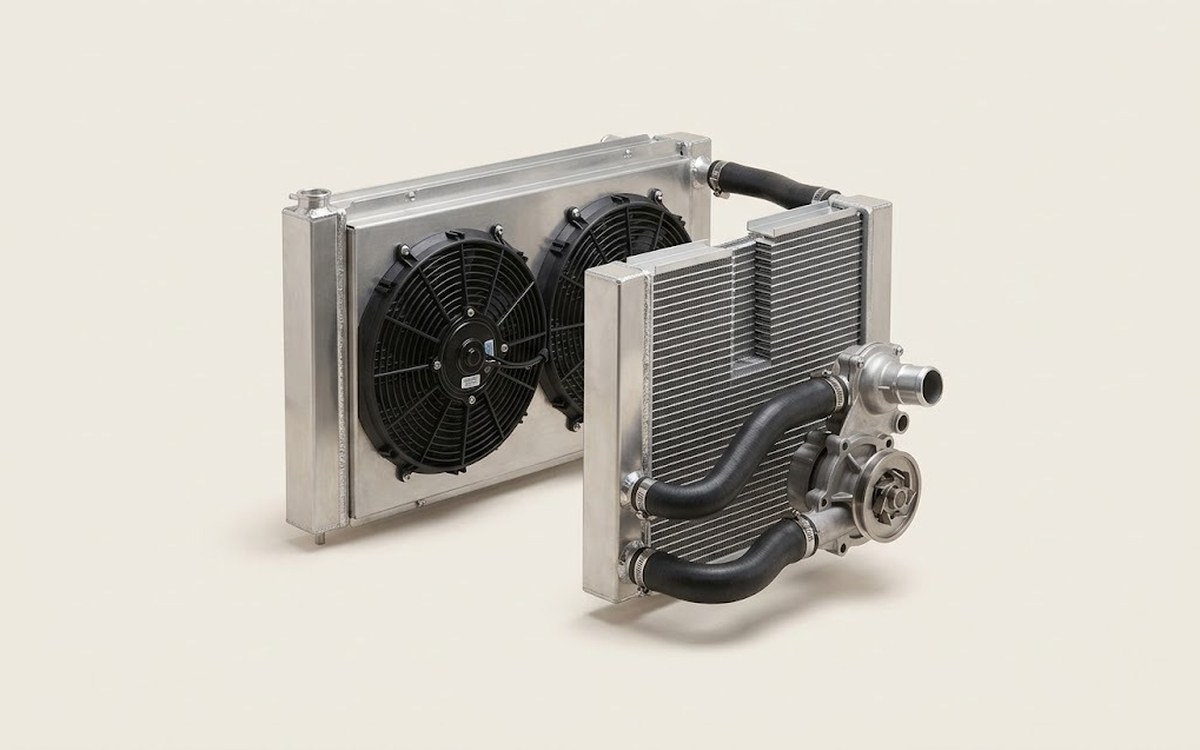 How it works · 3D
How the Engine Cooling System Works
How the part you're working on actually works — in plain English, on a 3D model.
Open in 3D →