Car care & driving
Getting Your Diesel Engine Ready for Winter
Autopapyrus
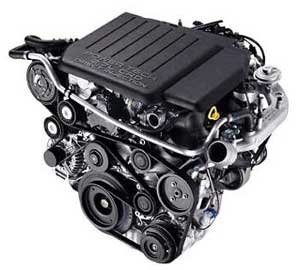
Winter makes life harder for a diesel engine. In the cold, fuel becomes more viscous and doesn't atomize well through the injector. Even once it is sprayed, it can condense like dew inside the combustion chamber, which makes it harder to vaporize. Cold air enters the cylinders, but that only makes things worse. Starting is difficult because the oil thickens and its resistance increases. Our diesel engine repair manuals can help you deal with these problems.
So how should you prepare a diesel engine for winter?
1. Battery. Diesels have high compression ratios and high cranking speeds, so the battery must be powerful, which is indicated by its cold cranking current rating. In winter, use only batteries with a cold cranking rating of at least 320 A. Also, if a battery has been in service for more than 3 years, problems may appear.
2. Electrolyte level. The battery should never be run dry.
3. Battery terminals, starter terminals and wire ends. Be sure to clean off any corrosion. Keep in mind that battery capacity drops in freezing weather, and the contact resistance in the electrical circuits will be high. Coat the terminals with grease to protect them from the damaging effects of road salt.
4. Drain the sediment from the fuel tank and fuel filter.
5. Have the engine checked, since the injection timing may need adjusting. If the timing is off, the engine will be hard to start. It is best to have the timing adjusted by a professional service shop.
6. Remove the mesh screen from the pickup inside the fuel tank. This screen can contribute to clogging. Otherwise, you may need to blow out the fuel line from the tank in the opposite direction, so it is better to let the diesel flow straight to the filter.
7. If the vehicle has more than 100,000 km (62,000 miles) on the odometer, starting the diesel in winter will be difficult. To avoid problems, check the compression in the engine cylinders. If there are problems, you will need to replace the piston rings and the cylinder liners.
8. Use the right engine oil for your climate. If temperatures rarely drop below -25°C (-13°F), you can safely use all-season engine oils. SAE 10W-30 is the best choice, since it helps avoid engine problems and keeps the starter and battery in good condition. 5W-30 oils are better in regions where severe frosts are more common. Can you use starting-fluid aerosol cans filled with flammable products? Remember that a diesel engine can be seriously damaged if you overdose. For example, 1 cc (0.06 cu in) of aerosol starting fluid can break the pistons, because the loads are high and the mixture can ignite too early.
What next