Car care & driving
Waterless Car Washing: How It Works
Autopapyrus
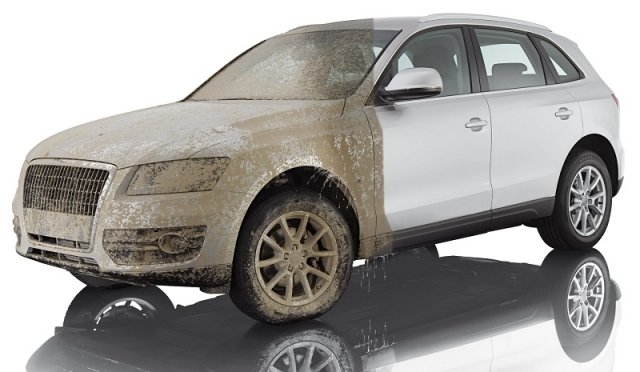
Most drivers are not eager to wash a dirty car, and many put off the dreaded "wet" job as long as they can. The mere thought of dealing with gallons of water is enough to put them off. Surprisingly, you don't have to mix up soap and rinse the body with warm water to get your car clean. A lesser-known method spares you the buckets entirely, because a waterless wash needs no water at all.
Today there are four known types of car wash: hand wash, automatic wash, touchless wash and waterless wash. Only the last one differs fundamentally from the others. It's worth being clear about the main drawback of the three wet methods. Washing a passenger car by hand takes at least five buckets (about 50 liters / 13 gallons) of clean water. Otherwise you can't guarantee a thorough cleaning and complete rinsing of the soap, which is harmful to paint. An automatic or touchless wash uses even more water. And a car owner doesn't always have enough clean water on hand.
For a waterless wash you need dry microfiber cloths or rags and a special spray cleaner and polish, often called a waterless wash. Special wipes are sometimes sold together with the spray, but they're optional, since the spray does the main work either way. Waterless wash products are made by many manufacturers. They all contain various oils and lubricating or wetting agents that soften and dissolve the dirt on the body.
You can do a waterless wash anywhere that's convenient. Just spray the product over the body panels. Cover every area without skipping any spots, so the coating goes on evenly. A single wash takes only about 100 grams (3.5 oz) of product. After you apply it, the product needs 1 to 2 minutes to bond with the dirt and loosen it. Then wipe the car thoroughly with a dry, clean cloth or the special wipes. Because the product lifts the dirt, it helps protect the paint from scratches. Use plenty of clean cloths, and fold or switch them often so you don't drag grit across the paint.
Unfortunately, this method isn't suitable for winter, because at below-freezing temperatures the product can freeze right on the body. In cold weather you'll need a heated garage to do a waterless wash.
When you finish, a protective layer remains on the paint, much like the one left by a wax treatment. This coating repels both water and greasy substances, so the car doesn't pick up dirt as easily.
A waterless wash is also an economical way to clean your car, since a wash at a professional detailing shop can really hurt your wallet. Another big advantage is speed: cleaning a standard passenger car takes no more than 10 minutes. And because you need no extra equipment, you can do it almost anywhere. It's also more than just cleaning. It gives you a real polish that protects the car from sunlight and slows down re-soiling.
With waterless wash products, car owners can clean their car's body quickly. These products can deliver a result worthy of the best detailing shops in the world. Note that this method works best on light dust and everyday dirt. For a heavily soiled car, such as one caked in mud or road salt, rinse it with water first, or the wipes may scratch the paint.
After washing your car, don't forget to check your fluid levels, such as engine oil and coolant. Also check your brake pads and spark plugs. They may well be due for replacement.
What next