Car care & driving
How to Choose Your Car's Color
Autopapyrus
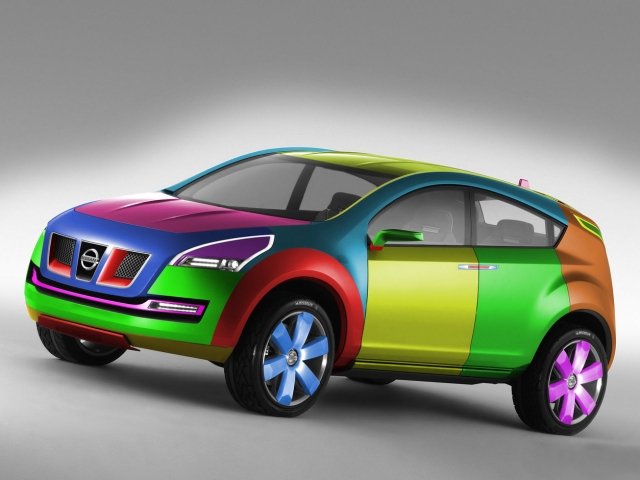
Picking a color for your next car is usually a surprisingly tough decision. When you buy a vehicle, color is one of the main criteria, right alongside design, price and the technical specifications you'll find in your owner's manual, whether it's for a Ford or any other make. To catch buyers' attention, automakers keep expanding the color palettes of their models by adding new, original shades. Every year, car brands introduce at least five brand-new colors and ten new shades for their vehicles.
Prestige premium cars are usually painted in refined, classic colors, while budget models come in a wider variety of shades. You can also change your car's look at any body shop, so a driver is free to experiment with a new paint job as often as every year. An unusual factory color can have a significant effect on a vehicle's overall price. It has also been observed that the color an owner chooses can say something about their character, preferences and even driving style. As Henry Ford himself noted, black cars most often belong to the premium class. This color symbolizes self-confidence, consistency and stability. Such drivers tend to be firm in their decisions and don't tolerate compromise. Black cars are often seen racing along in the far left lane, pulling away from the rest of the traffic.
Drivers who prefer a calm white car are generally reserved and even-tempered. Most of them follow traffic rules conscientiously. Interestingly, statistics show that white cars are stolen significantly less often than cars of any other color. A white car stands out strikingly in traffic. This color also shows off the car's design and body shape to good advantage. It's pleasing to the eye in both summer and winter, but when snow falls, driving a white vehicle is riskier than driving a car of any other color, because it's harder to see.
Blue or light blue cars can make it harder for other drivers to fully judge the situation on the road. Green is considered to symbolize comfort, tranquility and harmony. An owner who prefers a green car is likely unhurried and used to making well-considered decisions.
Red is chosen by decisive, bold and outgoing people, who are often also strong-willed, don't take objections well and are overly confident in their own superiority. Owners of red cars don't mind showing off on the road and putting their driving skills on full display. Yellow can signal restraint, good manners and ease, and sometimes also bold behavior behind the wheel. Yellow acts strongly on the eye's visual receptors and stays in memory for a long time. It's no accident that taxis are painted this color: it makes them visible from a long distance.
Steel gray has also become very popular lately. It is associated with confidence in the future, happiness and harmony. There is also a view that silver is chosen by drivers who want to show off their superiority, as well as a fondness for a high-tech style.
According to the statistics, silver has pushed aside the once-in-demand white, black, blue, green and red cars quite seriously. New silver shades with a refined golden sheen may well appear in the near future. Of course, it would be a mistake to say so with complete certainty, because fashions are always changing, and silver may well disappear altogether before long. For example, many European drivers now prefer bright, loud colors.
Once you've settled on your car's color and made that long-awaited purchase, don't forget that the car needs careful attention and regular care. A good repair manual for your make and model is a great place to start.
What next