Car care & driving
Getting Your Car Ready for a Road Trip
Autopapyrus
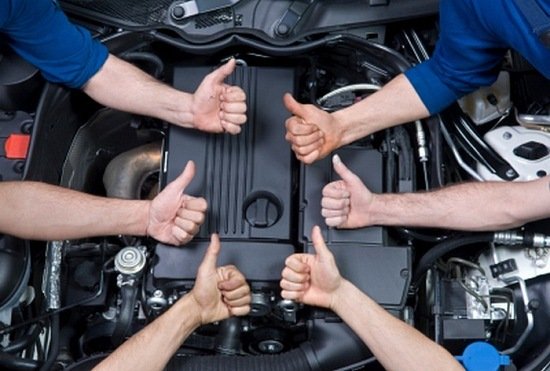
Vacation season is coming, and many drivers are eager to hit the road, whether it's a beach getaway, a long trip across the country, or even a journey abroad. To make sure the trip leaves you with only good memories, you need to be ready yourself and take care of your car, too. Here are a few important tips for preparing your vehicle for a long trip.
The first and most obvious step is to clean up the inside and outside of the vehicle. Of course, the car won't stay spotless for long, but keeping the headlights and windows in good condition will be much easier.
Start with the simplest things: check that the rearview mirror is in good shape, test the brake lights, and adjust the headlight aim. You should also check your tire pressure. In the city this may seem like a trifle, but on a highway at speed the consequences can be quite serious. It's also a good idea to have your car fully diagnosed at a professional repair shop. Check and, if necessary, replace all of the car's fluids and wear items, such as spark plugs, belts, and filters. Pay close attention to the suspension and braking system: replace cracked brake hoses with new ones, check the brake pads and rotors, and fix any brake fluid leaks. Make sure the chassis and suspension components, including dust boots and rubber covers, are in good condition. Check whether the springs, shock absorbers, and the bushings of the front control arms, ball joints, and rear suspension arms need replacing. It's best to have the chassis diagnosed on a test stand. This will help reveal hidden problems that don't yet make the car unsafe to drive but could get worse in the near future.
When planning a long trip, remember that service stations along highways usually either have a limited selection or sell goods at inflated prices. So when packing for your car, bring fluids such as coolant and engine oil, as well as spare bulbs. A car usually uses about three types of bulbs, and if a factory bulb burns out on the road, having spares will save you a lot of trouble. In many places, a police officer who notices any lighting fault can order you to stop driving the car until it's repaired. Don't forget a minimum set of tools, either. A screwdriver, pliers, a lug wrench, a jack, an air compressor, a tow rope, and even a simple flashlight can make life much easier when something unexpected happens on the road. And of course, a repair manual for your make and model, in other words a troubleshooting guide, can be an invaluable helper when minor breakdowns happen on the road.
Besides the technical preparation of the car, the paperwork matters too. Pay particular attention to it if you're crossing borders or traveling abroad. If you're going to another country, valid insurance coverage for that country is a must. The car's appearance should also meet basic requirements. License plates must be clearly visible and meet the required standard. The car's equipment should match its registration documents. This applies especially to xenon headlights and window tint. Bulb wattage shouldn't exceed what's specified in the vehicle documents, and tint darkness must comply with local regulations. If violations are found, police can require you to fix the problem and issue a fine. And, of course, don't forget to carry a first-aid kit and a fire extinguisher.
The first and most obvious step is to clean up the inside and outside of the vehicle. Of course, the car won't stay spotless for long, but keeping the headlights and windows in good condition will be much easier.
What should you check in your car before a long drive?
Start with the simplest things: check that the rearview mirror is in good shape, test the brake lights, and adjust the headlight aim. You should also check your tire pressure. In the city this may seem like a trifle, but on a highway at speed the consequences can be quite serious. It's also a good idea to have your car fully diagnosed at a professional repair shop. Check and, if necessary, replace all of the car's fluids and wear items, such as spark plugs, belts, and filters. Pay close attention to the suspension and braking system: replace cracked brake hoses with new ones, check the brake pads and rotors, and fix any brake fluid leaks. Make sure the chassis and suspension components, including dust boots and rubber covers, are in good condition. Check whether the springs, shock absorbers, and the bushings of the front control arms, ball joints, and rear suspension arms need replacing. It's best to have the chassis diagnosed on a test stand. This will help reveal hidden problems that don't yet make the car unsafe to drive but could get worse in the near future.
What should you bring with you?
When planning a long trip, remember that service stations along highways usually either have a limited selection or sell goods at inflated prices. So when packing for your car, bring fluids such as coolant and engine oil, as well as spare bulbs. A car usually uses about three types of bulbs, and if a factory bulb burns out on the road, having spares will save you a lot of trouble. In many places, a police officer who notices any lighting fault can order you to stop driving the car until it's repaired. Don't forget a minimum set of tools, either. A screwdriver, pliers, a lug wrench, a jack, an air compressor, a tow rope, and even a simple flashlight can make life much easier when something unexpected happens on the road. And of course, a repair manual for your make and model, in other words a troubleshooting guide, can be an invaluable helper when minor breakdowns happen on the road.
What else should you plan for?
Besides the technical preparation of the car, the paperwork matters too. Pay particular attention to it if you're crossing borders or traveling abroad. If you're going to another country, valid insurance coverage for that country is a must. The car's appearance should also meet basic requirements. License plates must be clearly visible and meet the required standard. The car's equipment should match its registration documents. This applies especially to xenon headlights and window tint. Bulb wattage shouldn't exceed what's specified in the vehicle documents, and tint darkness must comply with local regulations. If violations are found, police can require you to fix the problem and issue a fine. And, of course, don't forget to carry a first-aid kit and a fire extinguisher.
What next