Car care & driving
How to Choose the Right Alloy Wheels for Your Car
Autopapyrus
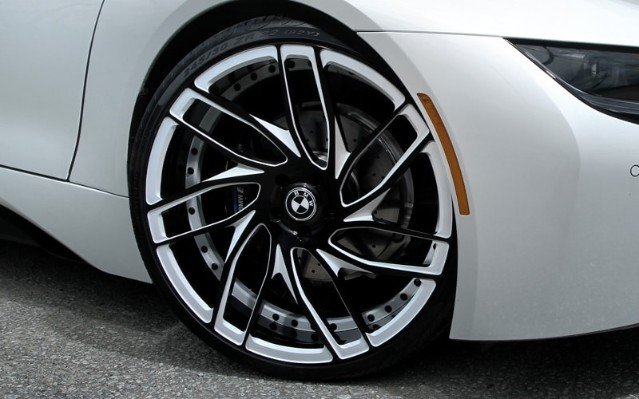
Today the market offers a huge range of alloy wheels from many manufacturers, whether Japanese, European, or American, each with its own distinctive design. But choosing the right wheel really comes down to checking a handful of key specifications against the values recommended by the vehicle's manufacturer.
The first spec is rim diameter. Don't go larger than the recommended size, or the front wheels won't be able to turn fully, and on uneven roads the tire will rub against the wheel arch.
The second spec to check is wheel width.
The third is the bolt pattern: the number of mounting holes and the diameter of the circle they sit on, which must match the hub.
Next is the center bore diameter. If the wheel's bore is larger than the hub, it's not a problem. Just buy a set of hub-centric rings and fit them into the wheel.
The wheel's offset is just as important. If the specs above don't match, the wheel simply won't fit onto the hub. But if the offset is wrong, the wheel will mount easily and the problems will show up later. Offset is the distance between the wheel's centerline (the vertical plane of symmetry) and the plane where the wheel mounts against the hub. If this value changes by even 5 mm (about 0.2 in), the wheel bearings and all the suspension and steering components come under serious extra load, so these parts wear out much faster.
In short, if you check every spec against the values recommended for your vehicle before buying alloy wheels, they won't just look good on your car. They also won't cause expensive repairs down the road.
What next