Car care & driving
How to Choose the Right Motor Oil
Autopapyrus
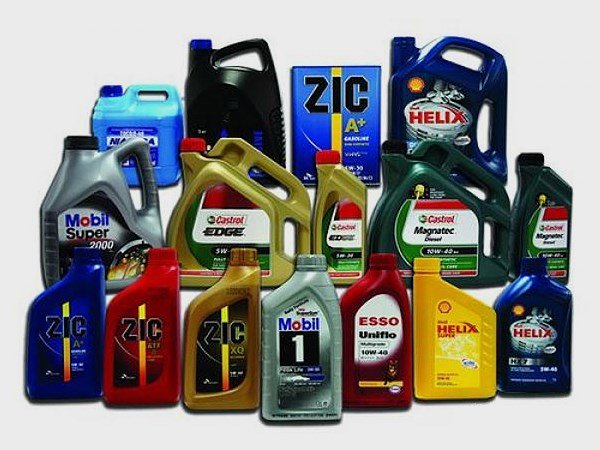
Winter is over, and the season everyone loves for road trips and getting out into nature is almost here. That means it's time to think about changing one of the most important fluids in your car. It's the one thing that all cars have in common, whether new or old, sporty or an ordinary city car: motor oil. If your car is at least three years old, you should pay close attention to choosing the right oil. This article covers the following questions: What oil does your car need? Where should you change it, at a shop or yourself? And how do you choose oil so you don't end up with a counterfeit?
When buying oil, many people notice the puzzling combinations of letters and numbers on the label. Every driver should know what these codes mean. The two most common standards are API, which classifies oils by performance quality, and SAE, which defines temperature range and viscosity grade.
Let's start with SAE. Take a grade like 10W-40. The "W" (for winter) means the oil is multigrade and suitable for use all year round. The number before the W tells you how well the oil flows in the cold: the lower it is, the better the oil handles low temperatures. The number after the W shows the oil's viscosity at operating temperature: the higher it is, the better the oil holds its protective qualities in high heat. If a label shows only one number with no W, it is a single-grade oil, which is generally suited to warm weather only.
Now for API. If the first letter is S, the oil is meant for gasoline engines; if it is C, it is for diesel engines. The further the second letter is from A, the newer and higher-quality the oil is. There are also dual-rated oils, such as SF/CC, although these are generally considered better suited to gasoline engines. If the C came first, the oil would be considered primarily a diesel oil.
Every car has an owner's manual that lists the oil specifications recommended by the manufacturer. If the manual has been lost, you can often find the oil information in the engine documentation or from the manufacturer. There's probably no need to argue the pros and cons of synthetic versus mineral oil at length. The usual rule of thumb is that mineral or semi-synthetic oil suits older, high-mileage engines, while fully synthetic oil suits more modern engines. Always check what your manufacturer specifies first.
Gas stations vs. open-air markets
Many people ask where they should change their oil and where they should buy it.
There are really three options for an oil change: a dealer service center, a quick-lube shop, or your own garage.
Where to change it is up to you: an authorized dealer or an independent specialist shop. Choose whichever suits you. The oil change procedure itself is fairly simple: open the drain plug, drain the old oil, refill with the right amount of new oil, and close it up. But if you don't know what an oil filter is, or how much oil your engine needs, head to a professional mechanic.
As for where to buy oil without running into a counterfeit, the answer is simple: not from roadside stalls where the seller says, "any oil will work fine for your car." If you're tempted to save money, remember the saying: the miser pays twice. Oil from a specialized store will cost you far less than oil from a market stall plus what will most likely follow: an expensive engine repair.
If the store or shop is far from you, a gas station from a well-known brand is a good alternative, since they are unlikely to tolerate poor service or knock-off oils.
If you're wondering whether to buy domestically produced oil, I'd say that local oils have long since caught up with imported ones, and in some respects even surpass them. It's the imported brands you should be more wary of, because they are counterfeited most often. It's best to buy them at a service center, where they will change the oil and check how the car runs afterward.
A car is too expensive to take that kind of risk with.
10W-40
There's no point in going through every oil out there, or this would go on forever, and we're all busy. So let's look at 10W-40, the golden mean. It is an all-season oil, suitable for both heat and cold.
Shell's 10W-40 has long been near the top and is regularly counted among the ten best oils. It offers excellent fuel economy, decent cleaning properties, and most importantly, reliable engine starts down to the temperature limit set by the manufacturer. In short, no real downsides, only advantages.
Mobil
Don't forget Mobil either. Its oil helps prevent heavy wear in harsh operating conditions.
G-Energy is also worth a mention. It is made in Italy at a plant owned by Gazprom Neft. It performs very well in tough conditions, with good cold starts and cleaning properties.
Castrol 10W-40 protects the engine well in hot weather, but it costs somewhat more than other brands. When winter arrives, you'll need to switch to an oil better suited to the season.
Mannol 10W-40 is valued for its long service life and relatively low price.
It is a good choice for owners of cars more than three years old.
Lukoil oil ages slowly, which means you'll need to visit the shop for an oil change much less often. Its counterpart from TNK stands out for excellent quality at a reasonable price.
Volkswagen's factory-fill oil doesn't have standout characteristics, but it has no real drawbacks either. It is environmentally friendly, protects the engine on cold starts, and a jug of it isn't expensive.
Agip 10W-40 is known for its anti-corrosion properties, good cleaning performance, and long service life.
Motul 10W-40 does a good job keeping engine temperature from climbing too high, which makes it better suited to hot summers than to cold winters. It also combats excess friction, which benefits the engine overall.
Xado 10W-40 offers trouble-free starts in winter down to -25 °C (-13 °F).
Total 10W-40 has quite good cleaning properties.
What next