Car care & driving
How to Choose the Right Coolant for Your Car
Autopapyrus
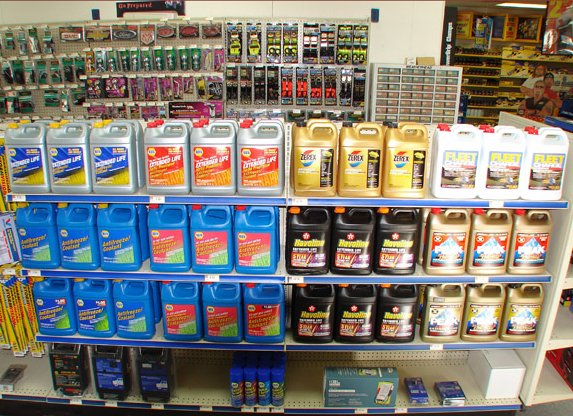
Every car owner knows that coolant (antifreeze) is one of the main fluids in a vehicle. It cools the engine, and the engine can't run reliably without it. For a long time, cars in the former Soviet market ran on a traditional ethylene glycol coolant known as Tosol. Once imported cars arrived, imported coolants followed, and owners suddenly had a choice to make.
Coolant has to be replaced at different intervals depending on the vehicle, and the interval is listed in your owner's manual. If the manual is in a language you don't read well, ask a professional. A specialized repair shop is a better choice than a random mechanic down the street. They can help you pick a coolant based on the weather conditions you drive in most often.
If you buy a used car and don't know which fluids were used before, it's best to change everything: the engine oil, the coolant and the washer fluid. You should also replace coolant if its color changes sharply. That means sediment is forming in it and it no longer protects against corrosion well. Coolant is usually changed every three years, or less often, every five years. Spent coolant loses its color and is harmful to engine components.
Read the label on the bottle carefully. Pay particular attention to the number next to the letter G, which indicates the coolant class (the G-number system comes from the VW/Audi specifications). Be aware that the class is not simply a matter of newer being better, so always check your owner's manual for the specification your engine requires. As a rough guide: G11 is for cars made before 1992; G12 is for cars made after 1996; G12 plus is for cars made from 2001.
Check the manufacturer, the production date and the expiration date. The label should also say whether the product can be mixed with other brands. The bottle should look well made, with a tightly closed cap and an intact tamper seal. Some manufacturers use transparent bottles so you can see the coolant itself. There should be no sediment in the bottle, and when you shake it, the foam should disappear within 3 seconds, or 5 seconds at most.
Avoid coolants that rely on additive packages of the old, conventional type, because those additives can't protect the aluminum parts of the engine at temperatures around 105°C (221°F). That is why many car owners have stopped using this type of coolant.
What next