Car care & driving
How Chemical Deposits Form in Your Engine
Autopapyrus
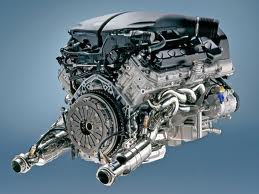
Automotive technology keeps evolving, improving the durability of every part in a vehicle. Compared with twenty years ago, today's engineering significantly extends the life of the engine, suspension, and other components, and the interval between scheduled maintenance visits has dropped by almost two-thirds. However perfect modern technical solutions may seem, sooner or later any equipment wears out for one reason or another. A part's service life depends largely on the loads it carries during operation. The engine, of course, is the champion in this respect.
The engine is one of those parts that is quite hard to fix in a home garage with basic tools and a service manual. When the powertrain fails, you usually have to rely on a repair shop, and that often means a hefty bill. For this reason, many owners look for the least expensive way to restore their engine's performance.
Most often, an engine fails because of heavy wear on its main components, which builds up over long years of use. This problem is partly kept in check by continuous improvements in the cleanliness of consumables such as oil and fuel. Better filter designs also extend the life of the powertrain. However, there is still no effective way to fight another problem: chemical deposits building up on the walls of hollow engine parts and fuel system components.
One of the main places where deposits form is the spray tip of the fuel injector. This happens in the first minutes after the engine is shut off, because the hot metal is still in contact with various substances, which triggers certain chemical reactions.
Another place where deposits form is the intake valve heads. Deposits there appear when oil that touches the hot surface bakes onto it.
Soot, which forms in the exhaust system, can also be counted as a chemical deposit. It is a natural result of burning the air-fuel mixture. Soot often clogs the exhaust gas recirculation (EGR) passages, which is another cause of breakdowns.
It is also worth saying that no repair manual will help you restore an engine yourself if it has been running on poor-quality fuel. The choice of fuel often plays a decisive role. Don't skimp on motor oil either, since its quality also has a major effect on the health of any vehicle's engine.
So how can you tell that chemical deposits have formed in the engine and fuel system? You can judge by how the car behaves on the road. If you notice any change in how it drives, that is a bad sign. Hard starting is another indicator of trouble, as is a sharp rise in fuel consumption accompanied by a change in the color and chemical makeup of the exhaust.
If you notice clear signs of chemical deposits in your car's systems, have it diagnosed and repaired as soon as possible.
The engine is one of those parts that is quite hard to fix in a home garage with basic tools and a service manual. When the powertrain fails, you usually have to rely on a repair shop, and that often means a hefty bill. For this reason, many owners look for the least expensive way to restore their engine's performance.
Main Causes of Engine Failure
Most often, an engine fails because of heavy wear on its main components, which builds up over long years of use. This problem is partly kept in check by continuous improvements in the cleanliness of consumables such as oil and fuel. Better filter designs also extend the life of the powertrain. However, there is still no effective way to fight another problem: chemical deposits building up on the walls of hollow engine parts and fuel system components.
One of the main places where deposits form is the spray tip of the fuel injector. This happens in the first minutes after the engine is shut off, because the hot metal is still in contact with various substances, which triggers certain chemical reactions.
Another place where deposits form is the intake valve heads. Deposits there appear when oil that touches the hot surface bakes onto it.
Soot, which forms in the exhaust system, can also be counted as a chemical deposit. It is a natural result of burning the air-fuel mixture. Soot often clogs the exhaust gas recirculation (EGR) passages, which is another cause of breakdowns.
It is also worth saying that no repair manual will help you restore an engine yourself if it has been running on poor-quality fuel. The choice of fuel often plays a decisive role. Don't skimp on motor oil either, since its quality also has a major effect on the health of any vehicle's engine.
Spotting Deposits
So how can you tell that chemical deposits have formed in the engine and fuel system? You can judge by how the car behaves on the road. If you notice any change in how it drives, that is a bad sign. Hard starting is another indicator of trouble, as is a sharp rise in fuel consumption accompanied by a change in the color and chemical makeup of the exhaust.
If you notice clear signs of chemical deposits in your car's systems, have it diagnosed and repaired as soon as possible.
What next