Car care & driving
All-Wheel Drive: Important Facts You Should Know
Autopapyrus
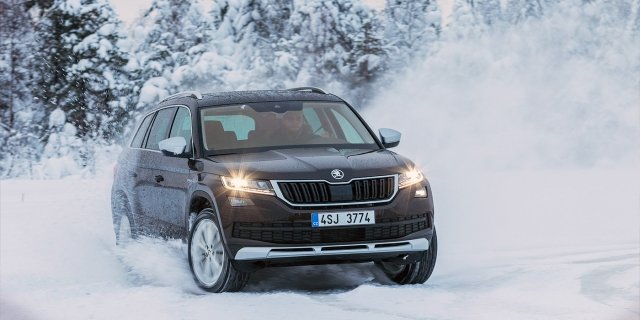
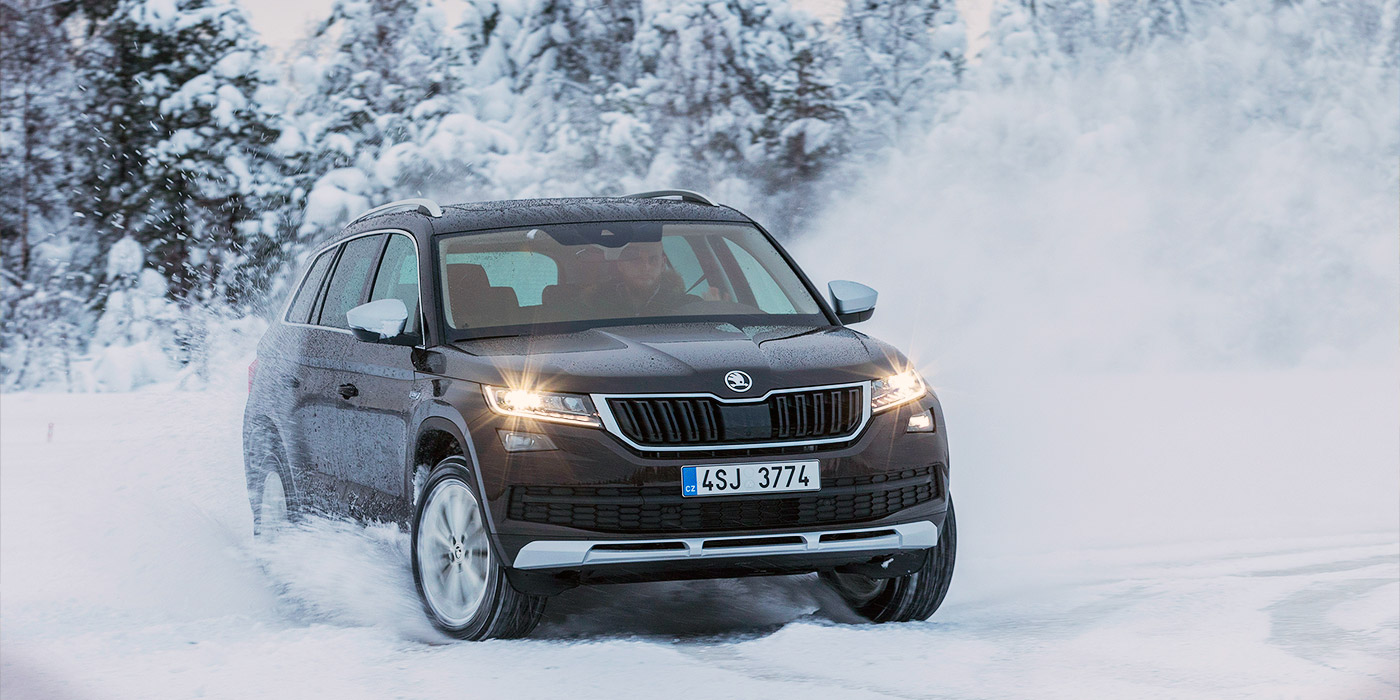
As we all know, winter doesn't hurry to leave when March arrives, and it keeps battering cities with heavy snowfall. Just as in the cold season, snow piles up in parking areas and on side streets, making it hard to park, and road crews don't always clear the roads quickly. At times like these, drivers of all-wheel-drive vehicles have a better chance of getting through snowy roads quickly and finding a parking spot.
All-Wheel Drive Is Getting More Affordable
All-wheel drive is no longer a luxury. Manufacturers are gradually offering it on a range of affordable SUVs and crossovers. Compact models such as the Renault Duster 4x4 and the Hyundai Creta with all-wheel drive are available at budget-friendly prices. But move up to a higher class of vehicle and all-wheel drive costs noticeably more. The Skoda Yeti, for example, is priced considerably higher.
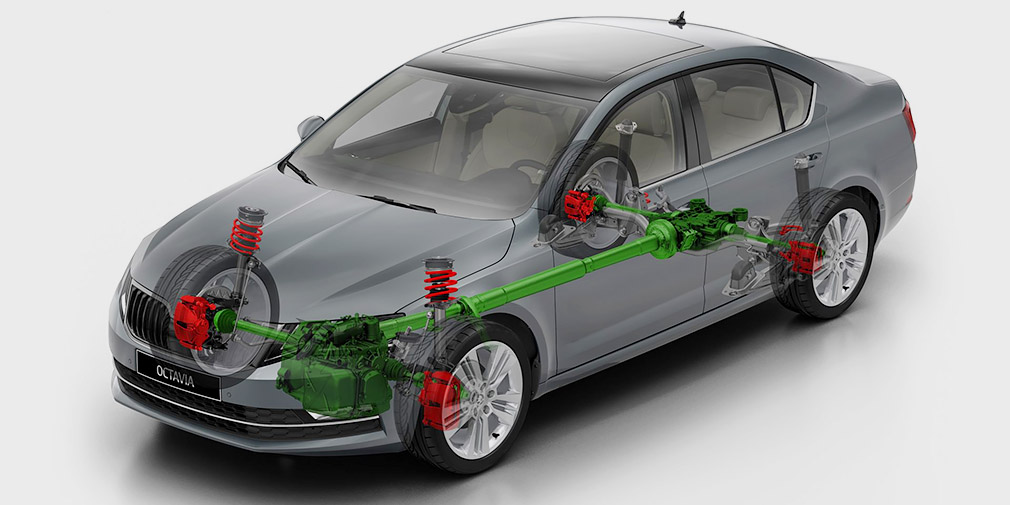
If you want a mainstream model with all-wheel drive, you will have to pay extra. For example, a front-wheel-drive Skoda Octavia 1.8 TSI is noticeably cheaper than the same car with all-wheel drive.
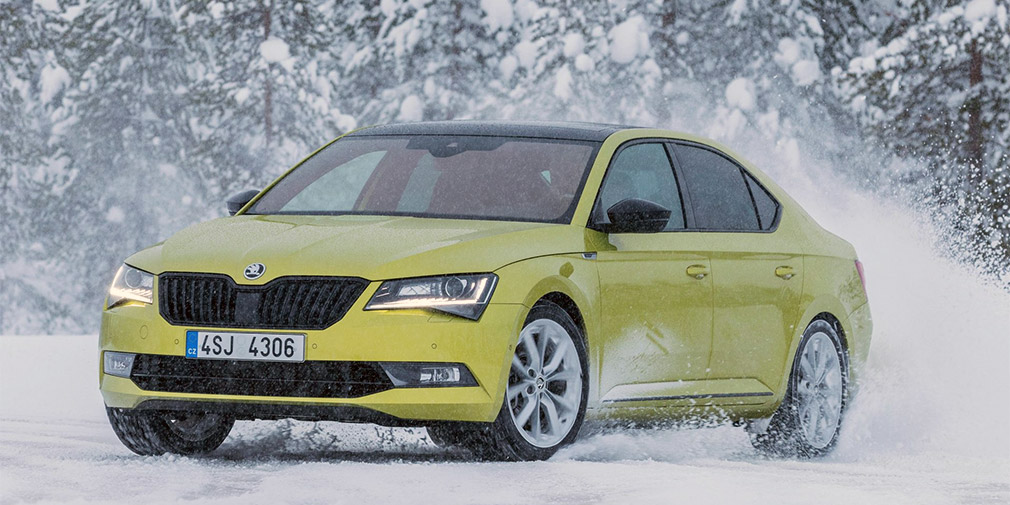
That said, it isn't easy to find an all-wheel-drive version among passenger cars from mainstream manufacturers. This option requires extra investment, and demand is fairly modest. For the most part, only premium cars offer all-wheel drive, with a few exceptions such as the Skoda Superb or the Suzuki SX4 sedan.
Electronics Do the Work
Modern all-wheel drive relies on electronically controlled clutches that distribute torque between the axles quickly and accurately. Torque is redistributed even on dry pavement. At launch, for example, torque is sent to the rear wheels in advance. Effective torque distribution is also essential in corners to keep the tires gripping the road. When the car is simply cruising in a straight line, the rear axle is disengaged so you don't waste fuel.
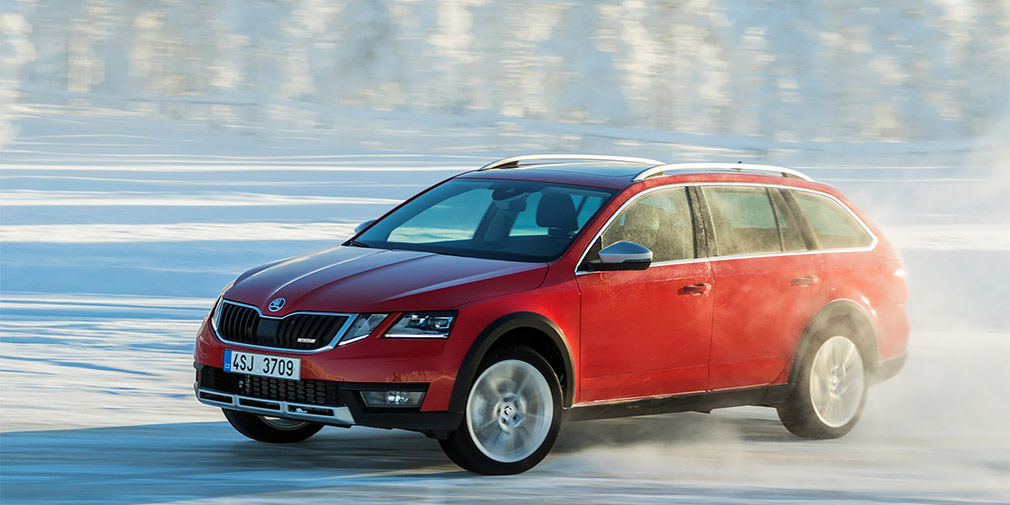
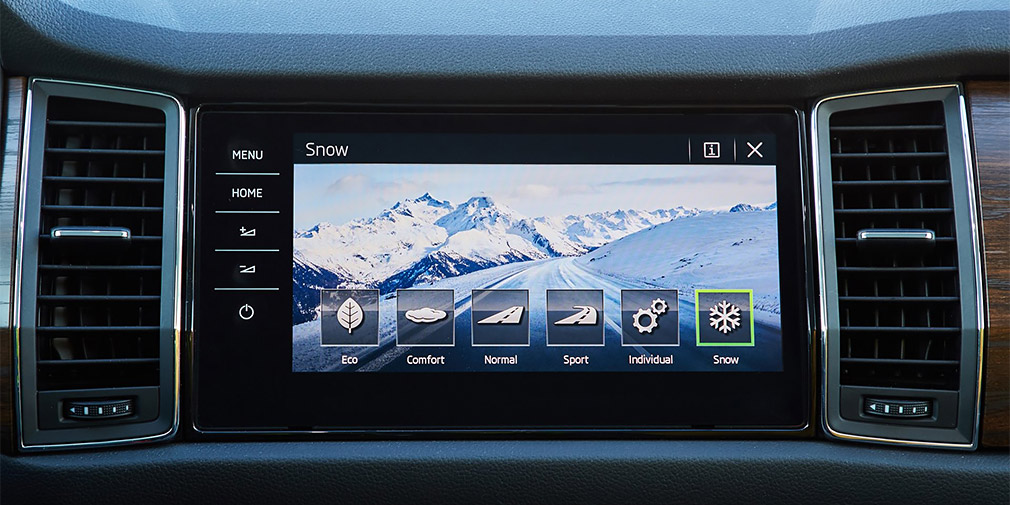
The electronic drive control takes the selected driving mode into account. In an economy mode, the rear axle stays out of the picture. Switch to sport mode, though, and more power goes to the rear axle, making the car more agile in corners. The system also understands off-road conditions: in the off-road mode, traction is either limited or, conversely, the vehicle is allowed to spin its wheels a little.
Stability control also joins in, helping to generate the yaw torque needed in corners. Behind the wheel, we usually don't notice how smoothly the electronics work together. But switch these systems off, and the car risks losing stability, especially on difficult roads and in bad weather.
Braking Gets No Special Treatment With AWD
All-wheel-drive cars accelerate confidently even on slippery roads and can power through snow drifts, but that is no reason for a driver to take reckless risks. The tire grip of an AWD car is the same as that of its two-wheel-drive sibling. You can accelerate quite well on a dangerous road, but you will have to stop under the same conditions. AWD lets you carry speed into slippery corners, but the key is not to lose control, or the risk of a crash goes up. And don't forget to change your tires to suit the season and the amount of wear.
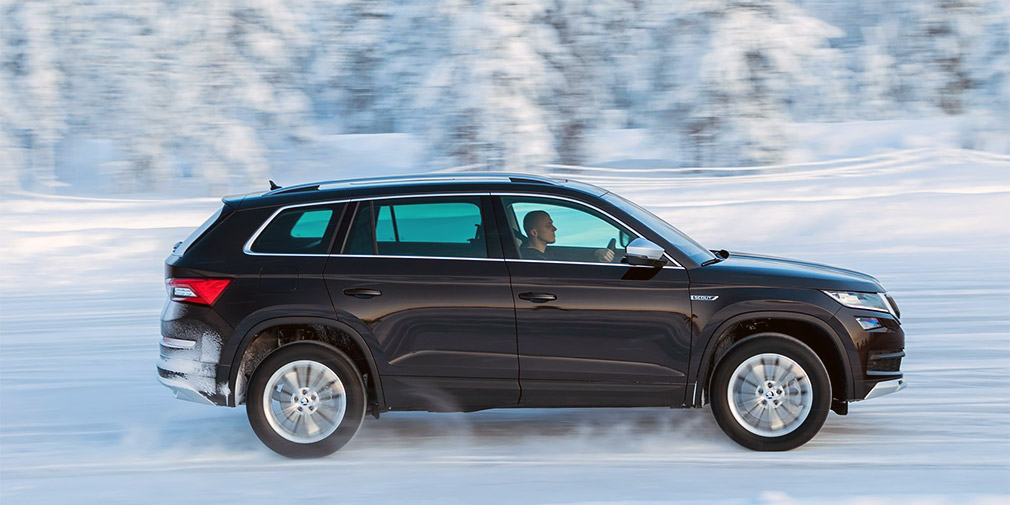
Sliding Sideways With AWD
If you move to an all-wheel-drive car, you will get used to it easily, even if you have only driven two-wheel-drive cars before. On a slippery road, you need to be extremely careful in any car, whatever the drivetrain, to get through a corner at speed.
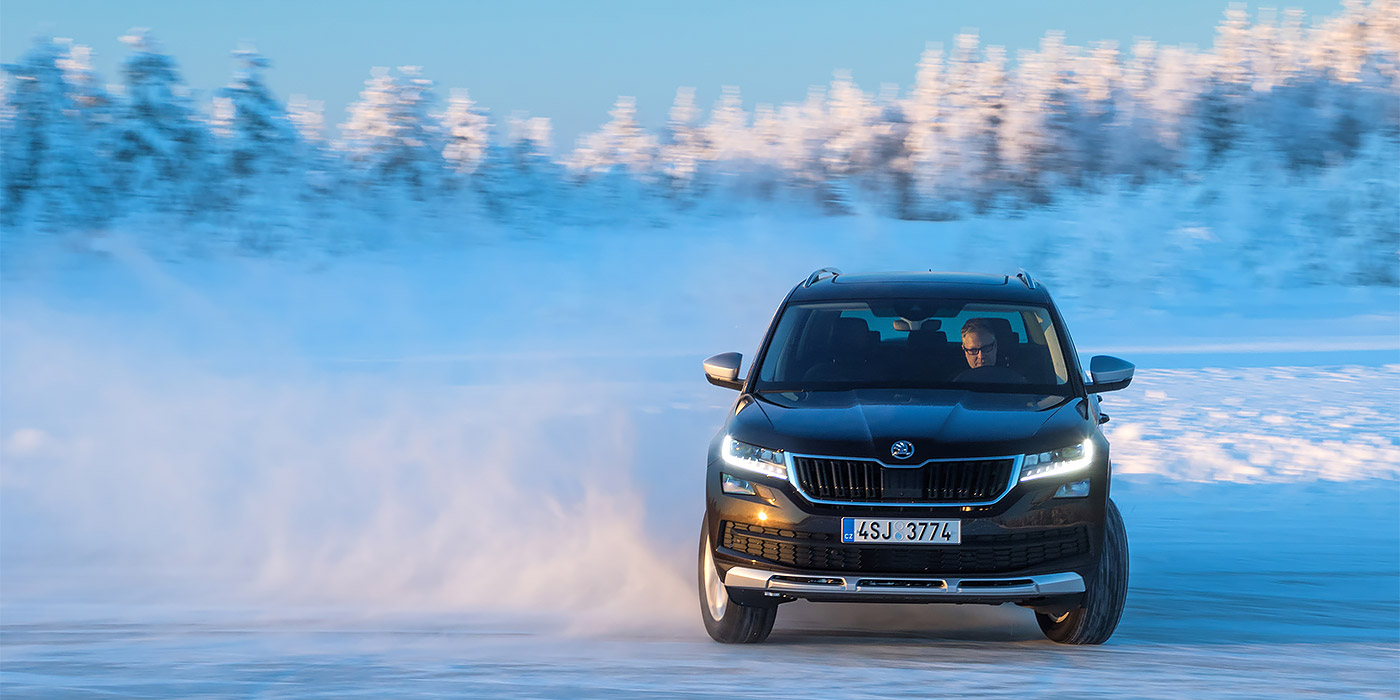
Most SUVs Are Only Two-Wheel Drive
Budget crossovers are usually not equipped with all-wheel drive. In the manufacturers' view, a two-wheel-drive version is enough. Indeed, on well-maintained city roads, all-wheel drive doesn't seem all that necessary. But if a heavy snowfall buries the city within hours and fills up the parking spaces, you can run into trouble. A driver counting on high ground clearance can get into a snowy spot, but getting back out is another matter. A two-wheel-drive SUV can easily get stuck, especially on roads outside the city.
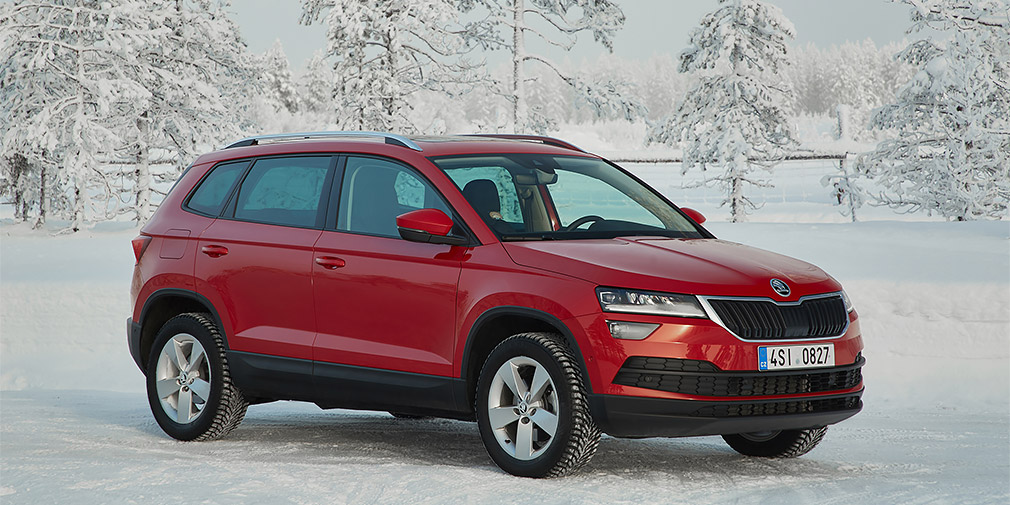
AWD Isn't Only for Cold Weather
On a wet road, the wheels of a two-wheel-drive car will spin. Sending all the power to a single axle doesn't make for a smooth ride. Acceleration comes in abrupt bursts, and the electronic controls keep reining the car in and cutting power to that axle.
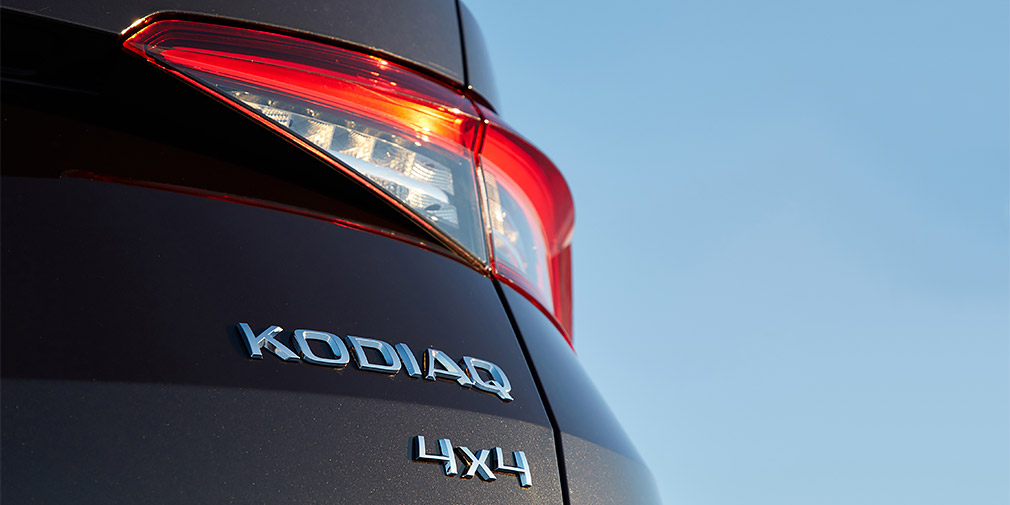
That is why higher-class models with engines making 200 horsepower or more come with all-wheel drive. It calms down jittery driving and makes the car more obedient, whatever maneuvers the driver has in mind.
Part-Time 4WD Is Almost a Thing of the Past
A rigid, driver-engaged system that locks both axles together is no longer fitted to modern passenger cars. It is heavy, bulky, and hard to operate, and it simply doesn't suit passenger cars.
What next