Car care & driving
What to Do If Your Brakes Fail While Driving
Autopapyrus
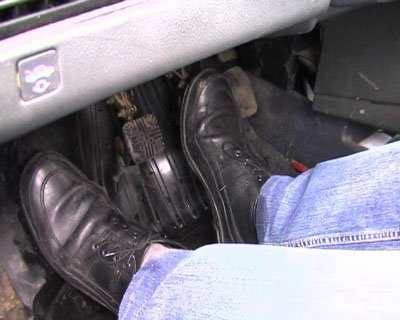
Brake failure is one of those situations that can make a new driver panic. A newly minted driver can usually handle the car with confidence only in familiar conditions, and any unexpected situation can cause panic.
So what should you do if your brakes fail, and what countermeasures can you take?
First of all, a car that won't slow down may simply have a sticking brake pedal. Be persistent here: sometimes you can fix the problem by pressing the pedal hard and repeatedly.
If that doesn't solve the problem, remember the parking brake (also called the handbrake or emergency brake). Normally it shouldn't be used for slowing down, since it's meant to hold the vehicle in place when stationary, but in this situation it is irreplaceable. Apply it by raising the lever smoothly. Otherwise the car may skid, and you'll have a second problem on top of the first.
You can also slow the car using the transmission. Almost everyone knows that shifting down from the highest gear to first will inevitably reduce the vehicle's speed, so why not use that. The method has one significant drawback: your speed will drop, but not as quickly as you'd like.
If the failure could lead to a collision and threatens your life, the best option is to turn off the ignition and shift to a lower gear. Use this method only in such circumstances, because it can damage the transmission.
Now that you've read these recommendations, you'll be able to handle an emergency like brake failure, and you'll watch Hollywood action movies, where this problem causes the crash, with a bit of a smile.
What next