Car care & driving
How to Drive Safely in the Rain
Autopapyrus
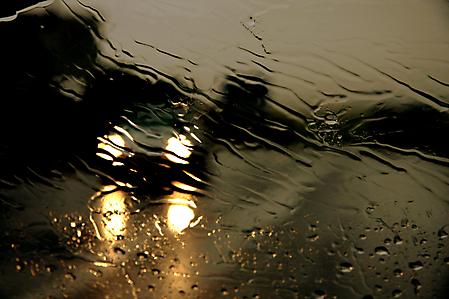
Not every driver, even an experienced one, knows how to behave on the road in rainy weather. That's not surprising: rain greatly reduces visibility and makes the road slippery, and high humidity causes the windows to fog up. In these conditions you need to be as attentive and focused as possible and follow the tips below. That way your car will stay safe and in one piece, and you won't have to rush to buy a repair manual for your Nissan or whatever other vehicle you own.
Microscopic particles of dust and dirt, along with engine oil, are present on your tires and on the road. When mixed with water, they form an excellent lubricant that sharply reduces tire grip. This can lead to an uncontrolled skid and a collision. After roughly 30 minutes, the water washes this film away completely and the danger passes. Life doesn't always allow you to follow this rule, but doing so keeps the driver and passengers safer.
In bad weather, keep your speed to about 60-70 km/h (37-43 mph) at most. It's also best to avoid sudden maneuvers in the rain, since traction drops significantly. This applies even to new tires, and worn tires are best not used at all in such weather. When buying new tires, look at ones with a directional tread pattern, which provide good grip even in the rain.
Rain greatly reduces visibility, so don't forget to turn on your parking lights or low beams. Fog lights are ideal in this situation, since rain is often accompanied by fog. Don't use high beams here: they cause glare and won't help you see.
For safety, leave more space between you and other vehicles in rain or fog. Also watch closely what the drivers ahead of you are doing; they can help you choose the right tactics. When a vehicle approaches from the opposite direction, make sure your wipers are on so the spray from its wheels doesn't ruin your visibility.
Though they look harmless, puddles can hide many dangers, such as deep potholes or open manholes. Driving through puddles at high speed can also let water into the ignition system or the engine, and then you'll definitely need the owner's manual for your make and model. Don't forget other drivers, either: splashes from puddles can hit their windshields and cause a dangerous situation. If you can't avoid a puddle, try to keep full control of the car and hold the steering wheel steady.
If the storm is raging and you don't have enough experience to drive safely in it, stop driving. Brake smoothly so other drivers have time to prepare for your move. Pull over onto the shoulder and be sure to turn on your hazard lights so you're visible from far away.
By following these recommendations, you can handle driving even in extreme conditions. The main thing is to judge your own abilities honestly. Safe travels!
Try not to set off during the first 30 minutes after the rain starts
Microscopic particles of dust and dirt, along with engine oil, are present on your tires and on the road. When mixed with water, they form an excellent lubricant that sharply reduces tire grip. This can lead to an uncontrolled skid and a collision. After roughly 30 minutes, the water washes this film away completely and the danger passes. Life doesn't always allow you to follow this rule, but doing so keeps the driver and passengers safer.
Slow down
In bad weather, keep your speed to about 60-70 km/h (37-43 mph) at most. It's also best to avoid sudden maneuvers in the rain, since traction drops significantly. This applies even to new tires, and worn tires are best not used at all in such weather. When buying new tires, look at ones with a directional tread pattern, which provide good grip even in the rain.
Always turn on your headlights
Rain greatly reduces visibility, so don't forget to turn on your parking lights or low beams. Fog lights are ideal in this situation, since rain is often accompanied by fog. Don't use high beams here: they cause glare and won't help you see.
Increase your following distance
For safety, leave more space between you and other vehicles in rain or fog. Also watch closely what the drivers ahead of you are doing; they can help you choose the right tactics. When a vehicle approaches from the opposite direction, make sure your wipers are on so the spray from its wheels doesn't ruin your visibility.
Pay special attention to puddles
Though they look harmless, puddles can hide many dangers, such as deep potholes or open manholes. Driving through puddles at high speed can also let water into the ignition system or the engine, and then you'll definitely need the owner's manual for your make and model. Don't forget other drivers, either: splashes from puddles can hit their windshields and cause a dangerous situation. If you can't avoid a puddle, try to keep full control of the car and hold the steering wheel steady.
Wait out heavy rain
If the storm is raging and you don't have enough experience to drive safely in it, stop driving. Brake smoothly so other drivers have time to prepare for your move. Pull over onto the shoulder and be sure to turn on your hazard lights so you're visible from far away.
By following these recommendations, you can handle driving even in extreme conditions. The main thing is to judge your own abilities honestly. Safe travels!
What next