Car care & driving
How to Save Gas: Practical Fuel-Saving Tips
Autopapyrus
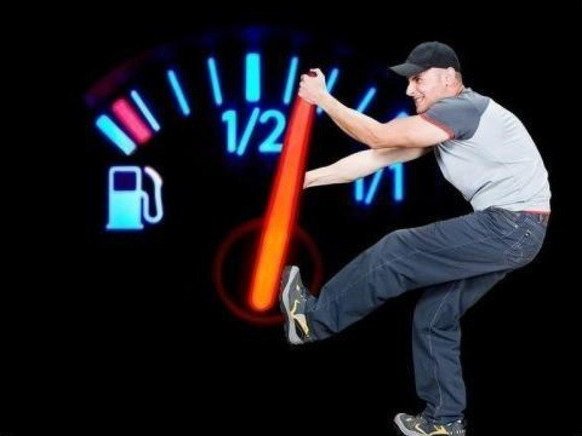
Gas prices are unstable, and unfortunately, when they change, it is usually upward. A big reason is that the natural resources gasoline is made from are finite and not renewable. Still, there are a few tips that can help you significantly reduce your fuel consumption and save money.
• First of all, keep your car in good shape. A well-maintained vehicle uses about the amount of fuel the manufacturer claims. A car in poor condition can burn far more. To stay on top of this, it helps to keep a repair manual for your car on hand.
• We often waste fuel when we could have gotten by with less. To avoid this, take a moment to plan your route now and then. It will show you where you can shorten the trip and, as a result, use less gas.
• The air conditioner uses a fair amount of fuel. It is a wonderful invention that rescues us in hot weather, but it also makes the engine burn more gas, so use it sparingly. To cool the cabin, you can switch the A/C on, and once the car is comfortable, switch it off.
• If you like driving at high speed, keep the windows closed. The reason is simple: open windows create extra aerodynamic drag, which increases fuel consumption.
• Check your tire pressure regularly. Don't overinflate the tires, either, since going too far can reduce fuel efficiency. Follow the pressure recommended on the placard in your driver's door jamb.
• A lot of gas is wasted sitting in traffic. When possible, plan your departure outside rush hour. Leaving an hour earlier or later is often enough to avoid congestion. If you get stuck in a long standstill, turn off the engine.
• Don't warm up your car for long. This applies mostly to newer models, which are designed to be driven right after a cold start. Just drive gently for the first few minutes.
• If you don't need to accelerate, don't drive at high speed. Besides saving fuel, it makes you safer.
• After braking, try to accelerate more gradually. You're not in a race, so there's no point in showing off what your car can do.
• Most cars run perfectly well on regular gasoline, so there's no need to fill up with the most expensive grade. If you're not sure which fuel your car needs, check the owner's manual, the fuel filler door, or ask a mechanic or other owners on a forum.
• If your wheels start to spin, don't raise the engine revs. Instead, try to move smoothly across the slippery surface.
• If you often give coworkers a ride, consider asking your passengers to split the fuel costs.
• Do you need to run to the nearest store? Is it really worth starting the car for that? A walk in the fresh air never hurts, and you can also take a bike.
• If you usually fill the whole tank at once, try to time your fill-ups for when prices dip slightly.
Cars of all makes are on the road, and each one may have its own fuel-saving tricks. Whatever you drive, a model-specific repair manual is a good way to learn what keeps it running efficiently.
What next