Car care & driving
Fuel Injector Maintenance for Gasoline Engines
Autopapyrus
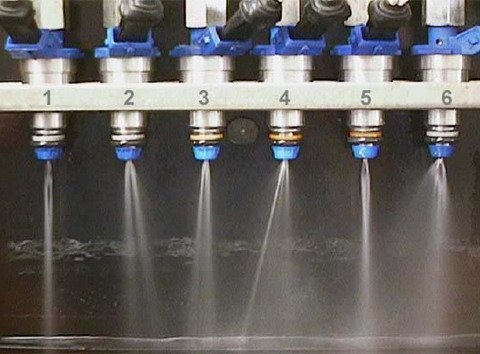
Most modern cars are equipped with a fuel injection system, and its main components are the injectors. Compared with a carburetor, fuel injection has several advantages. The main one is precise fuel metering, which saves a significant amount of fuel and makes the exhaust cleaner. To keep the system working efficiently, you need to keep an eye on the condition of the injectors. An injector is an electromagnetically controlled valve whose main job is to deliver a metered amount of fuel to the cylinders. There are two types of injectors: those for single-point (throttle body) injection and those for multi-point (port) injection. The engine control unit manages the injection system and the operation of the injectors.
How It Works
Fuel reaches the injector under pressure, which depends on how the engine is running. The control unit sends electrical pulses to the injector's solenoid, which operates a needle valve that opens and closes the injector's channel. The length of the pulse from the control unit determines how much fuel is sprayed. During mixture formation, the direction and shape of the fuel spray play a key role. These depend on the position and number of the spray holes.
Injector Markings, Types and Locations
A single-point injector is mounted ahead of the throttle valve and sprays fuel into the common intake passage. Its solenoid winding has low resistance (up to 5 ohms). Either one or two injectors may be installed (on some Hondas, for example).
A multi-point injector sprays fuel not into a common passage but into the intake port of each cylinder. These injectors sit near the cylinder head and have a high solenoid winding resistance of 12–16 ohms. On a number of modern cars, fuel is delivered by direct injection into the combustion chamber, and the injectors on these engines have a solenoid operating voltage of up to 100 V. Injector markings vary. They may show a name or brand, a catalog number or a serial number.
Causes and Symptoms of Injector Problems
Injectors have a big effect on how the engine runs. When they fail, the engine starts to lose power. Under increased load or at low rpm you may feel hesitation and jerking, and exhaust emissions rise. A common cause of trouble is injectors fouled with baked-on resins and deposits from the fuel, especially low-quality fuel. These deposits block the spray holes and keep the needle valve from sealing properly. When the fuel system as a whole is dirty, particles of sludge clog the injector filter and passages. To restore normal injector operation, they need to be cleaned.
Cleaning the Injectors
There are several ways to do it:
- Special fuel additives. This is the simplest method. It cleans not only the injectors but the whole system. Add the product to the fuel every 2,000–3,000 km (1,200–1,900 miles). It isn't suited to old, heavy deposits.
- A special cleaning rig, without removing the injectors. The fuel pump and the return line (the line that carries fuel back to the tank) are disconnected, and a tank of solvent is connected to the fuel rail of the injection system. The engine idles on the solvent for 15 minutes. Then it is shut off for another 15 minutes to let stubborn deposits loosen. After that it runs for 15 more minutes while the rpm is gradually raised to maximum. Finally the fuel pump and return line are reconnected, and the engine runs on gasoline for half an hour. This is done every 15,000–20,000 km (9,000–12,000 miles).
- Removing the injectors and cleaning them on an ultrasonic bench. This is a last resort.
To prevent fouling and keep the engine running well, avoid filling up at questionable gas stations and replace the fuel filter regularly.
What next