Car care & driving
Why Do You Need a Computer Diagnostic Scan?
Autopapyrus
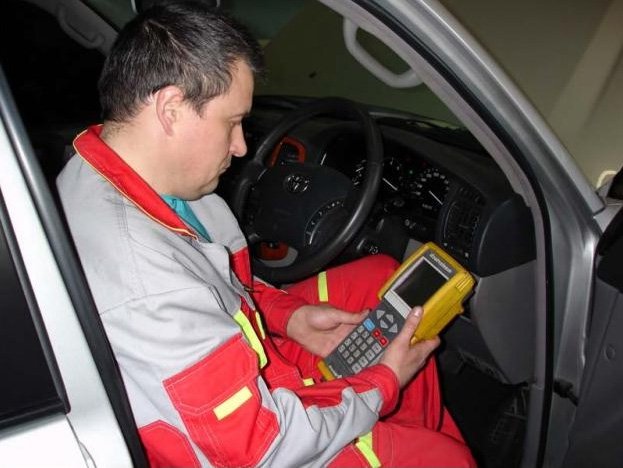
Today's cars use a huge number of systems for engine management, safety, and stability control. All of these features are there so you can enjoy comfort, safety, and flawless handling while you drive. That is why a computer diagnostic scan is the key to keeping your car safe in everyday use.
Modern cars are packed with electronics, and finding a fault the old way is quite difficult. In the past you could find a problem by the rule "a good knock will give itself away," but that trick no longer works, because electronic systems don't knock when they fail. The car simply won't start. Even if there is fuel and a good spark, it stays silent. To deal with the problem, you need special diagnostic equipment.
Many car owners make the mistake of running diagnostics only after something has already gone wrong. At that point, you have no choice but to do it. But what if it happens on a country road, 200 km (about 125 miles) from the nearest diagnostic shop? There is only one way out: pull out your phone and call a tow truck.
However, in 90% of cases you can avoid this problem by running diagnostics before the trip, which saves not only money but also your nerves. Most electronic faults can be detected with special equipment before they ever show up, and books on automotive electrical systems can help you with this.
Don't forget about the scheduled diagnostic checks recommended by the manufacturer, and don't skip them. Always run diagnostics if you are planning a long road trip in your car, especially if your route covers several hundred kilometers (miles) and there are no reliable repair shops nearby.
Auto repair specialists strongly recommend a full diagnostic scan of all vehicle systems at least once a year. By the way, if you suspect a problem with a particular component, you can check just that component instead of the whole car. You should also have the transmission, brake system, and suspension checked.
Incidentally, when buying a used car, be sure to arrange a computer diagnostic scan with the seller. This procedure will help you confirm that the car is in good working order, so you won't have to haul it in for repairs a month later, heaven forbid a major overhaul.
To sum up: electronics control your car's stability on the road, so a computer diagnostic scan will help keep them in good condition and spare you from unpleasant "surprises." As a result, you can have peace of mind for your passengers and yourself.
What next