Car care & driving
Getting Your Car Ready for Winter
Autopapyrus
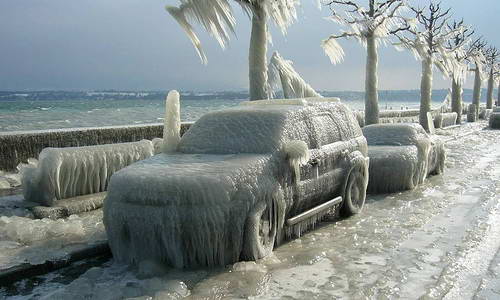
Winter is a wonderful time of year! Crisp frost and sunshine bring joy from the first minutes of the morning and charge you with energy. The trees are dressed in snow-white, silvery coats. Beautiful! But what's this? There's a commotion in the yard. Cars lined up in a row, or huddled together in a group, can't budge. Someone finally gets theirs started after a long struggle, while someone else gives up and hurries to the bus, hoping it will start tomorrow. Only a handful of cars start right away and proudly head off on their business. Their owners prepared their cars for winter driving in good time, so they have nothing to fear from even the hardest freezes. And every year it's the same story. Until the thunder strikes, meaning the deep cold, the average driver doesn't start preparing his trusty steed for the coming drop in temperature. And yet, what could be simpler? Take care of your car in time, and then you can drive calmly in any frost without fear of getting stuck on the spot. Then winter will be a pleasure rather than a natural disaster. And getting your beauty ready for winter isn't hard at all.
To avoid unpleasant surprises in winter, think about your car starting in the fall. A modern fuel-injected car handles cold weather easily, whether it's old or has just left the dealership. Its engine starts quickly and without trouble. But if instead of a contented engine growl you hear ominous silence or a series of clicks, the battery has reached the end of its life. A battery's service life is about 3 years, and sometimes it can last up to 5. So check your battery in the fall and replace it in time if necessary. This is most often the main reason a car won't start in hard freezes. The second possible cause is faulty wiring. If you haven't had the electrical system checked at a service center, do it now, or at least inspect it yourself.
The heart of the car is running, purring contentedly. Great! But don't rush off right away. Let the engine warm up well. Wait until the revs drop to the normal idle level. In that time the operating fluids will warm up to a suitable temperature. Only then can you set off with full confidence.
Say you have a powerful, brand-new fuel-injected car. You want to show off its power, and without waiting for it to warm up, you floor the pedal. It's your call, but you might as well phone for a tow truck right away. Your car will need a major overhaul, and not only the engine can suffer, but the automatic transmission as well. To get the transmission fluid warm, shift through all the gears forward and in reverse, or simply wait for a while with the car in "Drive." You can then start moving, but don't accelerate hard only to brake sharply afterward. That isn't good for the car, especially in winter. After about half an hour, all the fluids and mechanisms will be well warmed up, and that's when you can pick up speed.
To avoid unpleasant surprises on winter trips, especially long ones, switch to winter-grade oil in good time. Don't use unfamiliar gas stations. Don't take the risk! Fill up where you usually do and where you trust the quality of the fuel. In winter, keep the tank at least half full, because air in the tank hurts the fuel system (moisture condenses in it), and the less fuel you have, the more air there is. Besides, being stranded on an empty highway in freezing weather is, to put it mildly, not a pleasant experience. As for car washes in winter, it's best to skip them. Temperature swings quickly take a toll on the car's finish. It's -25 °C (-13 °F) outside and +22 °C (72 °F) in the wash bay, and then add the warm water that leaves its mark on the suspension and the brake system... There's no point in spelling out what happens; you can picture it yourself. Sometimes the result is more mundane: a door simply won't open because it's frozen shut. Is it worth the risk? That's up to you. Of course, driving a dirty car isn't great either, so you'll have to wash it eventually. But not often, once every 3-4 weeks, and pick a day with a milder temperature. After a frosty night, you may find you can't open the fuel filler door or, say, the trunk. De-icer fluids that promise to thaw frozen parts don't always really help. Most often the heavily advertised fluid itself turns into colorful ice crystals. What can you do? If you can't keep your car in a warm garage, warm it up in an underground parking garage if one is available nearby.
To sum up: prepare your car for winter driving in the fall. Visit a service center for a thorough diagnostic check. Have the shock absorbers and brake pads inspected. Will they make it through the winter, or is it better to replace them now? Make sure there are no coolant or brake fluid leaks. Replace the battery if needed. Refuel more often, and forget about the car wash for a month. And one last small tip: don't scrape frozen ice off the car body with a scraper, because you'll damage the paint and clear coat. Use the scraper only for its intended purpose, which is cleaning the glass.
Happy winter driving, and may your engine start on the first turn of the key!
What next