Car care & driving
Carbureted Cars: How to Extend Their Life
Autopapyrus
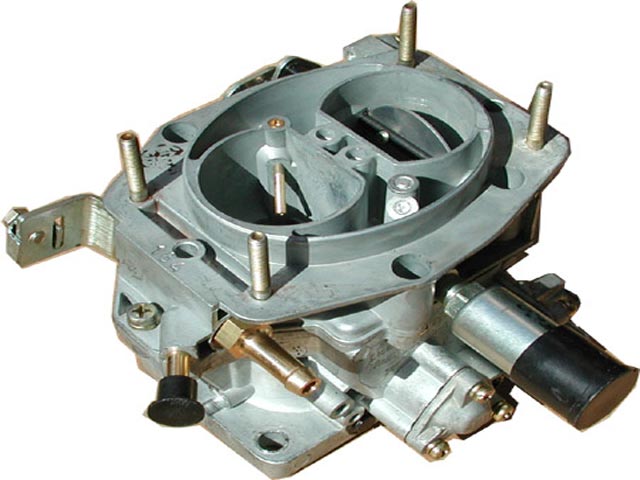
The carburetor is one of the most important parts of the engine in almost every car built before the 1980s. Its main job is to mix fuel and air in the optimal ratio and feed that mixture to the cylinders of the internal combustion engine. Today you can still see plenty of carbureted cars on the road. They are being steadily pushed out by modern fuel-injected models, but that doesn't mean older cars have finally had their day.
How can you tell if it's dirty?
How can you tell if it's dirty?
Like any part of the powertrain, a carburetor gets dirty over time, and that can lead to serious engine trouble. To avoid it, you need to clean out the dirt on a regular basis. In the vast majority of cases, poor-quality fuel is what causes the buildup. To judge how dirty your car's carburetor is, take a look at the spark plugs. Their color can tell you a lot about the fuel mixture. If they are grayish-brown, congratulations: your carburetor is clean and mixing fuel and air correctly. But if the plugs are very dark and sooty, or on the other hand an overly pale gray, that's cause for concern.
A very dark color means there is too much fuel in the mixture, while a very light one means there is too much air. Of course, you can also inspect the carburetor itself. Do you see rust, carbon deposits, or other contamination? If so, you can be sure the unit needs cleaning.
A very dark color means there is too much fuel in the mixture, while a very light one means there is too much air. Of course, you can also inspect the carburetor itself. Do you see rust, carbon deposits, or other contamination? If so, you can be sure the unit needs cleaning.
How do you clean a carburetor?
For a job like this, the best helper is a repair manual for your carburetor. It describes the sequence of steps in detail and lists the tools you'll need. But if you don't have one handy, this article should help.
If you decide to clean your car's carburetor yourself, you will need clean lint-free rags, a dedicated carburetor cleaner, a can of compressed air, thin sticks or toothpicks, and of course screwdrivers and wrenches in the right sizes.
Before you start, take proper safety precautions for working with strong solvents: wear thick rubber gloves, safety glasses, and clothes you don't mind getting dirty.
When choosing a cleaner, use only products made specifically for this purpose, such as those sold at auto parts stores.
Following your manual's instructions, remove the carburetor and disassemble it so you can clean every component. Do this in a well-ventilated area. Keep the cleaner off rubber and plastic parts, since it can warp them. Place the metal parts in a glass container, cover them with the cleaner, and let them soak. Rinse the cleaner off these parts under running water, using a small brush or toothpicks. Never poke at small passages, because they are very easy to damage. Use aerosol cleaner or compressed air to clear them.
Once all the carburetor parts are clean, dry them thoroughly and reassemble them according to the manual. Keep in mind that a freshly cleaned carburetor will need to be readjusted.
To minimize the risk of the carburetor getting dirty again, replace the air filter and fuel filter every time you change the spark plugs.
What next