Car care & driving
How to Fix a Hole in Your Gas Tank Yourself
Autopapyrus
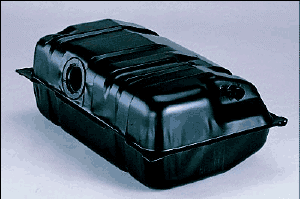
A hole or leak in the gas tank can happen to any driver, and usually at the worst possible moment. No one is immune to emergencies on the road, so it pays to get familiar with your vehicle's repair and owner's manual ahead of time, so you aren't frantically flipping through it trying to find the right information when something goes wrong. If you don't have a manual, this article will help.
As the name suggests, a car's fuel tank is a container for storing and carrying the fuel that powers the internal combustion engine. In production passenger cars, it is usually located at the rear of the body, under the floor of the vehicle. Special-purpose vehicles may place the tank elsewhere (for example, behind a dedicated partition behind the seats).
Whatever the make of your car, the tank is generally sized so that a full tank of gas will last for about 500 km (roughly 310 miles) of driving. Keep in mind that fuel tanks are well sealed from outside air, and they are vented through the evaporative emissions control system, which captures fuel vapors.
Obviously, once a fuel tank starts leaking, gasoline will begin to escape. The fuel then comes into contact with the air, evaporates, and its vapors can seep into the cabin. Everyone inside notices a sharp, unpleasant smell, and breathing it for too long can cause poisoning. On top of that, gasoline is flammable and its vapors are explosive, so a fuel leak turns an otherwise harmless car into a hazard to you and to other vehicles on the road. Finally, the most "harmless" but still annoying problem is higher fuel consumption caused by the leak, which means you spend more money.
The most common types of fuel tank damage are dents, cracks, and punctures. If a car sits unused for too long, rust can develop, which can cause fuel to leak and weaken the tank's internal baffles. All of these problems can be fixed by soldering or welding. Keep in mind that welding demands extreme caution and strict adherence to safety rules. Welding work begins by removing fuel vapors from the empty tank and washing it out thoroughly. Small cracks in the tank can easily be sealed with ordinary epoxy. However, emergencies often happen far from a repair shop, without the right materials and tools on hand. To find out what to do in that case, read on.
If the hole in the tank wall is easy to spot, fixing it is simple. Use a method that drivers have relied on for a long time. Find a bolt whose size best matches the diameter of the hole. Once you have a good fit, cut a rubber gasket from an old inner tube and find a washer that matches the bolt.
Once the prep work is done, insert the bolt into the hole from the inside of the tank, using the washer and the rubber gasket as well. Naturally, before you start, you must drain the gasoline from the tank. If the patch is made carefully and correctly, it can last long enough for you to reach the nearest repair shop and have the problem fixed properly.
If you plan to use this method, remember that the rubber must be resistant to gasoline. Otherwise, your carefully made gasket will dissolve within minutes and all your work will be wasted. If the hole is very small, or if it is just a crack, it makes sense to use "cold weld" epoxy, another well-known fix. Take a container of epoxy adhesive, which is sold at nearly every auto parts store. Clean the metal around the hole until it is bright, using ordinary sandpaper, then mix the epoxy with the hardener, following the instructions closely.
Apply the mixture to a clean rag, then press it firmly against the damaged area of the tank. If you can't find epoxy, you can use ordinary contact cement instead. The repair procedure is the same.
As you read, you've probably wondered what to do if you have none of these items when the problem strikes, and the nearest parts store or repair shop is far away. There is a solution for that, too. All you need is a plastic container (a jerry can or a bottle), which you fill with the fuel leaking from the tank.
Once the container is full, secure it firmly under the hood of your car. Make sure it is positioned as far as possible from hot engine components and from the cooling system. Then put the fuel line from the fuel pump into the container and start the engine. Of course, this method is neither neat nor elegant, but this makeshift "gas tank" will let you reach the nearest repair shop or parts store relatively safely, where you can solve the problem in a more civilized way.
For more useful information, get a repair manual and an owner's manual for your make of car, whether it's an Isuzu, a Chevrolet, or any other brand. They will help you quickly solve any problems that come up with your vehicle.
How Is a Typical Gas Tank Built?
As the name suggests, a car's fuel tank is a container for storing and carrying the fuel that powers the internal combustion engine. In production passenger cars, it is usually located at the rear of the body, under the floor of the vehicle. Special-purpose vehicles may place the tank elsewhere (for example, behind a dedicated partition behind the seats).
Whatever the make of your car, the tank is generally sized so that a full tank of gas will last for about 500 km (roughly 310 miles) of driving. Keep in mind that fuel tanks are well sealed from outside air, and they are vented through the evaporative emissions control system, which captures fuel vapors.
What Problems Can a Leaking Gas Tank Cause?
Obviously, once a fuel tank starts leaking, gasoline will begin to escape. The fuel then comes into contact with the air, evaporates, and its vapors can seep into the cabin. Everyone inside notices a sharp, unpleasant smell, and breathing it for too long can cause poisoning. On top of that, gasoline is flammable and its vapors are explosive, so a fuel leak turns an otherwise harmless car into a hazard to you and to other vehicles on the road. Finally, the most "harmless" but still annoying problem is higher fuel consumption caused by the leak, which means you spend more money.
What Kinds of Fuel Tank Damage Are There, and How Do You Fix Them?
The most common types of fuel tank damage are dents, cracks, and punctures. If a car sits unused for too long, rust can develop, which can cause fuel to leak and weaken the tank's internal baffles. All of these problems can be fixed by soldering or welding. Keep in mind that welding demands extreme caution and strict adherence to safety rules. Welding work begins by removing fuel vapors from the empty tank and washing it out thoroughly. Small cracks in the tank can easily be sealed with ordinary epoxy. However, emergencies often happen far from a repair shop, without the right materials and tools on hand. To find out what to do in that case, read on.
How Can You Fix a Hole in a Fuel Tank on Your Own?
If the hole in the tank wall is easy to spot, fixing it is simple. Use a method that drivers have relied on for a long time. Find a bolt whose size best matches the diameter of the hole. Once you have a good fit, cut a rubber gasket from an old inner tube and find a washer that matches the bolt.
Once the prep work is done, insert the bolt into the hole from the inside of the tank, using the washer and the rubber gasket as well. Naturally, before you start, you must drain the gasoline from the tank. If the patch is made carefully and correctly, it can last long enough for you to reach the nearest repair shop and have the problem fixed properly.
If you plan to use this method, remember that the rubber must be resistant to gasoline. Otherwise, your carefully made gasket will dissolve within minutes and all your work will be wasted. If the hole is very small, or if it is just a crack, it makes sense to use "cold weld" epoxy, another well-known fix. Take a container of epoxy adhesive, which is sold at nearly every auto parts store. Clean the metal around the hole until it is bright, using ordinary sandpaper, then mix the epoxy with the hardener, following the instructions closely.
Apply the mixture to a clean rag, then press it firmly against the damaged area of the tank. If you can't find epoxy, you can use ordinary contact cement instead. The repair procedure is the same.
As you read, you've probably wondered what to do if you have none of these items when the problem strikes, and the nearest parts store or repair shop is far away. There is a solution for that, too. All you need is a plastic container (a jerry can or a bottle), which you fill with the fuel leaking from the tank.
Once the container is full, secure it firmly under the hood of your car. Make sure it is positioned as far as possible from hot engine components and from the cooling system. Then put the fuel line from the fuel pump into the container and start the engine. Of course, this method is neither neat nor elegant, but this makeshift "gas tank" will let you reach the nearest repair shop or parts store relatively safely, where you can solve the problem in a more civilized way.
For more useful information, get a repair manual and an owner's manual for your make of car, whether it's an Isuzu, a Chevrolet, or any other brand. They will help you quickly solve any problems that come up with your vehicle.
What next