Car care & driving
How to Drive a Manual Transmission Car: Tips for Beginners
Autopapyrus
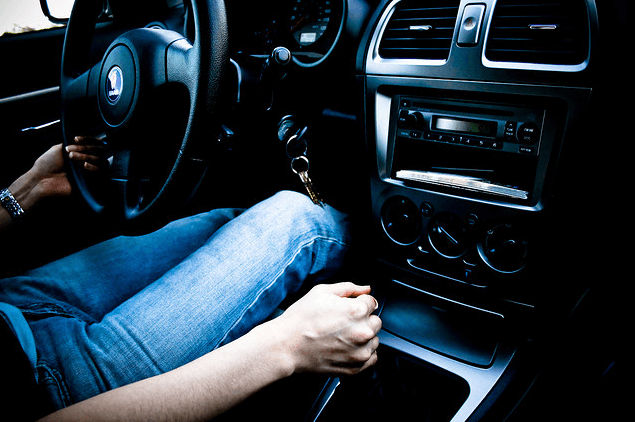
Driving a manual car is, first of all, about precise, coordinated movements of your feet and hands. At first it may seem a bit intimidating and complicated, but even a little practice is enough to make shifting gears feel natural. In this article, we'll share a few tips for beginners.
Let's start with the gas, clutch and brake pedals. The clutch pedal is on the left, and you press it with your left foot. The brake pedal is in the middle, and you always press it with your right foot. The gas pedal is on the right, and it's also pressed with your right foot.
Next, let's get familiar with the shifting system itself. Most cars have a diagram showing the shift pattern, usually on the shifter knob. Here we'll describe the most common pattern. When the shift lever sits in the center, the transmission is in neutral. From neutral, you can move the lever into any other position. In most cars, first gear is engaged by moving the lever from neutral to the left and forward. Shifts into the other gears also pass through neutral. In addition, you must press the clutch pedal in and hold it down while shifting. Never shift gears without pressing the clutch first.
Now let's go through the sequence of actions when driving a manual.
1. Before starting a manual car, always make sure the shift lever is in neutral. To check, press the clutch pedal with your left foot, start the engine, and check the position of the shift lever.
2. To engage first gear, press the clutch pedal all the way down with your left foot and, while holding it there, move the lever into first gear.
3. Now comes the hardest part. To get the car moving, you need to release the clutch pedal very slowly while pressing the gas pedal with your right foot, just as slowly. At this moment two moving mechanisms are brought together: as you release the clutch pedal, the clutch plate engages the engine with the transmission, and the gas pedal supplies the power that sets the whole system in motion. Conversely, pressing the clutch pedal disconnects them. If you release the clutch too quickly, the drivetrain will engage abruptly: the engine will either stall or the car will lurch forward. If you give too much gas before the clutch engages, the engine may simply roar and rev high, which doesn't do any good either. The clutch engages differently depending on the position of the pedal. The clutch pedal travel varies from car to car, either long or quite short. It can take quite a while to get used to the quirks of a particular car, so in the beginning, until you're fully used to it, take your time when shifting. Engaging reverse also depends on the design of the particular car. In general, with a five-speed gearbox, reverse is engaged by moving the lever to the right and back. The pedal work is the same as described above. One special case is when the car is on a hill. If you press the clutch and take your foot off the brake pedal, the car will roll downhill. It won't roll back very far if you shift quickly enough. But on a steep slope with other cars behind you, it's better to use the parking brake. Once you've engaged the gear, release the parking brake and pull away.
4. Sooner or later while driving, you'll need to shift up. You can tell when to shift into second gear in two ways. First, the tachometer may show about 3,000 rpm. Second, an engine that is straining and roaring also tells you it's time to shift. To shift, press the clutch pedal and move the lever into the second-gear position while holding the clutch down. Then make sure the lever is firmly seated in that position, and only then release the clutch pedal while adding gas, as described earlier.
5. Shifting into the remaining gears works the same way. As a rule of thumb, the highest gear, fifth, is engaged when the car is traveling at 80 km/h (50 mph) or more.
6. To slow down, you shift in the reverse order. You must downshift, otherwise you risk stalling the engine. The sequence of actions is the same: press the clutch, shift to a lower gear, release the clutch pedal. You may not need to use the gas when slowing down. Also, you shouldn't shift, for example, from fifth gear straight to second, because this can overload the transmission, the car slows too abruptly, and the engine wears out faster. There is another way to slow down smoothly: shift into neutral by pressing the clutch, moving the lever to neutral and releasing the clutch. In neutral, the car will coast freely and slow down. You can also slow down or stop completely using the brake pedal. When the car is stopped, you can leave the lever in neutral or put it in gear. However, always brake with the clutch pressed in or the car in neutral, otherwise the engine will stall once the car comes to a stop.
What next