Car care & driving
Hybrid Cars: Pros and Cons
Autopapyrus
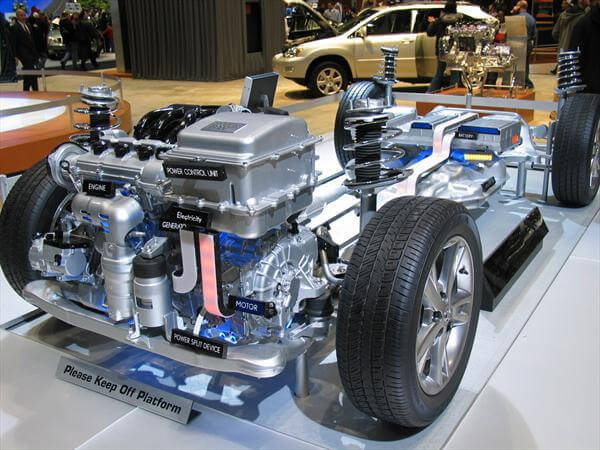
The problems of modern ecology have never left thoughtful inventors indifferent, and automakers are also looking to the future. After years of work on environmentally friendly transportation, a number of systems with significantly reduced emissions have been developed. One of the most effective solutions to environmental problems is installing a hybrid powertrain in a vehicle. This approach combines a minimal share of harmful emissions with an efficient power unit.
First, let's look at what a hybrid powertrain is. A hybrid is a power unit that combines two or more methods of producing mechanical energy. Although such systems appeared relatively recently, there are already several ways this idea has been put into practice.
There are three main types of hybrid powertrains:
The first – a setup where the internal combustion engine is used only to recharge the car's powerful, high-capacity batteries (a series hybrid). This system is economical and clean, but you won't get much speed out of it. Keep in mind, though, that people buy a hybrid for calm, everyday driving.
The second, also widespread, can run on either the electric motor or the gasoline engine. A special device switches one off and the other on. This can happen automatically or at the driver's command. The system has fairly high power and is practically on par with conventional cars.
The third, a more exotic system, also has two engines, connected to two different axles, so they can work together, thanks to a special synchronizing device, or separately.
In every version, the batteries for the electric drive are charged while the gasoline engine is running. Even after the gas tank runs dry, the car can still cover a fairly impressive distance.
Technology is constantly evolving, as we can see from the machines people use every day. Hybrid powertrains are gradually pushing out their more primitive counterparts. The benefits are obvious: two problems are solved at once – saving on fuel and preserving natural resources.
So, from all of the above, there are 3 main advantages:
1. Fuel savings.
2. Eco-friendliness.
3. Running out of gas isn't a disaster: you can reach a gas station on the electric motor.
The main drawbacks today are:
1. Price. Hybrid cars are still more expensive than their gasoline or diesel counterparts.
2. Service mostly at authorized dealers. Unfortunately, only a small number of independent repair shops can currently service hybrid cars.
What next