Car care & driving
How to Clear Snow Off Your Car
Autopapyrus
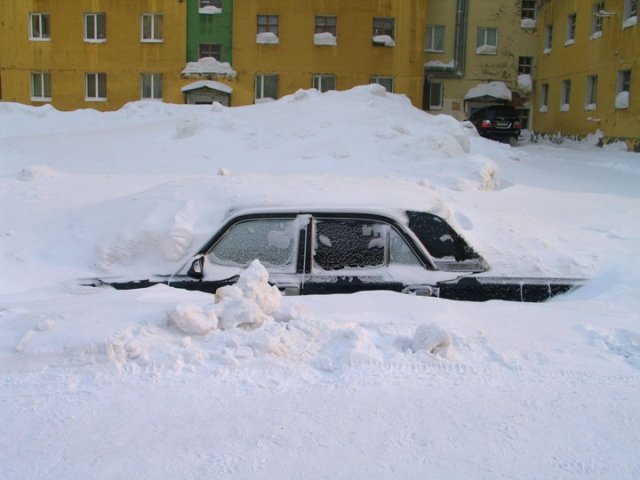
Your owner's manual is certainly a very important book, but you're unlikely to find any advice in it on how to properly clear accumulated snow and ice off your car. Yet every driver who has to get through the winter months in snowy climates should know this. In this article, we'll cover the topic.
First, it's worth mentioning that some people think cleaning snow off a car is pointless. The statistics say otherwise: most winter accidents happen within the first 3 miles (5 km) of a trip. The main cause is snow left on the roof that slides off while driving, blocking the view of the driver and of the cars behind. If you don't want to end up in a similar situation, read on. The order of digging out
Start by turning on the engine. Keep in mind that you shouldn't switch on the windshield defroster while snow is still sitting on the glass and on the climate system's air intakes. If you forget this rule, snow can get into the ductwork and make it harder to heat the cabin. Also, don't pour hot water over your car to speed up thawing. Sudden temperature swings can crack paint, clear coat, plastic, and even glass. While the snow on the windshield melts, you can get a head start on the roof. Work toward the trunk and to the sides, using a special brush with a long telescoping handle. Be sure to clear snow out of the door openings, so that it doesn't melt and make the doors hard to open. Don't skip the hood and trunk lid either, because snow can blow or slide off them while you're driving and cause an accident. Uncleared side windows are another frequent culprit, since they badly reduce your visibility.
Choosing a Brush
This is your main tool for removing snow and ice from your car, so choose it carefully. It shouldn't be stiff, because hard bristles can damage the paint. The ideal choice is a brush with split (flagged) tips, which leave practically no scratches. Even with a brush like that, don't press too hard, and always brush in one direction only.
Auto parts stores sell brushes with built-in scrapers that are gentle on the finish, as well as telescoping brushes with a pivoting head. If you choose the second type, make sure the handle is long and sturdy enough. Otherwise, you risk bending or even breaking it when there's a lot of snow.
Auto parts stores sell brushes with built-in scrapers that are gentle on the finish, as well as telescoping brushes with a pivoting head. If you choose the second type, make sure the handle is long and sturdy enough. Otherwise, you risk bending or even breaking it when there's a lot of snow.
Special Products That Help
Today, stores offer a wide range of products that make the morning cleanup much easier. These include heated mittens, scrapers, and brushes, washer fluid rated for freezing temperatures, synthetic cloths and sponges, and de-icer sprays for frozen locks. With them, you can significantly cut the time and effort you spend each day.
Useful Tips
• If it's snowing, it's best to lift the wipers off the glass so they don't freeze to the windshield. This method does have a drawback, though: cars with raised wipers can attract vandals. If you want to keep your property intact, you can simply take the wipers inside with you each day.
• Always clear snow out of your wheels. Alloy wheels, for example, have few spokes, so snow often packs into the brake calipers. If the snow melts and then turns to ice while the car is parked, the brake pads can freeze to the rotors or the calipers. In the first case, the wheels simply won't turn. The second is far more dangerous, because the brakes can fail, even at full speed.
• Clean your headlights thoroughly. They need to be cleared of snow perhaps more than any other part of the car. Headlights heat up when switched on, and the change in temperature can cause them to crack. In addition, ice on the headlights reduces light output and hurts visibility.
• Don't turn on the rear defogger until the rear window is completely cleared. Meltwater can seep into the seals and damage them when it refreezes.
• Remove the ice crust from your windows only with de-icer. Car glass is far less tough than it seems, and brushes and scrapers can easily leave scratches that will reduce your visibility.
You now have some useful information that you won't find in any owner's manual. Putting these tips into practice should help keep your car safe and clear all winter long.
What next