Car care & driving
Diesel vs. Gasoline Engines: How to Choose the Right Engine for Your Car
Autopapyrus
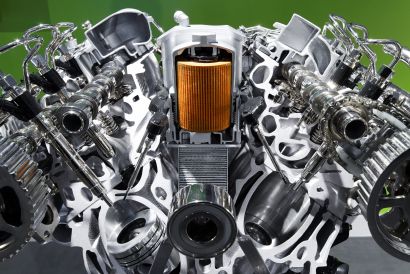
In today's world, owning a car is no longer a luxury. Most of us face the question of which car to buy at some point, and the first thing future owners usually ask is which type of engine to choose. Which is better: gasoline or diesel?
Each of these powerplants has its own distinct characteristics. Both diesel and gasoline engines have advantages and drawbacks. To make the right choice, you need to understand under what conditions it makes more sense to buy a car with one type of engine or the other. So let's break it down.
Overall, a diesel engine is more economical than its gasoline counterpart. First, a diesel engine on its own burns less fuel. Second, diesel fuel is often cheaper per unit of energy delivered, so you get more distance out of every tank. When choosing an engine, think about what you want from your car: if you value quick acceleration and responsiveness, go with a gasoline engine; if you need pulling power, choose a diesel. When comparing new cars, the difference is not that big. Still, a diesel engine always falls short of a gasoline engine in power output. The gap is only partly offset by the diesel's even pull at almost any rpm, with its maximum torque arriving as early as 2,000-3,000 rpm. So it's safe to say a diesel engine is best suited to low and medium revs. Don't wring a diesel out to its limit, either, since that leads to rapid wear.
A car with a diesel engine typically costs 20-30% more than the same make and model with a gasoline engine. A diesel is generally considered to pay for itself at mileages above 150,000 km (about 93,000 miles), so if you don't plan to cover that distance within the next few years, a gasoline engine is the better pick.
One advantage of the diesel engine is that it is more durable and cheaper to run. Owners of diesel cars are therefore less likely to need a repair shop or a diesel engine repair manual to fix a breakdown themselves. However, diesel parts and servicing cost considerably more. The engine's longevity comes from a crankshaft and cylinder block that are sturdier than those of a gasoline engine. It also matters that diesel fuel itself acts as a lubricant, which helps protect the car's components from wear.
Diesel engines are also considered more environmentally friendly than gasoline ones, although on some models the difference is barely noticeable. On an older car, a diesel can prove unreliable in very low temperatures, because diesel fuel thickens in severe cold and the engine can easily stall. Newer cars already account for this, so even in harsh conditions modern diesels are every bit as good as gasoline engines. The key is to fill the tank only with quality, season-appropriate diesel fuel, and never to drive in cold weather on summer-grade diesel.
We hope the points covered here help you decide which type of engine is right for your next car. Of course, it's impossible to cover every nuance, especially since a lot depends on the specific model, so we have tried to highlight only the most obvious advantages and drawbacks of each type. Once you have made your choice, it's worth getting a repair manual for your gasoline engine or its diesel counterpart, so you can stay alert and head off a possible breakdown in time.
What next