Car care & driving
How to Properly Care for Your Engine
Autopapyrus
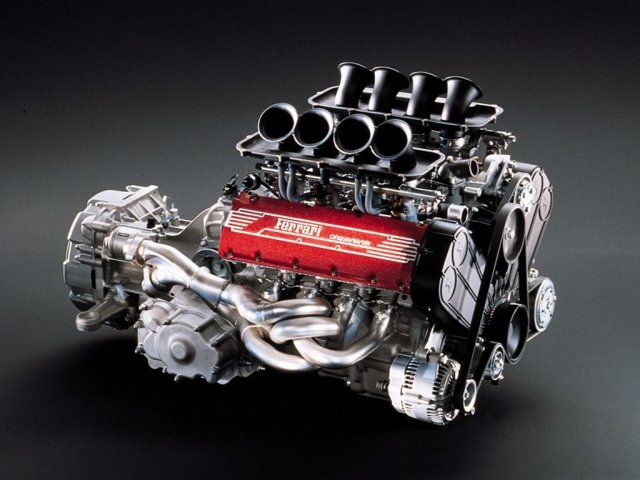
Smart Engine Care
Winter is finally over, and it's time for spring car maintenance. For many drivers, "car maintenance" goes no further than changing the engine oil or the filter. Even these small jobs need to be done carefully and with some know-how. This article will help you take care of your engine properly, whether you're an experienced driver or a beginner.
About Oil Extraction Machines
Some service shops, especially those focused on fluids and consumables, have special machines that pump out used oil. If you want to flush your engine this way, there are a number of things to consider. The idea of using such a machine is a good one, but, as with anything, the way it works has pros and cons. The machine is connected at the oil filter port instead of the oil filter. That's because the whole process runs through the machine rather than the filter. The filter isn't needed, since the machine has its own filter that cleans out the finer particles. So where are the downsides? After flushing a heavily used diesel engine with very dirty, black oil, the whole machine turns black, and its internal parts become black too. The next car to be flushed may end up contaminated with soot that you then can't get out by any means. Unfortunately, soot can't be removed, and no filter will trap it.
Researchers in Japan have developed a new device: a filter that cleans by volume rather than across a flat surface. It isn't particularly expensive, at around 100 US dollars. What's the advantage? While the engine is being cleaned, you can check the operating oil pressure, the speed of the oil flow into the engine, and much more.
About Engine Oil Life
These machines can remove up to 90% of the used oil from your engine. Does your engine need that kind of cleaning? Some argue that you should never drain the oil completely! The key is to change and use oil correctly, and then the leftover oil is perfectly fine and natural to have. If you count fresh oil as 100% of its life, a proper oil change usually removes oil that has used up about 50%. That means the remaining oil will keep the engine running for about as long again.
All technical guidelines for changing fluids and servicing a car are based on this 50% figure. Why 50%? Because every driver uses their car differently. One driver prefers a sporty driving style and takes the car off-road and uphill. The mileage may be low, but he'll use up the oil in five, maybe ten thousand kilometers (3,000 to 6,000 miles). Another drives long highway routes. The work is steady, and the load on the engine is light but constant. On long trips like that, the oil can easily last up to 50,000 kilometers (about 30,000 miles). Experienced mechanics usually advise changing the oil based on how much it has been used, not on the odometer reading. Take city driving as an example. To get power, we have to burn extra fuel. The more you accelerate hard, the faster fuel is consumed, and so the oil needs to be changed more often. Outside the city the situation is quite different, and it's easier on both oil and fuel.
About Running an Engine Dry
Many drivers crank the crankshaft after draining the used oil. This is strictly forbidden. Think about how the pistons would move in the cylinders of a dry engine! Cranking the shaft needlessly dries out the oil pump as well. When you pour in new oil and start the engine, it takes about half a minute for the oil to reach the oil gallery and fill it, and during that time the engine runs dry. There have been cases where air got into the system during this time, and within just 10 seconds the engine failed and had to be replaced.
About Flushing the Engine
Flushing an engine with diesel fuel belongs to the same topic. Some older folks are convinced there's no better flushing fluid than diesel mixed with oil. That's nonsense! To keep working surfaces from wearing out, you need what's called an oil wedge (a hydrodynamic oil film). Diesel fuel is practically no different from water, so it doesn't reduce friction. Drivers report that after a diesel flush, they start having trouble starting the engine. The starter can't turn the crankshaft. Of course, it will turn eventually, but it puts a very heavy load on engine parts. After a few such flushes, engine rebuilders will be happy to help you. So it's better to leave some of the old oil in place, for the good of your car and your wallet.
If you don't change your oil regularly and think the engine is clogged with sludge, it's better not to hold back and flush the engine with used oil, or, if you don't have any, with fresh oil. After flushing, drive a few thousand kilometers and check that the oil has darkened and thickened. If it has, you can safely change the oil. If it hasn't, you should repeat the procedure right away and flush the engine with fresh oil again. Keep going until the result is as described above. Cleaning an engine from the inside is almost impossible in practice. Once coke deposits have formed, nothing you flush with will help, and you'll only damage your engine.
Flushing oil can only remove the light fractions, such as paraffin and petroleum jelly, leaving behind a skeleton of sludge. A small piece of that skeleton, no more than two millimeters (about 0.08 in), can break off and travel into an oil passage. And if it doesn't clear? It will block the oil supply and the shaft will seize. That's an unexpected repair bill. It's better not to cut corners: buy good oil and don't put off changing it, rather than feeding the mechanics.
If you plan to change the oil in your car yourself, don't forget to consult a good repair manual for your vehicle.
What next