Car care & driving
Cooking in Your Car: Which Devices Should You Use?
Autopapyrus
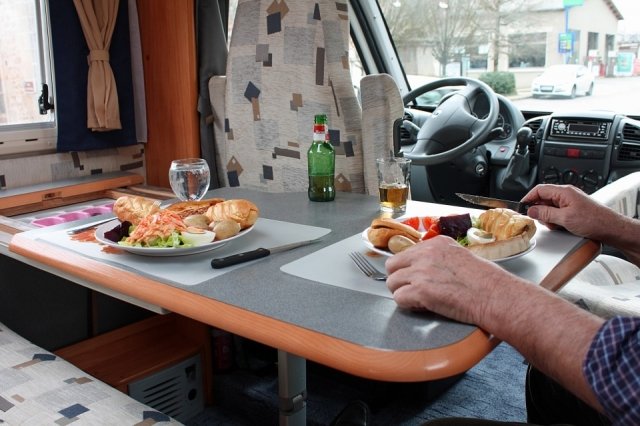
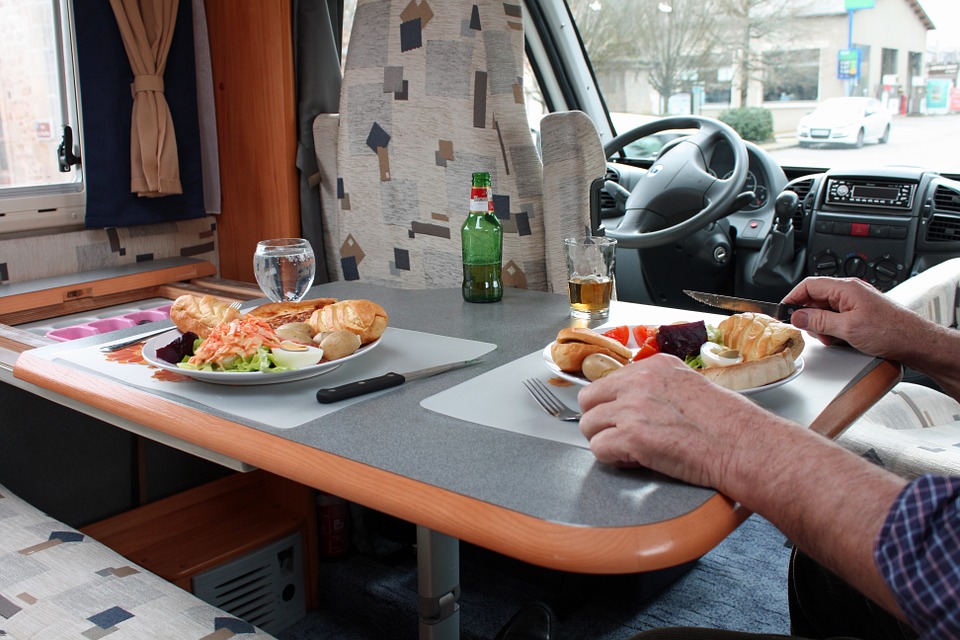
A long-awaited break on a tiring drive is a great chance to refuel without leaving the car. Hot coffee and a hearty sandwich packed for the road lift your mood and give you energy for whatever comes next. Food gets harder when a trip lasts several days and you don't want to eat at questionable roadside diners. In that case, the traveler has no choice but to cook right in the cabin. Various devices are made for this, and they draw power from your vehicle's electrical system. Essentially, they are household appliances designed for use in a car.
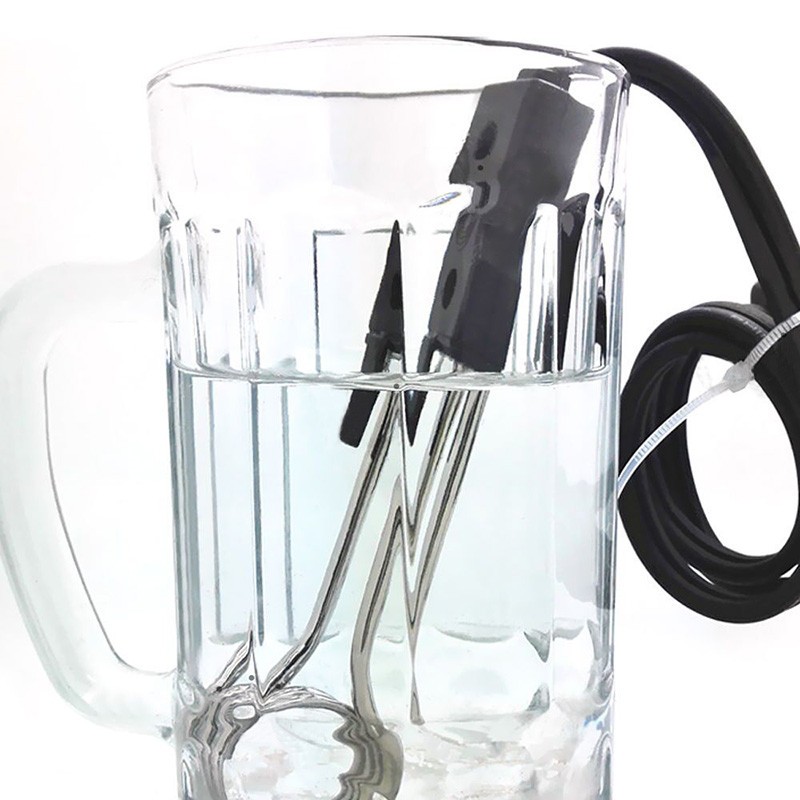
Car Immersion Heater
This is the simplest thing you can think of when packing for a trip. Back in Soviet times, this humble electric device was always in a hiker's kit. It's easy: you put the heater in a cup or bowl of water, the water boils, and you have hot tea or even dumplings.
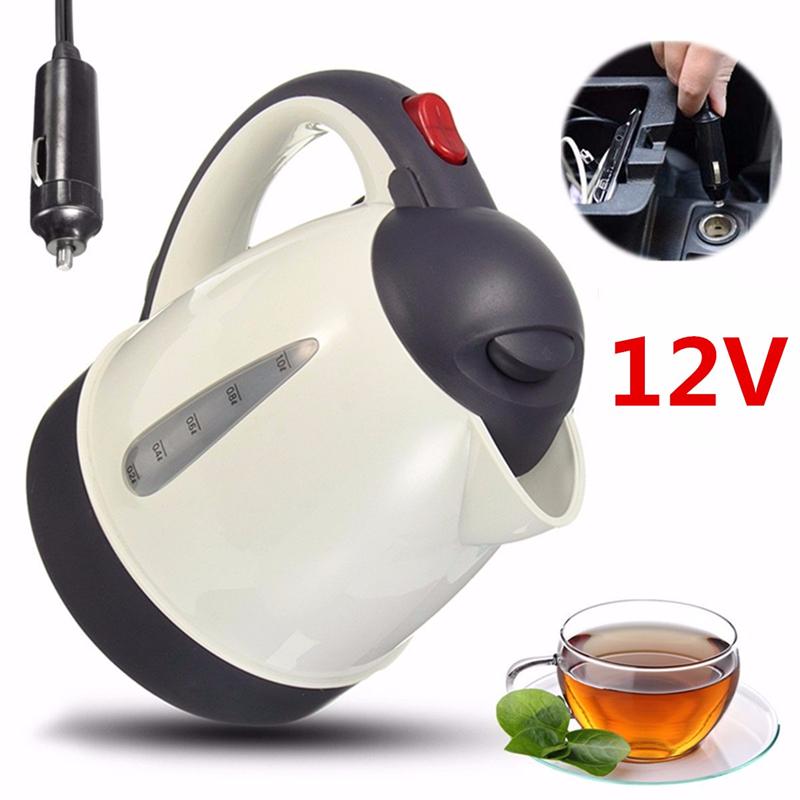
Car Electric Kettle
An alternative is an electric kettle that can run safely while you drive. There are many models on the market today, with lighting, mounts, and other extras. But in essence it is the same "advanced" immersion heater, with a lid added for convenience. The kettle has nearly the same power as the heater (150 W), so a liter (about 1 quart) of water will take 30-40 minutes to boil. The upside is that you can switch it on and keep driving. It's best to buy a kettle with a transparent body so you don't miss the moment it boils. At night, the built-in light helps. A car kettle costs about the same as a household one.
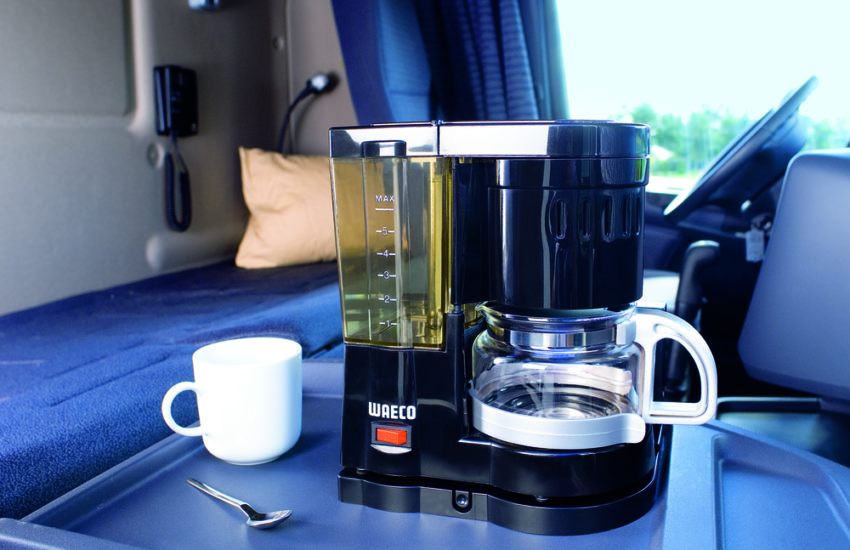
Car Coffee Maker
Just like household ones, drip coffee makers for use in the cabin are widely available, and they work on the same principle. Prices are comparable too. In 10-15 minutes, a carafe holding 300 to 600 milliliters (10-20 fl oz) will brew a fragrant drink. However, such a coffee maker is fairly bulky, about the size of two electric kettles. It would suit the cab of a big truck or van, but there's hardly room for it in a small car.
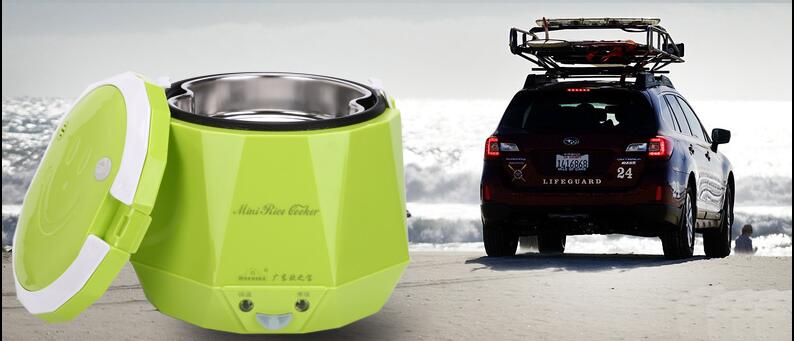
Car Rice Cooker (Multicooker)
This appliance is for quickly cooking rice or other grains on the road, and it's popular not only in Asia but among many drivers elsewhere. It's most often called a multicooker, and it's an electric pot with a tight lid and selectable cooking modes. It takes about forty minutes to turn half a cup of rice covered with water into a tasty side dish. It is especially useful on a multi-day trip, and it even makes it easy to stick to a prescribed diet: eating hot food in small portions, but often. A decent car multicooker can be found at a modest price.
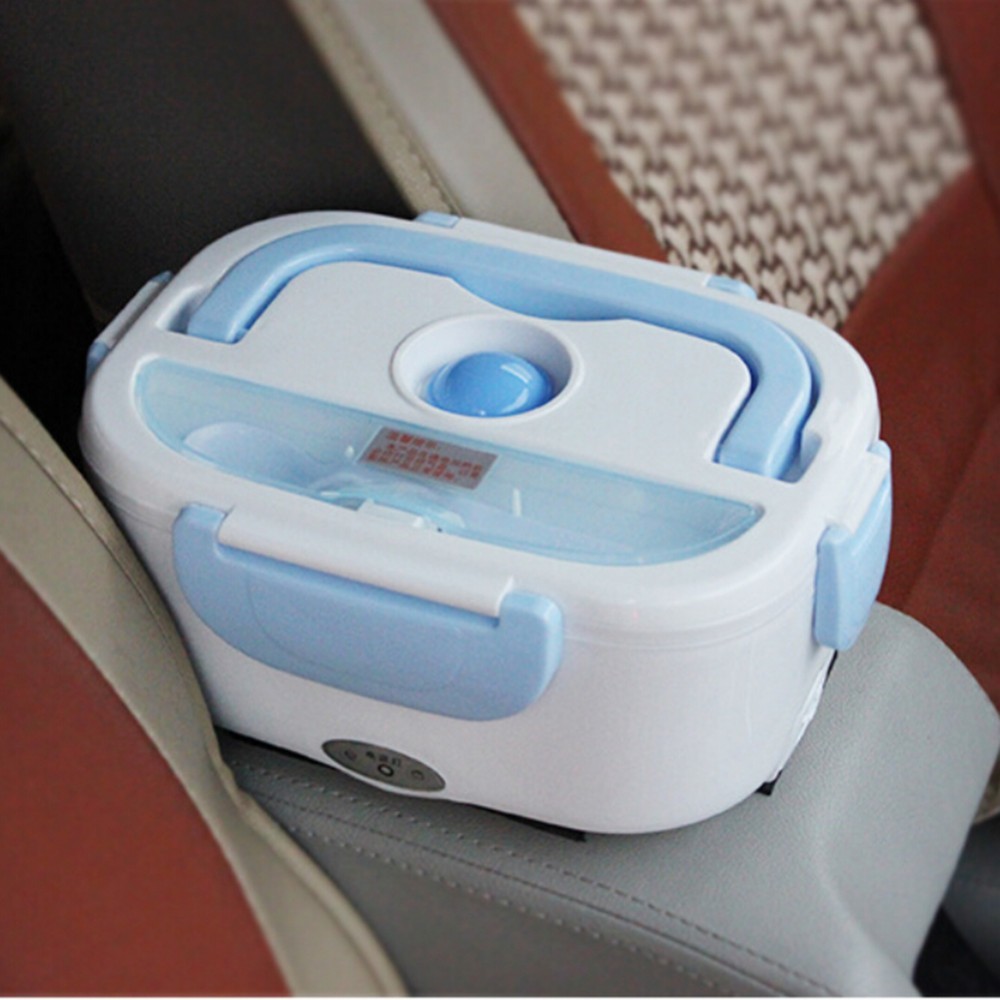
Electric Car Lunch Box
Long-haul truckers rate this appliance highly for reheating ready-made meals. You take a prepared dish along and heat it in the lunch box by plugging it into the cigarette lighter socket. The container is split into two compartments so the main course and side don't mix. The device draws only 40 W, and heating food takes 40-60 minutes, which is worth keeping in mind if your lunch break at work is strictly scheduled. The sealed lunch box is completely safe to use, even if you switch it on while the car is moving. It costs very little, and it connects to different power sources: 220 V (household) or the car's electrical system, which supplies 12-24 V.
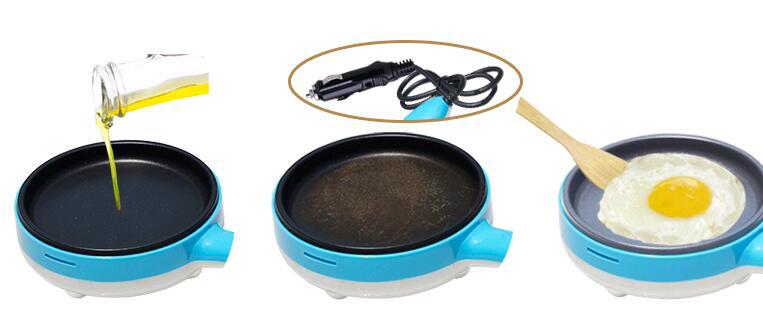
Electric Frying Pan for the Car
With this interesting gadget you can make fried eggs for breakfast or a steak for lunch without leaving the car. A kilogram (2.2 lb) of potatoes is probably too much for it, since its power is limited to just 100 W and it's small. But an electric frying pan can definitely help feed a couple of travelers well. The main things are a bit of free time on the road (you can hardly fry while driving) and basic cooking skills. It certainly won't break the bank.
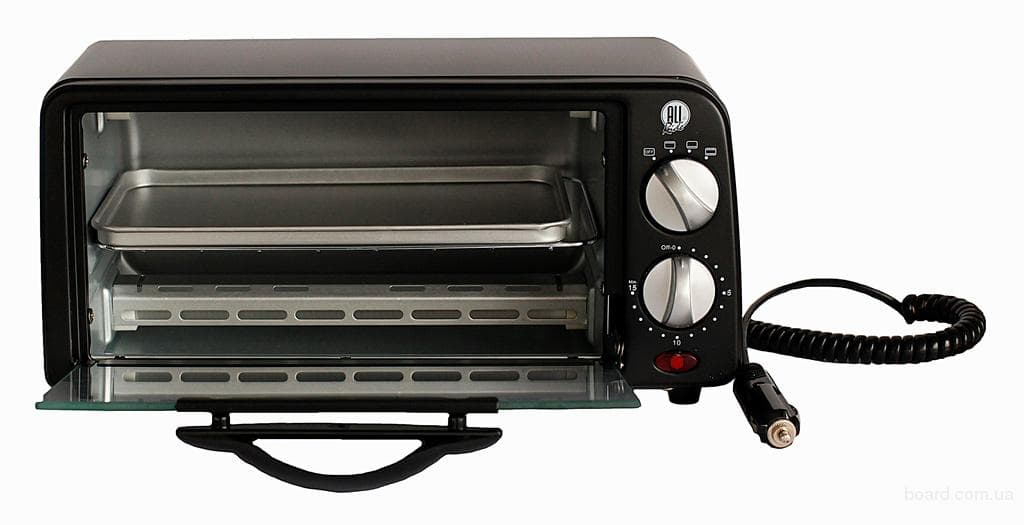
Electric Car Oven
This gadget helps you reheat basic prepared foods on the road, including pizza, and even cook something from frozen ingredients. But that takes about 300 W, which only a truck's electrical system can supply. From a passenger car's cigarette lighter socket you can't draw more than about 100 W, which is enough only for reheating, not cooking. A car oven is an inexpensive purchase.
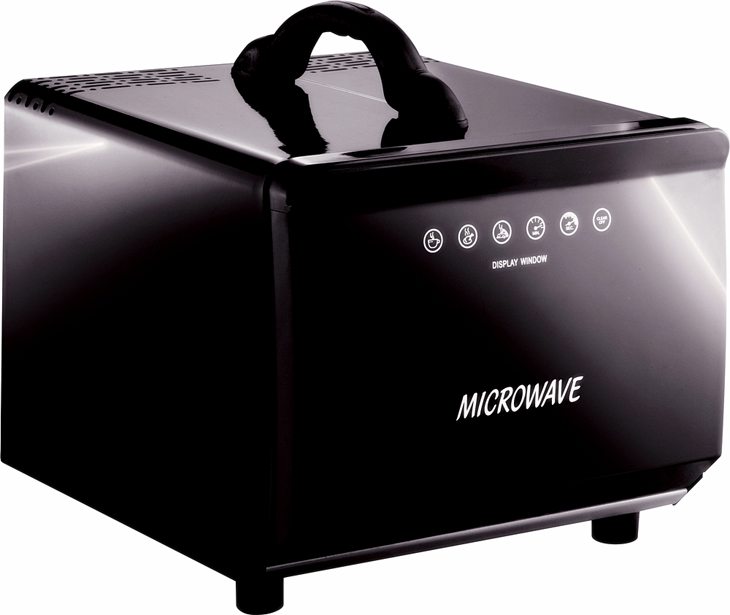
Car Microwave Oven
This type of appliance has become so common at home that a car version was inevitable. However, compared with a kitchen unit, a car microwave has half the power and a small capacity of just 10-15 liters (0.35-0.5 cu ft). It's also harder to hook up: instead of the cigarette lighter socket, you need to connect directly to the battery using heavier-gauge cables. And this device costs quite a lot, far more than an immersion heater or even a frying pan. Because of the high price, car microwaves are not very popular, so they are much harder to find than other household-type appliances. If you really need a microwave, say on a long trip in a truck or van, it's best to buy an ordinary 120/220 V kitchen model and power it through an inverter.
Safety Comes First!
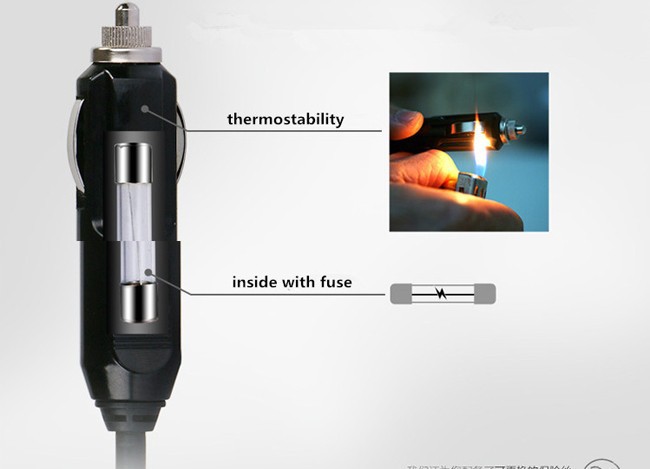
Remember that any electrical appliance not designed for your vehicle can cause a short circuit or even a fire. That means any add-on equipment, even just a car immersion heater, must fully match your vehicle's electrical specifications. The quality of the appliance matters too, so don't buy untested gear of questionable origin! When buying, also check that the plug has a fuse, and that the cord is made only of non-flammable materials.
What next