Car care & driving
How to Change Your Coolant Yourself
Autopapyrus
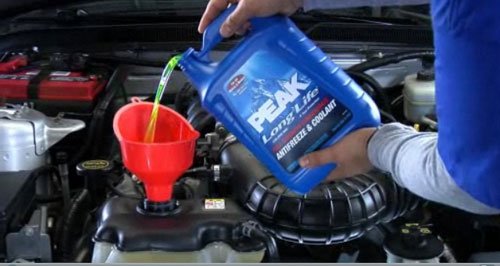
If you own a car, replacing the coolant (antifreeze) on schedule is key to keeping the engine running reliably for years. Mechanics often advise changing it every 45,000 km (about 28,000 miles) to keep the engine from overheating. Many car owners, however, change it once a year to prevent rust, which is especially a risk for aluminum parts.
But technology keeps moving, and coolant makers have introduced newer long-life formulas that need to be changed only every 100,000 km (about 62,000 miles). Your engine's owner's manual will tell you that fresh coolant should only go into a system that has been flushed. If the anti-corrosion additives in the new coolant mix with those in the old fluid, the new coolant becomes much less effective. It looks like a small detail, but it matters.
The many additives in coolant determine how long it can do its job. Once their concentration drops, it's time to think about replacing it, because the engine and radiator are at risk of corrosion. That's why changing coolant on time is so important: it helps you avoid breakdowns and the replacement of major components.
There are several ways to tell whether your coolant needs changing. One is to use test strips, which many brands sell. A chemical reaction between the coolant and the test pad makes the strip change color, and a special scale shows what condition the coolant is in and whether it's time to replace it. The repair manual for your vehicle, whether it's a truck or any other car, will show that you can change coolant yourself. Just pick a spot that pets and children can't get to, because coolant is highly toxic. Follow safety precautions, and don't let coolant spill onto the ground or into water.
First, drain the old coolant from the radiator into a suitable container. Check the cooling system hoses for cracks or tears and replace them if needed. Then flush the system with a cleaning product, available at any auto parts store.
Next, run the engine with the cabin heater on until it reaches normal operating temperature. Shut it off and drain the cleaner from the radiator. Then fill the system with plain water and run the engine again, this time for only 15 minutes. Let the engine cool down again, drain the water from the cooling system, and only then fill it with coolant.
Add coolant according to the manufacturer's instructions on the label. The concentration should not exceed 70%. The ideal mix is 50% water and 50% coolant. After filling, start the engine and turn on the heater so the fluid circulates through the system as evenly as possible and air bubbles are purged. A few days later, check the coolant level and top it off if necessary.
But technology keeps moving, and coolant makers have introduced newer long-life formulas that need to be changed only every 100,000 km (about 62,000 miles). Your engine's owner's manual will tell you that fresh coolant should only go into a system that has been flushed. If the anti-corrosion additives in the new coolant mix with those in the old fluid, the new coolant becomes much less effective. It looks like a small detail, but it matters.
The many additives in coolant determine how long it can do its job. Once their concentration drops, it's time to think about replacing it, because the engine and radiator are at risk of corrosion. That's why changing coolant on time is so important: it helps you avoid breakdowns and the replacement of major components.
Changing Coolant Is Easy
There are several ways to tell whether your coolant needs changing. One is to use test strips, which many brands sell. A chemical reaction between the coolant and the test pad makes the strip change color, and a special scale shows what condition the coolant is in and whether it's time to replace it. The repair manual for your vehicle, whether it's a truck or any other car, will show that you can change coolant yourself. Just pick a spot that pets and children can't get to, because coolant is highly toxic. Follow safety precautions, and don't let coolant spill onto the ground or into water.
First, drain the old coolant from the radiator into a suitable container. Check the cooling system hoses for cracks or tears and replace them if needed. Then flush the system with a cleaning product, available at any auto parts store.
Next, run the engine with the cabin heater on until it reaches normal operating temperature. Shut it off and drain the cleaner from the radiator. Then fill the system with plain water and run the engine again, this time for only 15 minutes. Let the engine cool down again, drain the water from the cooling system, and only then fill it with coolant.
Add coolant according to the manufacturer's instructions on the label. The concentration should not exceed 70%. The ideal mix is 50% water and 50% coolant. After filling, start the engine and turn on the heater so the fluid circulates through the system as evenly as possible and air bubbles are purged. A few days later, check the coolant level and top it off if necessary.
What next