Car care & driving
How to Take Care of Your Spark Plugs
Autopapyrus
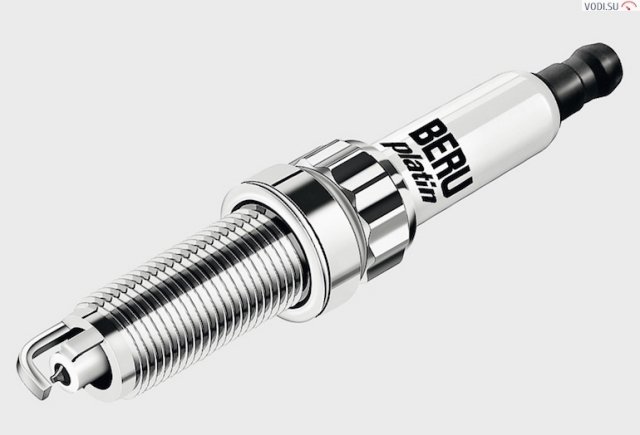
A spark plug is the device that ignites the air-fuel mixture in an internal combustion engine. In other words, whether your car starts at all depends on the spark plugs. If they are in good shape, you won't have any problems. But what if they aren't? How can you keep your spark plugs working longer?
First of all, you can judge a plug's condition by its appearance, specifically the look of the insulator tip (the heat cone) and the electrodes. If the tip is covered in deposits, that is already a sign of trouble. What kind of trouble depends on the type of deposit. Wet, oily black deposits most likely point to worn cylinders or piston rings. Another possible cause is an oil level in the crankcase that is too high.
If the car idles for long periods or is constantly driven at low speeds, the insulator tip gets covered in dry black soot. This is common in public transport vehicles. By the way, in both cases the cause may simply be that the plug is too cold for that particular engine. The opposite situation also happens: the insulator tip is perfectly clean, almost white, and shows signs of partial melting. There are two main possible causes here.
First, the plug may be the wrong one for this engine. In other words, it is too hot. Or the ignition timing may need to be adjusted correctly. On a properly working plug, the insulator tip is light yellow, close to sandy tan. There should be no deposits at all. Deposits are a sure sign of a problem with the plug. To last a long time, spark plugs need regular care. First, you should know that every 8,000-10,000 km (5,000-6,000 miles), the plugs should be cleaned and the gaps between the electrodes adjusted. A steel wire brush works best for mechanical cleaning. Chemical cleaning is better still. To do it, degrease the plug with gasoline, then carefully dry it and place it in a hot 20% ammonium acetate solution. Leave the plug there for about half an hour. After that, carefully clean it with a brush. Once the plug is clean, check the gap between its electrodes and, if necessary, set the correct gap by bending the side electrode. That's about it. If you do everything correctly, the plug will keep serving you for a long time.
What next