Car care & driving
How Can You Extend the Life of Your Engine?
Autopapyrus
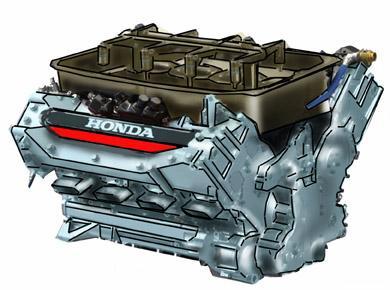
Today, buyers prefer cars that need minimal maintenance, let alone repairs, over their entire service life. But in practice, the engines in many cars don't last as long as the body, transmission and suspension, and they fail much sooner. There are several solid reasons for this, and we'll try to go through them here.
Of course, for some cars, rapid wear is a serious problem. A short engine life is closely tied to low overall reliability. But to be fair, even relatively dependable engines from foreign automakers sometimes fall short. There are plenty of examples of early engine failures even among the best-known car brands in the world, while other engines sometimes show unbelievable longevity. This makes it clear that the cause lies not only in how reliable the engine is, but also in how it is used. In other words, an engine's service life depends on the whole package: how it is manufactured, its design, the materials used and its operating conditions.
It isn't hard to list the main rules that will give your engine the longest possible life. They appear in every owner's manual, repair guide and maintenance book: use only high-quality fuel and lubricants, keep them clean, avoid extreme operating conditions, and have qualified maintenance done on time. What could be difficult about that? At first glance, it seems that the manuals give a complete answer. But that is only the ideal scenario. In real life, things turn out to be much harder. Fuel, fluids and lubricants, their quality and their suitability for your engine are fairly ordinary topics. Even so, a large share of engine failures start right here. Let's take a closer look at each of the conditions that significantly affect the life of any engine.
Gasoline Quality
Low-octane gasoline is one of the main causes of broken piston rings, damaged pistons and even burned-through combustion chamber walls. Even when nothing breaks outright, the knocking loads gradually wear the engine down, for example by pounding out the ring grooves in the pistons. Fuel can also contain elevated levels of various chemical compounds and water, which lead to corrosion and premature wear of parts. These are the results of careless practices at some gas stations, which we can't influence. But deliberately buying gasoline from questionable sources to save money, or using flammable liquids to make starting easier, is like pouring sand into your engine.
Lubricants
Poor-quality oil can also cause plenty of trouble for your engine. Problems most often begin with the urge to save money and pour in whatever oil is cheapest. Older engine designs can probably put up with this, though not without hurting their longevity. Newer engines, especially turbocharged ones, most likely can't. Another obvious mistake many drivers make is using the wrong oil for the season. For example, if you don't replace summer oil in time, then on a cold start it will take dozens of seconds to reach the engine bearings. It's hard to imagine what that does to the bearings. In hot weather, on the other hand, low-viscosity oil can't form an oil film of sufficient thickness and strength, which leads to accelerated wear on many engine parts.
Reliable Filtration
Good filtration of everything the engine consumes, whether oil, fuel or air, is another important condition for a long engine life. As you probably know, a clogged oil filter doesn't clean the oil. Instead, the oil flows through the bypass valve and around the filter element. Clogged fuel and air filters do keep abrasive particles out of the engine, but their flow resistance increases and engine power drops. At any moment a filter element can give out and tear, and the driver will most likely never notice. Both situations are harmful to the engine and lead to the same result: abrasive wear of parts.
How You Use the Car
The way you use your engine can also take a toll on its life. Manufacturers try in every way to protect the car against various abnormal situations, but even they can't anticipate every nuance. Starting and warming up the engine in cold temperatures, when lubrication isn't adequate for the bearings or for the cylinder and piston group as a whole, is unlikely to help its longevity. Short trips with long stops are also hard on the engine: this pattern degrades the oil's working properties and leads to deposits building up on the walls of passages and channels. A long winter storage period hurts the engine too. Without special protective measures, the cylinder walls corrode, and part wear then speeds up sharply. In general, an engine, like any other component of a car, doesn't do well with sitting idle. Contrary to what many people think, idleness doesn't add years to its life. On the contrary, it leads to various faults and reduces its durability. Pay special attention to your driving style. The best conditions for an engine are moderate loads and moderate rpm. Heavy loads at low rpm can cause excessive wear from lack of lubrication, while running at high rpm puts high loads on parts and, as a result, increases friction and wear. This last factor can significantly affect engine life.
Timely Repairs and Maintenance
Unqualified or late repairs and maintenance are another way to shorten an engine's life. Here are a few examples. Suppose the engine management system is running the air-fuel mixture too rich. In that case, the fuel not only washes oil off the cylinder walls but also dilutes the oil in the oil pan, degrading its lubricating properties. For some engines, the consequences are even more severe: a failed catalytic converter can cause severe wear of the cylinder and piston group within just a few kilometers. In general, fixing any defect or fault promptly is one of the most important conditions for keeping an engine alive longer. Finally, experience shows that changing the oil and filter more often than the manufacturer recommends, especially in harsh driving conditions and with high-quality oil and filters, can extend the life of some engines by 30-50% or more. So, to sum up: an engine's longevity is built from many small "bricks," laid down in every minute of its operation. When it comes to extending engine life, nothing is a small detail, and neglecting any one condition can undo the effort of many months and years of careful use. Anyone who counts on their car's engine running long and reliably should keep that in mind.
What next