Car care & driving
How to Choose Mud-Terrain Tires
Autopapyrus
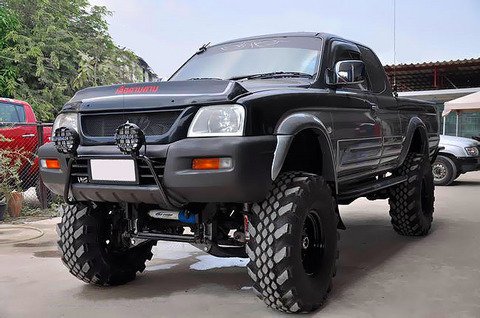
If you drive off-road, the first thing to sort out is the right set of tires for your SUV. Mud-terrain tires are usually the best choice.
Why buy mud-terrain tires?
Most SUV owners only start thinking about mud-terrain tires after a trip down a forest trail or dirt road on standard tires. Many don't realize right away that those tires are meant for city streets, not for off-roading. It's no surprise that these trips often end badly. The vehicle gets stuck in a deep mud hole, and it takes a lot of effort to get it out. Often the only solution is to call a tow truck. That's when owners realize they need specialized tires for this kind of driving.
What are mud-terrain tires?
Mud-terrain tires can be used year-round, regardless of the season. They are an excellent choice for SUVs and are indispensable in true off-road conditions. These tires deliver great traction on almost any surface. They are designed with a wide, aggressive tread pattern and large voids between the tread blocks.
What should you know when choosing mud-terrain tires?
Several factors matter. First, think about what time of year you plan to use the tires. If you'll drive in winter, choose a softer rubber compound. If you mostly drive on open plains or gravel, consider tires with a harder compound.
Features of mud-terrain tires
This type of tire is quite different from other options. Several features make mud-terrain tires ideal for off-roading. First, they have a much deeper tread, and the gaps between the tread blocks are wider. Second, they have massive lugs, which often wrap around onto the sidewall. The tire is well protected against damage thanks to its reinforced cord. On wet pavement, braking distances get longer and fuel consumption goes up. In corners, you may notice a "floating" feeling.
How do you install mud-terrain tires?
Installing tires is easy if you have your vehicle's owner's manual handy. When mounting mud-terrain tires, keep in mind that the overall wheel diameter is larger because of the deep tread. When choosing tires, we always consider the maximum load and speed ratings. Mud-terrain tires are no exception, and all of this information is printed on the sidewall.
Pay close attention to both price and quality. These tires will cost a considerable amount, but their durability justifies it. If you buy cheap tires, don't be surprised when they wear out quickly. Sometimes they last only a single off-road trip. It's much smarter to buy a model that has already proven itself.
Of course, choosing the best mud-terrain tire isn't easy. There are many manufacturers, and every tire has its own characteristics. Most SUV owners choose based on price and personal preference. But if you clearly define what you need the tires for, the selection process becomes much simpler.
What next