Car care & driving
Diagnosing Your Engine at Home: What to Listen, Look, and Smell For
Autopapyrus
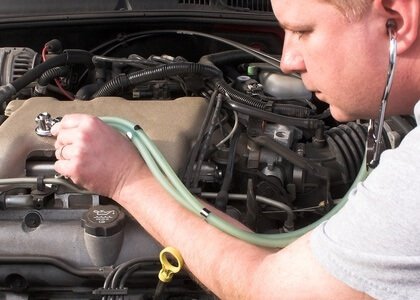
Of course, not every car owner is a professional mechanic, and most people have neither the means nor the need to do repair and maintenance work in their own garage. However, to head off sudden, unexpected engine failures, which are especially dangerous while driving, every driver should know the basics of how to tell whether an engine is running normally, and when it's time to take the car to a professional for qualified help.
It's fairly simple. You just need to pay closer attention to your car: listen to the sounds the engine makes while running, notice vibrations, take note of unusual smells, and so on. A fault never appears out of thin air. There is always a cause, an effect, and a set of symptoms. These first symptoms of improper engine operation are exactly what we need to catch early. Getting help at an early stage of a problem keeps your repair bill down.
Most of the audible warnings of engine trouble come from the front of the engine, where the drive belts are. Whistling, whining, and squealing of varying pitch and volume can point to problems with the water pump or the camshaft. Such noises can also be caused by something as ordinary as a stretched, slipping alternator belt, or by a lack of lubrication in the alternator bearings, which can even seize. If you hear knocking at the front of the engine, the cause may be loose bolts or mounts, for example the mounts of the timing belt cover or the alternator. It could also be wear in the camshaft or the water pump bearings.
Occasional light knocking from the engine points to a problem with the engine mounts or the oil level. Louder knocking suggests probable camshaft wear, excessive valve clearance, or failing bearings.
Detonation (engine knock or pinging) or loud popping and banging while the engine is running suggests a problem in the combustion system. The cause can be poor-quality fuel or a failure of the system itself.
Unusual smells inside the car can also point to engine trouble. For example, the smell of gasoline may come from a leak in the fuel system or a faulty carburetor. The smell of oil indicates general engine wear or a problem with crankcase ventilation. The smell of exhaust fumes is a warning that something is wrong with the exhaust system. There may be burned-through spots or holes in the pipes, or damaged hoses.
These are far from all the possible signs and warnings of engine problems. Naturally, no one can know everything, especially a non-professional, and in fact you don't need to. The main thing is to stay attentive and "listen" to your car. At the slightest suspicion, go to a professional, who should perform a thorough, complete diagnosis and find and fix the problem if there really is one.
You can also pick up a specialized repair manual for your vehicle. It will give you even more advice on how to prevent breakdowns and how to operate your car properly so it serves you well for many years to come.
What next