Car care & driving
How to Tint Your Car Windows Yourself
Autopapyrus
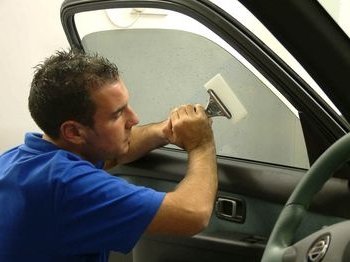
Window tinting is done with a special polyester film that is applied to the glass. The film has a special composition and a specific color, usually black or brown, though auto parts stores carry other colors too, depending on your preference. It's an affordable upgrade for almost anyone, since the material is inexpensive.
Let's go over the main rules and details of tinting.
To make the tint last longer and protect it from wear and the elements, apply it to the inside of the glass.
When choosing a tint, be very careful that the shade and darkness of the film suit your car's color and, just as important, stay within the legal limits for light transmission. Rules differ by country and state, so check your local requirements before you buy. As an example, a common standard sets these minimums for visible light transmission (VLT):
• windshield – at least 75%;
• front side windows – 70% or higher.
For the rear side windows and the rear window, some regions set no VLT limit, which means you can use any film except a mirrored one. Check your local rules, as many US states do set limits for these windows.
The more carefully you choose your film, the fewer headaches you'll have at your vehicle inspection.
Experts recommend tinting in a well-lit but enclosed space. A garage is ideal. Avoid drafts! If for some reason you can't do the job indoors, do it outside, but only on a dry, calm day with no wind.
You can apply the film without removing the glass from the door. That is faster, of course, but it can reduce the quality of the result. If you want to work more comfortably and get the film to lie perfectly flat, it's better to take the window out.
What next