Car care & driving
Winter Driving: A Guide to Handling Your Car in Cold Weather
Autopapyrus
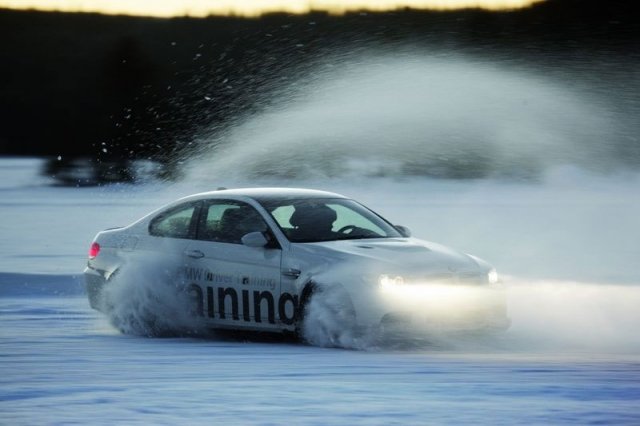
In summer, when the road is dry and there is no snow or ice on the asphalt, cruising along clean pavement is a pleasure. Winter weather makes driving much harder. In the cold season, especially in harsh climates, a driver needs more concentration, more skill, and some specific knowledge about how to handle a car properly. Unfortunately, no owner's manual, however informative, and no repair manual for any model tells you what to do when your car gets into trouble in bad weather. Winter greets us with slippery roads, snowdrifts, heavy snowfall, and fog, and it's best to prepare for these conditions in advance. So we've put together some useful recommendations to help you drive through this difficult season.
First, inspect your car and prepare it for winter use. This takes two days at most. Switch to winter tires and check the tire pressure. If you can, have the brakes checked to make sure they work evenly. Make sure your engine oil is suited to the weather, in particular the outside temperature. In severe cold, synthetic oil is a better choice because it is the least viscous. Replace the windshield washer fluid with a winter formula, diluted to the right concentration. Don't forget to check the antifreeze. It may be clear, bright green, bright blue, or bright pink.
Your low-beam headlights and taillights should be in perfect condition. Rubber floor mats with raised edges will protect the interior from moisture and the de-icing chemicals used on roads. Because the brakes can freeze, avoid leaving the car on the parking brake. Also don't wash your car too often in severe frost. If the locks freeze, no spray will help, and you will have to thaw them with a cup of hot water or a hair dryer. And make sure you have a tow rope and a warning triangle. Once the car is in full working order, you will be much better able to handle it in harsh winter conditions.
According to statistics, most accidents happen in the first days of cold weather, when snow falls and the roads become very slippery. The most important thing for a driver in this period is to be well prepared for winter driving. Drive 10-12 km/h (6-7 mph) slower than you would in good summer conditions, and do it smoothly, without jerky movements, especially when shifting gears. Double the following distance you would normally keep behind the vehicle ahead.
The biggest problems for a driver, and the ones with the most serious consequences, are skidding on slippery roads and wheelspin in deep snow. The best way to avoid them is to recognize such stretches of road ahead of time and go around them when you can. If your job involves driving every day in winter, consider taking a special course in driving under such extreme conditions. These classes teach you to recover from many different kinds of skids, and once you've mastered them, you will feel far more confident even on slippery roads.
If you can't take a course, here are a few simple tips for handling unexpected situations.
How to Get Out of Deep Snow
The most important thing not to do is hit the gas hard. A fast-spinning wheel will only melt the snow beneath it. Rocking the car back and forth by gently working the accelerator and clutch will help you get out of the drift quickly. If needed, put floor mats under the drive wheels, but don't forget to pick them up once you're free.
How to get out of a rut: the most dangerous moment is leaving the rut itself, because you need the most speed for it. Otherwise the wheels may lock up at that moment and the car will simply skid. Slow down a little just before leaving the rut, and be ready to correct a skid as you come out.
How to get out of a rut: the most dangerous moment is leaving the rut itself, because you need the most speed for it. Otherwise the wheels may lock up at that moment and the car will simply skid. Slow down a little just before leaving the rut, and be ready to correct a skid as you come out.
How to Handle a Skid
If your car starts to skid, the key rule is never to make sudden steering movements, and above all not to brake. Steer only in the direction of the skid and try to guide the car to the place where you want to end up. In a rear-wheel-drive car, you can pump the brake pedal rhythmically; in a front-wheel-drive car, add a little gas. As soon as the skid eases, straighten the wheel. Most important, don't panic. Calmly carry out each step and you will manage the situation.
How to Drive Downhill Properly
When going downhill in winter, never shift into neutral. It's best to use a lower gear for better traction on the slippery, snowy road. As you near the bottom of the hill, apply the brakes in short, intermittent presses.
How to Drive Uphill Properly
Any climb requires a little momentum, otherwise the car will simply spin its wheels once it runs out of traction. If you build up speed and still can't make it up a snowy hill, you can try going up in reverse, but only in a front-wheel-drive car.
How to Pull Away
On a slippery road, pull away as smoothly as possible and start in second gear. Knowing these rules is one thing, but putting them into practice is another. You can practice on an empty lot, trying different kinds of braking and maneuvers so you can judge stopping distances later. Always obey traffic laws, buckle your seat belt, and be as careful as possible on the road in any weather. We hope these tips help you drive in truly extreme winter conditions.
What next