Car care & driving
The Language of Drivers on the Road
Autopapyrus
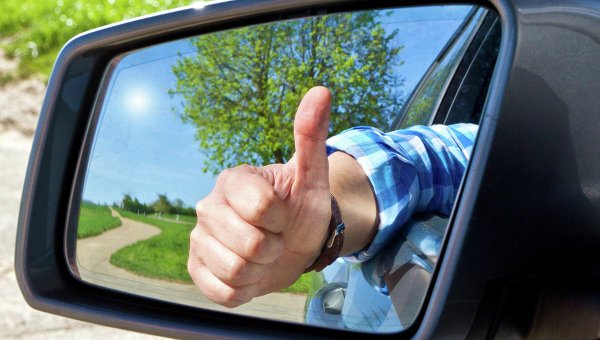
Not everyone knows it, but drivers have their own language. Once you learn it, you can easily communicate with other road users without ever leaving your car.
For example, you notice that a car behind you is in a hurry, so you let it pass. Suddenly its driver turns on the hazard lights. That's the driver's way of saying "thank you" for making room for the maneuver. Many people don't know how to use this language at all: they startle others with signals and flash their headlights for no reason, getting in the way of traffic. Any car owner will tell you how nice it is to meet a friendly, sensible person on the road.
The most common signal is two short flashes of the high beams, warning that police or a hazard may be waiting ahead. When you see this signal, thank the driver with a wave of your hand.
A long honk from behind is a request for you to let another car pass. If the honk comes from an oncoming car or from the side, you are also being asked to yield. The latter case is usually a long, angry blast.
A single short flash of the high beams aimed at your face or side in a traffic jam means the driver wants to let you go ahead. It's especially handy if you are in the oncoming lane and need to make a quick turn.
Some drivers have a pretty good habit of turning on the turn signal even when it isn't strictly necessary. You're mistaken if you think the turn signal should only be used to indicate a turn. It can be used for many helpful things. For example, switching on the left signal in the far-left lane is a request for the car ahead to move over to the right so you can pass. It isn't used very often, but combined with the high beams it works very well.
If you notice a car behind you flashing its right turn signal as well as its high beams, you are most likely being asked to pull over to the side of the road.
If you need to turn at an intersection and another intersection comes right before it, don't turn on your signal until you have passed the first one. After completing a turn, always check that your turn signals have turned off.
Turn on your signal a few seconds before the maneuver. On narrow roads it is very hard to pass a long truck, especially one with a trailer. But truckers help you out with their turn signals. When they flash the left signal, it means don't pass, because there is oncoming traffic. If they flash the right signal, they are telling you the road ahead is clear. It's customary to thank them by flashing your hazard lights a few times. You will often get a short honk in reply.
Hazard lights have a wide range of uses. You can use them to say thanks, and also to warn drivers behind you of danger ahead, such as roadwork, a traffic jam or an accident.
If a car passes you and keeps its hazard lights on for a long time, don't assume it is thanking you. Most likely, the driver is trying to tell you that your high beams are on.
Don't honk at random, because you will only confuse other drivers on the road. They may react differently than you expect. Use the horn only to prevent a collision or to let other drivers know your intentions. Three presses of the horn express your displeasure.
Never forget to be courteous on the road!
The Most Common Signals
For example, you notice that a car behind you is in a hurry, so you let it pass. Suddenly its driver turns on the hazard lights. That's the driver's way of saying "thank you" for making room for the maneuver. Many people don't know how to use this language at all: they startle others with signals and flash their headlights for no reason, getting in the way of traffic. Any car owner will tell you how nice it is to meet a friendly, sensible person on the road.
The most common signal is two short flashes of the high beams, warning that police or a hazard may be waiting ahead. When you see this signal, thank the driver with a wave of your hand.
A long honk from behind is a request for you to let another car pass. If the honk comes from an oncoming car or from the side, you are also being asked to yield. The latter case is usually a long, angry blast.
A single short flash of the high beams aimed at your face or side in a traffic jam means the driver wants to let you go ahead. It's especially handy if you are in the oncoming lane and need to make a quick turn.
Some drivers have a pretty good habit of turning on the turn signal even when it isn't strictly necessary. You're mistaken if you think the turn signal should only be used to indicate a turn. It can be used for many helpful things. For example, switching on the left signal in the far-left lane is a request for the car ahead to move over to the right so you can pass. It isn't used very often, but combined with the high beams it works very well.
If you notice a car behind you flashing its right turn signal as well as its high beams, you are most likely being asked to pull over to the side of the road.
Using the Turn Signal
If you need to turn at an intersection and another intersection comes right before it, don't turn on your signal until you have passed the first one. After completing a turn, always check that your turn signals have turned off.
Turn on your signal a few seconds before the maneuver. On narrow roads it is very hard to pass a long truck, especially one with a trailer. But truckers help you out with their turn signals. When they flash the left signal, it means don't pass, because there is oncoming traffic. If they flash the right signal, they are telling you the road ahead is clear. It's customary to thank them by flashing your hazard lights a few times. You will often get a short honk in reply.
Hazard lights have a wide range of uses. You can use them to say thanks, and also to warn drivers behind you of danger ahead, such as roadwork, a traffic jam or an accident.
If a car passes you and keeps its hazard lights on for a long time, don't assume it is thanking you. Most likely, the driver is trying to tell you that your high beams are on.
Don't honk at random, because you will only confuse other drivers on the road. They may react differently than you expect. Use the horn only to prevent a collision or to let other drivers know your intentions. Three presses of the horn express your displeasure.
Never forget to be courteous on the road!
What next