Car news
Porsche Mission S: A Supercar Above the 911 With No Center Screen — Breaking Down the October 15, 2026 Reveal
Autopapyrus
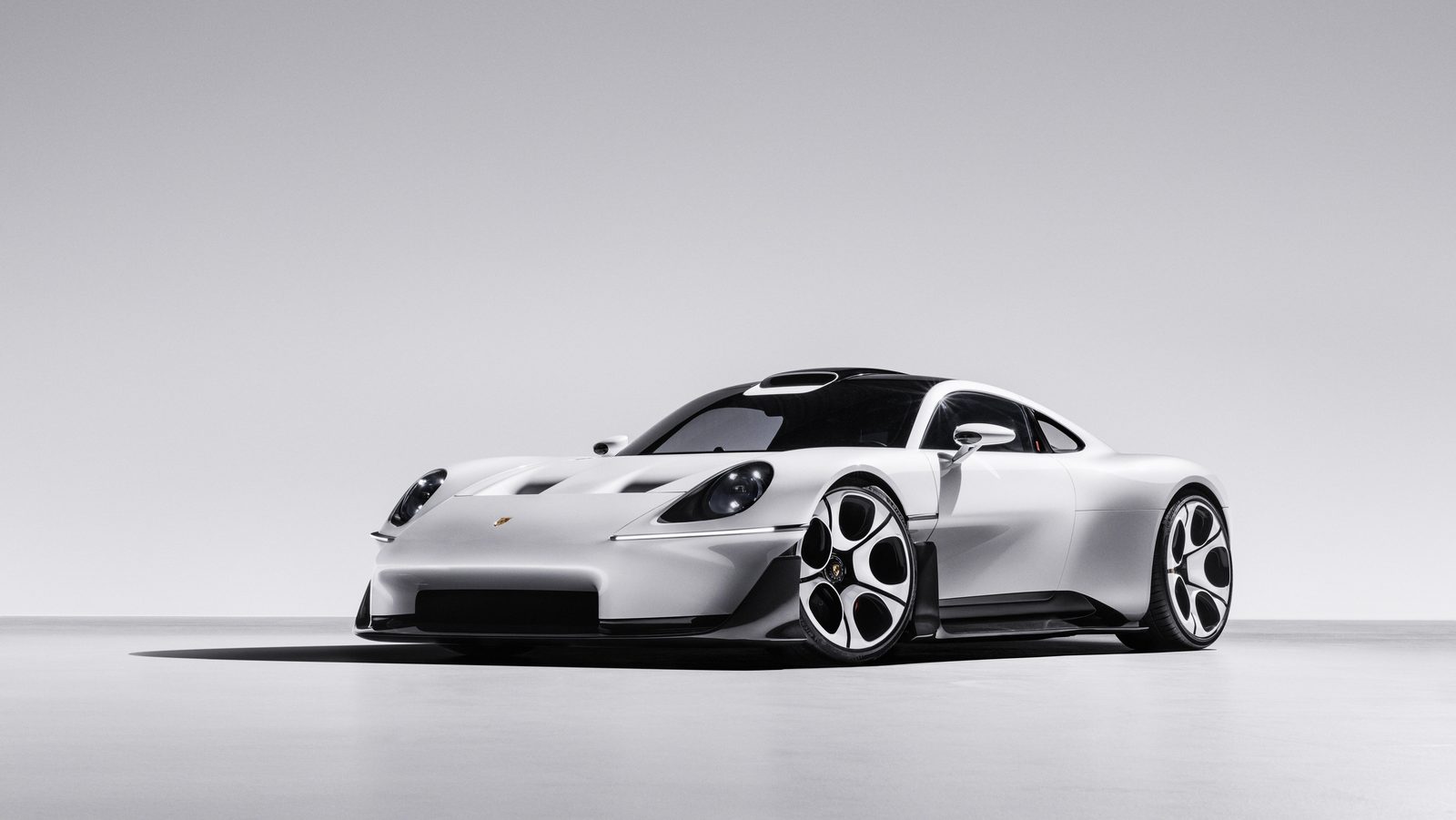
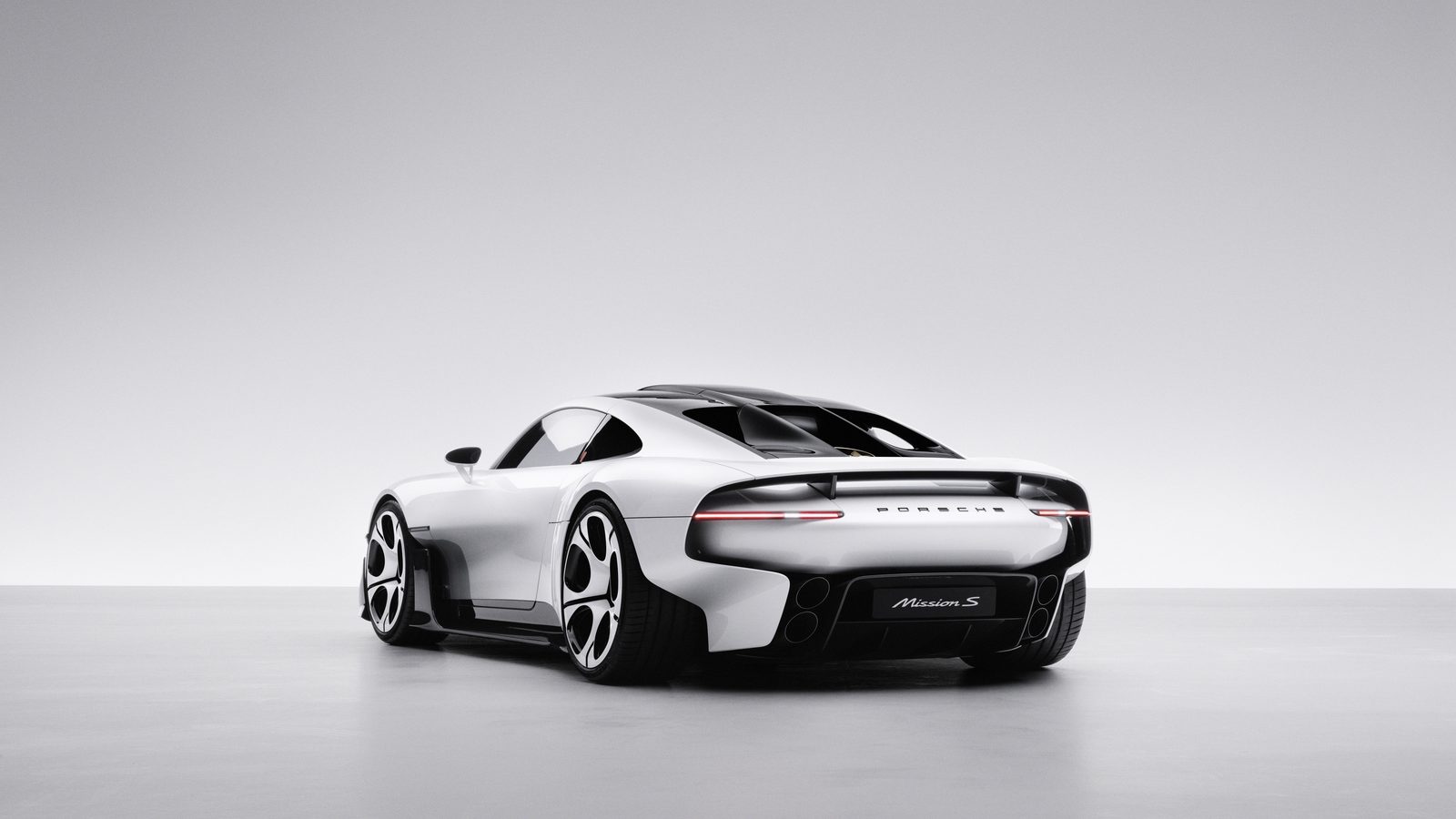
On October 15, 2026, Porsche unveiled the Mission S concept in New York, a mid-engine supercar that will sit above the 911. The most interesting thing about it isn't the numbers, since Porsche didn't release any, but how the car looks and is built: the company deliberately chose not to put a center screen in the cabin. Here's what was shown, what wasn't said, and why it matters for the whole lineup.
Where and why
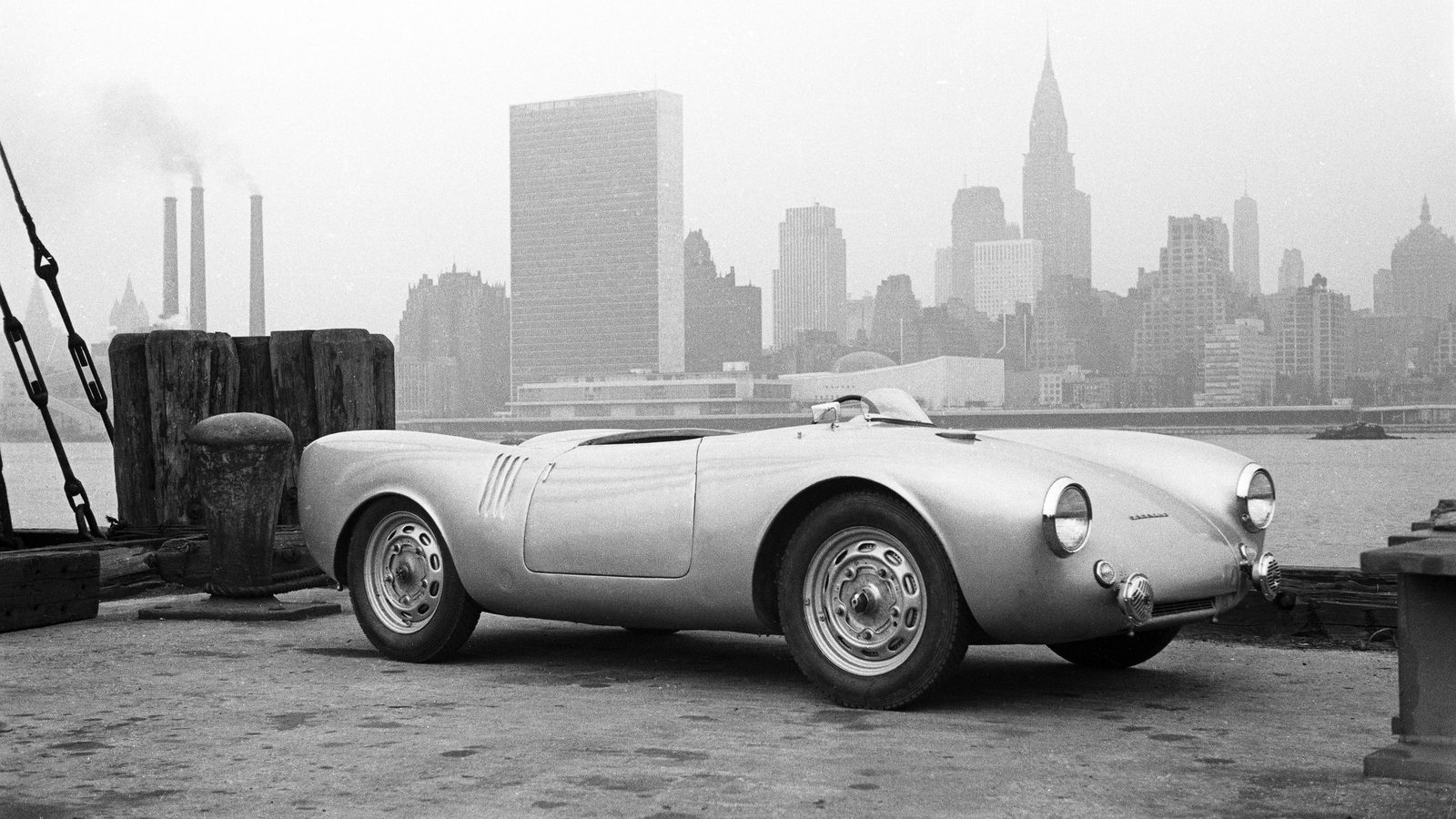
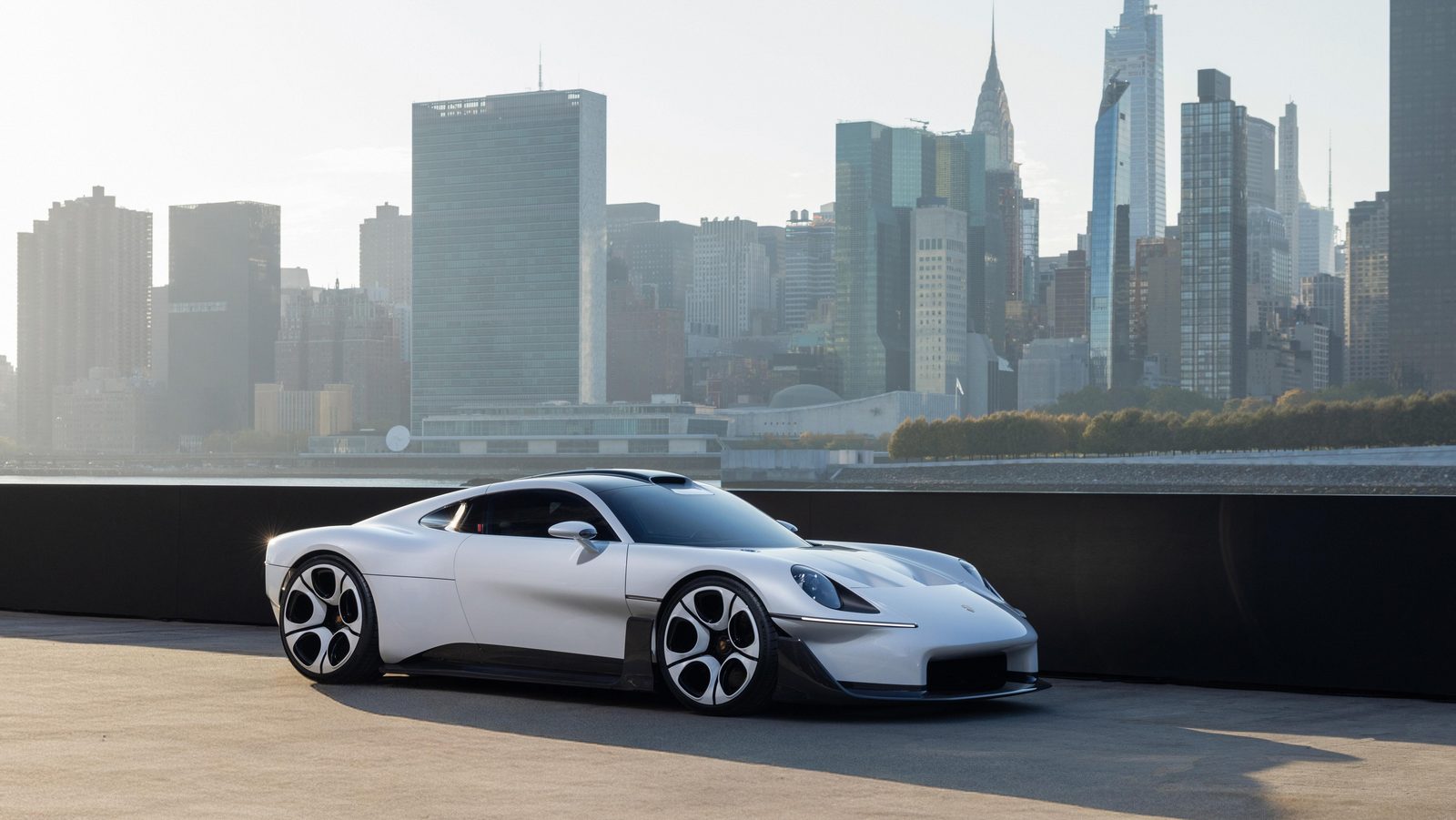
The premiere took place on a pier in Queens with a view of Manhattan. The location was no accident: the first photos of the mid-engine Porsche 550 Spyder were taken here in 1953. The Mission S shows the same idea, with the engine behind the driver, seventy-three years later.
Why this isn't just a concept
For the first time, Porsche plans a permanent supersports car offering above the 911. CEO Michael Leiters said the Mission S is conceived "not as a one-off hypercar, but as a permanent and versatile addition to our lineup." The concept is tied to the Sportwagenschmiede ’35 strategy, and Porsche promises to bring its ideas to future production models "soon." The press release confirms no production car, date, or price.
How it looks
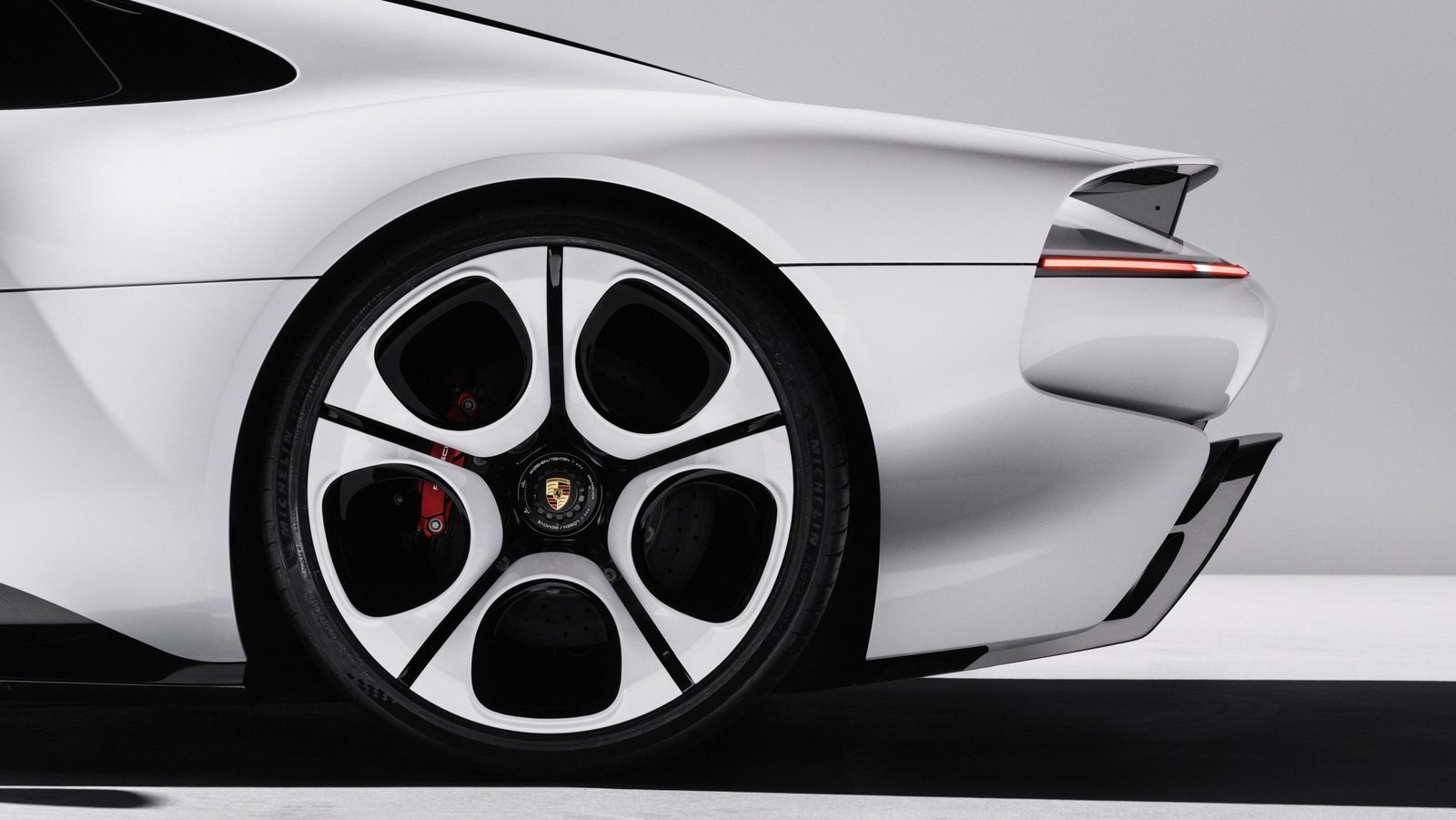
The designers openly list where the details come from:
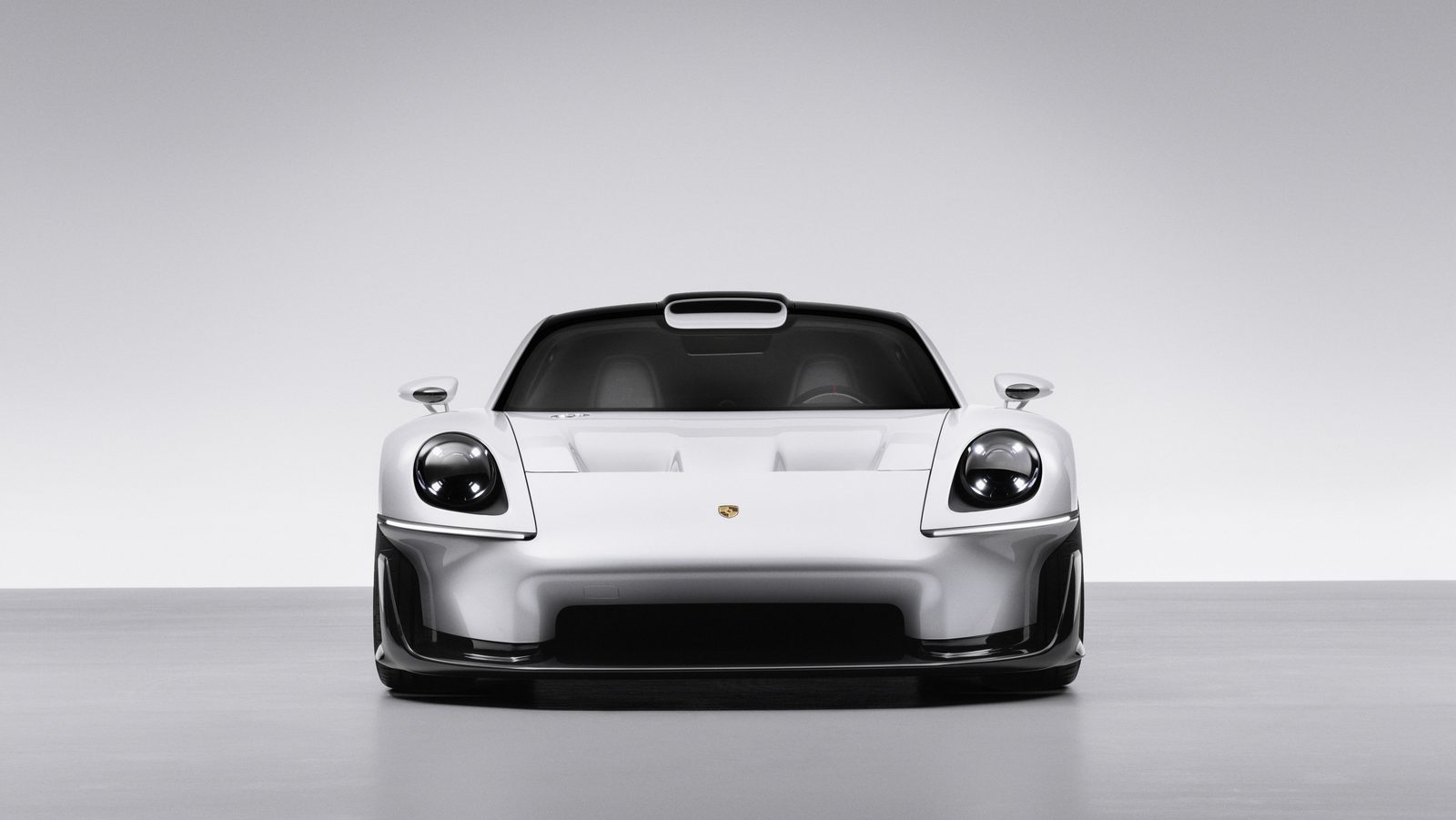
- 911: round headlights and "torpedo" fenders;
- G-series: body panel seams that flow into the taillight graphics;
- GT1: the flat nose and the "car within a car" rear layout;
- 959: a roofline that dives under the rear fender and runs to the tail;
- 917: a cooling solution reminiscent of its cooling fan;
- 928: the dial-like pattern at the heart of the new lightweight wheel.
Front and rear lighting are joined by a single continuous line. Above it, the surfaces emphasize muscularity; below it, the technical elements are visible. The rear wing is fully integrated and active. The engine sits in the middle, which, according to Porsche, gives the body its low, wide proportions.
A cabin with no center screen
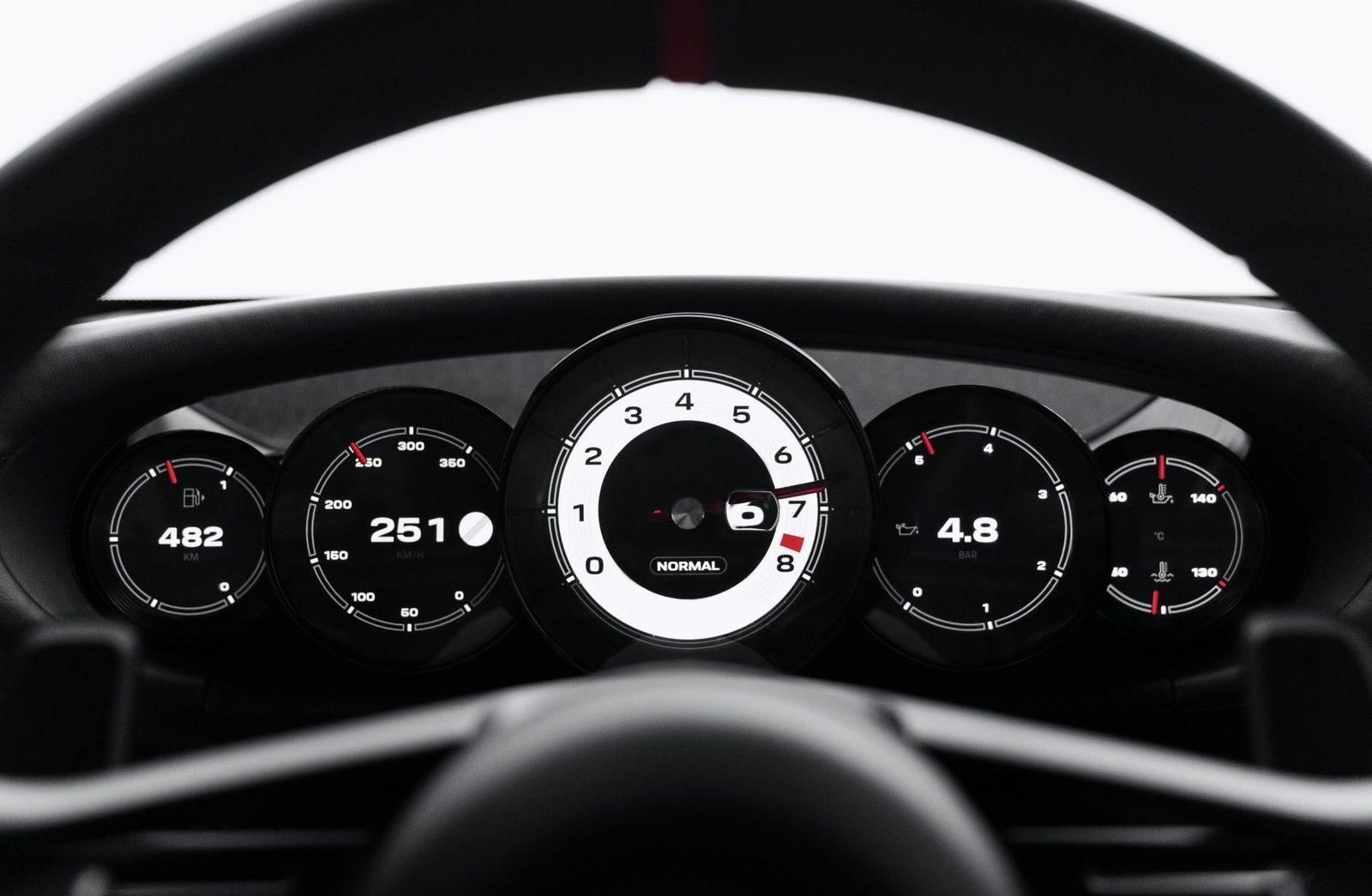
The most unusual part is inside. There are five round gauges behind the steering wheel. In the middle is a tachometer with a real analog needle, with a display behind it; depending on the driving mode, the display moves closer to the driver, and the dials rearrange themselves: sometimes side by side, sometimes one in front of another.
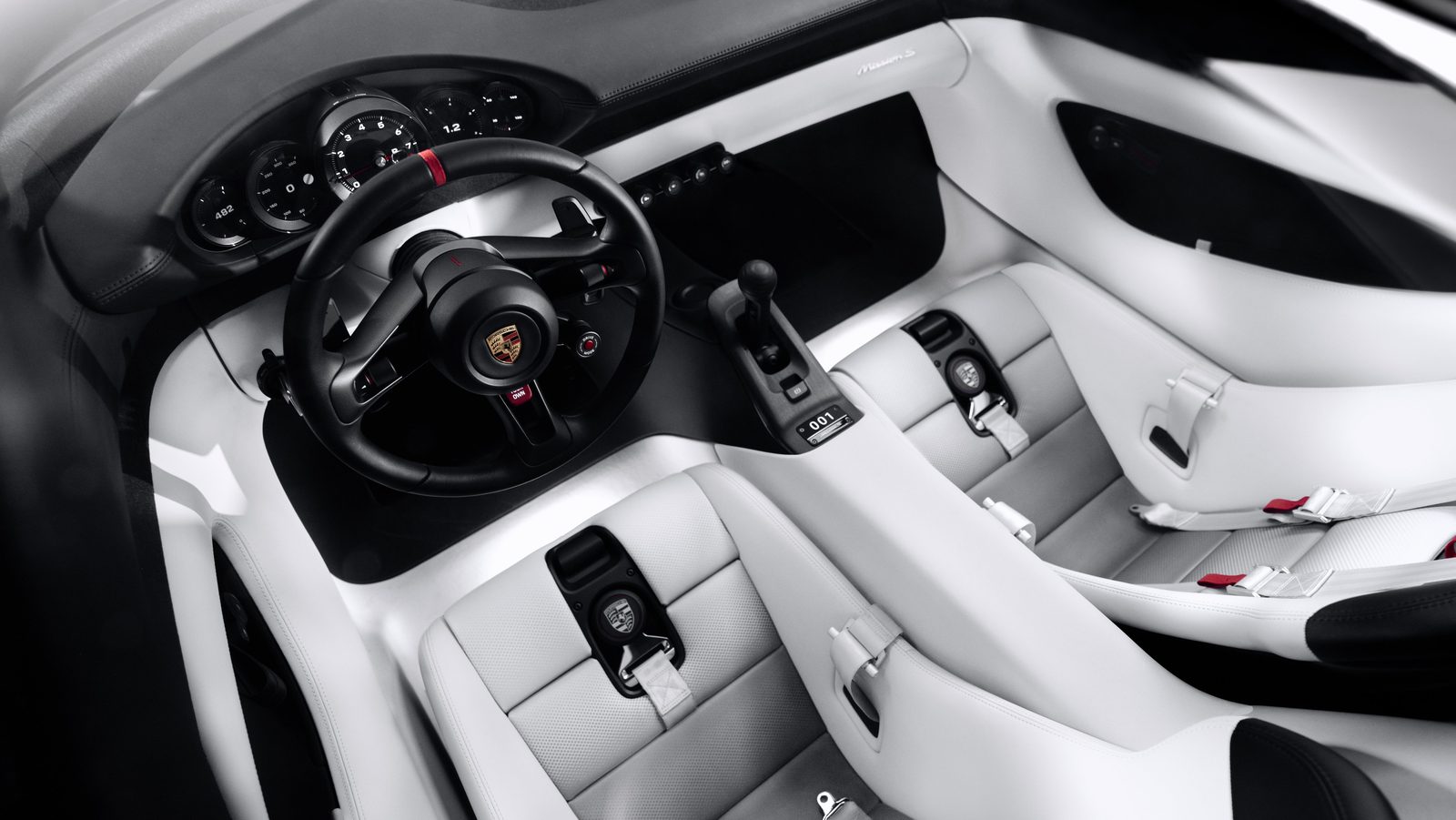
- Key: a specially designed key, with the ignition to the left of the steering wheel, as always with Porsche.
- Controls: the panel has pull-and-press controls for comfort and driving modes; the Sport Chrono unit has been redesigned.
- Screens: there is no permanent center display and no passenger display. Instead there is a retractable smartphone holder with a MagSafe mount, so the driver's phone works as navigation and an information screen.
- My Porsche app gives access to functions and lets you choose digital designs for the round gauges in the style of older models.
- Seat belt: the buckle is built into the center panel, and the power seat adjustments have been relocated.
- Interior colors: Firn White Metallic, Light Red Metallic, Black Chrome, and Special Black, which the company calls a reinterpretation of classic motorsport colors.
What Porsche didn't say
| What | What's known |
|---|---|
| Engine | mounted in the middle; type (gasoline, hybrid, electric) not stated |
| Power, torque, acceleration | not stated |
| Dimensions and weight | not stated; proportions described only in words |
| Price | not stated |
| Production version and timing | the release confirms neither a model nor a date |
Some outlets report that the production car won't be electric. Porsche itself didn't state this in its release, so we treat it as speculation.
Our verdict
The Mission S is a signal, not a finished car. Porsche is showing how it intends to build the lineup above the 911: a shape recognizable at first glance, an analog needle instead of screens alone, and a physical key and knobs instead of a scattering of icons. Skipping a center display is a bold move for 2026, when screens have become standard even in inexpensive cars. But it may not survive to production: the concept promises nothing to buyers, and the timing and price are unknown.
We'll keep following the story: once power output, powertrain type, and a date appear, we'll update this breakdown.
Sources: Porsche Newsroom press release of October 15, 2026, Bloomberg, T3. Photos: Porsche AG.
What next