https://autopapyrus.com/catalog/dodge/journey/guides/diagnosing-misfires-rough-running-on-a-2-7-v6-engine/
Diagnosing Misfires (Rough Running) on a 2.7 V6 Engine
A misfire on the 2.7 V6 is most often caused by worn spark plugs, a failed ignition coil, oil in the spark plug well, a vacuum leak in the intake, or a dead fuel injector. Diagnose from the simplest cause to the most complex: read the codes, check the ignition, then the fuel, air and engine mechanical condition. Check the exact torque specs and spark plug gap for this engine against the manufacturer's service manual, since they could not be confirmed from open sources.
Diagram: telling a new spark plug from a worn one
- 1New plug for comparison: clean, electrodes intact
- 2Worn plug: soot, oil or melting point to the cause. Replace the whole set
- 3Oil marks on the thread and at the lower black ring: oil from the plug well
- 4Electrode: heavy wear is obvious, check the gap with a feeler gauge
Parts
4| № | Part | Alternatives |
|---|---|---|
| 01 | Spark plugs for 2.7 V6one per cylinderFind on Amazon → | AlternativesNGKDensoChampion |
| 02 | Ignition coilsone per cylinderFind on Amazon → | |
| 03 | Spark plug tube seals in valve coversif neededFind on Amazon → | |
| 04 | Fuel injectorsif neededFind on Amazon → |
Amazon links search by the part name; use Amazon's fit check for your car before ordering. We may earn a commission from qualifying purchases.
Tools
8Read the codes yourself
A scanner plugged into the OBD2 port under the dashboard shows which fault codes the car has stored, before you buy any parts. Cars sold in the US from 1996, and petrol cars in Europe from 2001 (diesels from 2004), have this port.
- Basic code reader, about $20–40: reads and clears engine codes Amazon →
- Bluetooth scanner with a phone app, about $30–100: live sensor data, and on many cars ABS and airbag codes too Amazon →
Check that the scanner lists your make and model year before you buy. We may earn a commission from qualifying purchases.
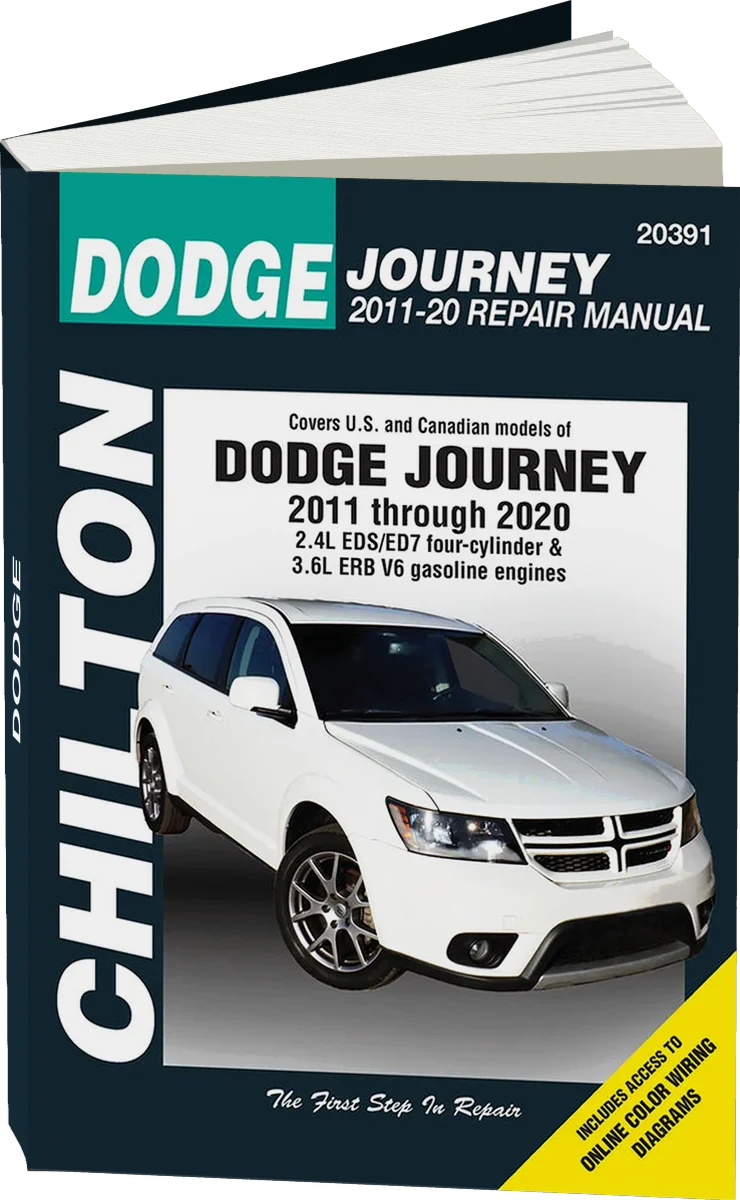 There's a full repair manual for this car
Every system, wiring diagrams and torque specs — not just this job. Chilton and 3 more.
See manuals →
Step by step
13 steps- Connect an OBD-II scanner and read the codes. P0300 means random/multiple-cylinder misfires, and P0301-P0306 mean a misfire in a specific cylinder. Write down the codes and clear them after the repair. If the Check Engine light is flashing, do not drive the car, or you can damage the catalytic converter.
- Determine when the engine runs rough: on a cold start, while warming up, under load, or only in Drive. This narrows down the possible causes. Misfires only at startup that then go away are often caused by an injector, an early head gasket leak, or a vacuum leak.
- Inspect the engine bay: look for cracks and oil on the coil connectors, damaged wires, disconnected vacuum hoses, and cracks in the intake ducts.
- Remove the ignition coil from the problem cylinder. To do this, disconnect the connector and remove the mounting bolt. Inspect the rubber boot of the coil. If there is oil on it or in the spark plug well, the spark plug tube seal in the valve cover is leaking. Oil damages the coil and causes misfires. You need to replace both the coil and the seal.
- Blow debris out of the well with compressed air, then remove the spark plug. Inspect it: carbon fouling, oil, melting, or heavy electrode wear point to the cause. If one plug is noticeably darker than the others, its injector may be leaking.
- If the spark plugs are worn out, replace the whole set. Check the gap with a feeler gauge and tighten the plugs with a torque wrench. Take the torque spec and gap from the service manual for this engine. Apply a thin layer of high-temperature anti-seize to the threads only if the service manual allows it.
- Test the coil by swapping. Swap the coil from the problem cylinder with the coil from another cylinder, clear the codes, and test again. If the code follows the coil, replace the coil. If it stays on the same cylinder, the cause is the spark plug, injector, wiring, or engine mechanical condition.
- Check the injector on the problem cylinder. Listen to it with a mechanic's stethoscope (or a screwdriver held to your ear). You should hear a steady click. To check the control signal, use a test light (an LED noid light): it should flash while the engine is running. If the signal is present but the cylinder is not firing, the injector is clogged or faulty. In that case it needs cleaning or replacement.
- Check for a vacuum leak: inspect the intake manifold, its gaskets, and the vacuum hoses. A vacuum leak causes a rough idle and misfires, especially on a cold engine. Check by inspection, by listening for leaks, and by feeling along the hoses. Use a smoke machine if needed.
- Check the fuel pressure and the condition of the fuel filter according to the service manual, and check the mass airflow (MAF) sensor. A dirty MAF sensor causes rough running. Clean it with a dedicated MAF cleaner.
- If the ignition, fuel, and air are all fine, measure compression in all cylinders on a warm engine. Compare the cylinders with each other: a large difference points to worn valves, worn rings, or a head gasket problem. Check the acceptable values against the service manual. A leak-down test shows more accurately where the compression is being lost.
- Check the coolant and oil: foam in the oil, coolant loss with no visible leaks, or oil in the coolant reservoir point to a head gasket failure. In that case, the repair should be done at a repair shop.
- After fixing the cause, clear the codes, warm up the engine, and check how it runs at idle and under load.
Common mistakes and warnings
- Do not drive with a flashing Check Engine light: unburned fuel overheats and destroys the catalytic converter
- Do not start the engine with the coils removed, and do not test for spark by grounding the coil against the engine
- This is dangerous for the engine control module and for you
- If the misfires continue after you replace the spark plugs and coils and fix any vacuum leaks, the cause is in the engine mechanical condition (compression, cylinder head, valves), so take the car to a repair shop
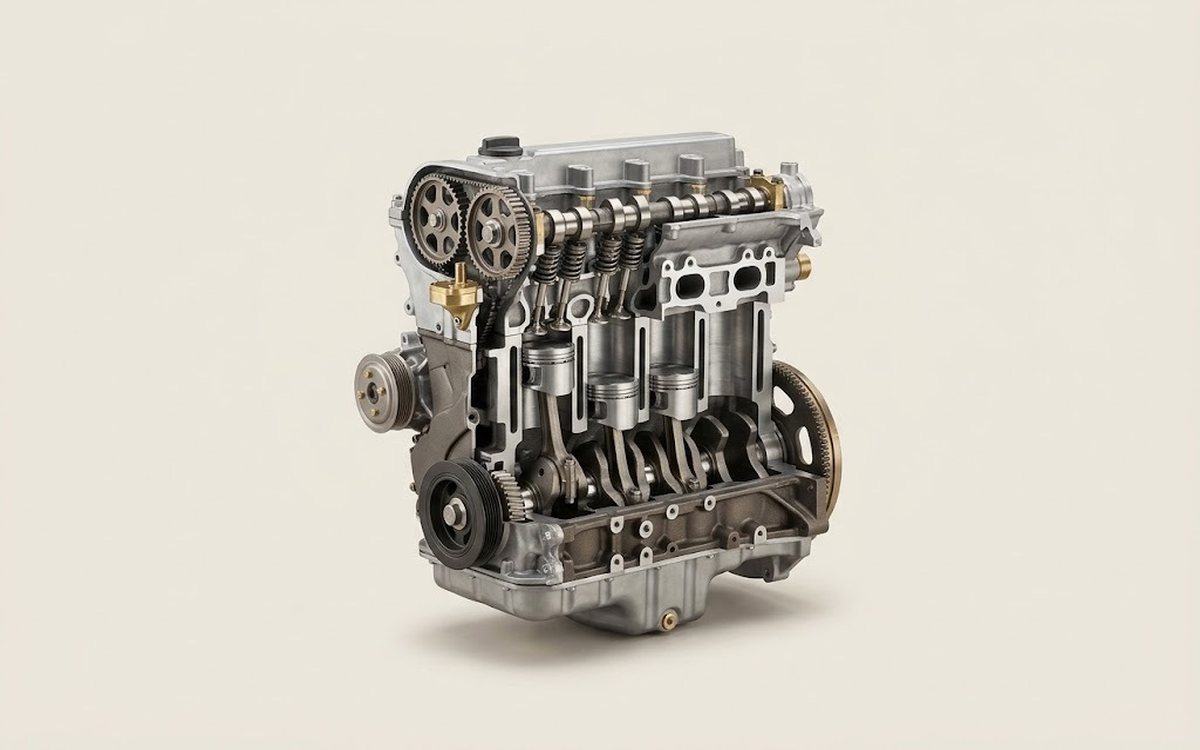 How it works · 3D
How a Car Engine Works
How the part you're working on actually works — in plain English, on a 3D model.
Open in 3D →
Spotted a mistake? Tell us →
Our articles
 Brand stories
The History of the Dodge Brand
Dodge is an automotive brand under the Chrysler umbrella. It has produced passenger cars as well as trucks, crossovers…
Read →
 Garage
Fuel Quality Indicators: What Octane and Cetane Numbers Mean
What is an octane number? What about a cetane number? Which fuel should you choose for a high-compression engine?…
Read →
 Before you buy
How to Pick Up Your Car from the Dealership the Right Way
If you've decided to buy a car from a dealership, it isn't enough to simply choose a model you like, pay for it, and…
Read →