https://autopapyrus.com/catalog/nissan/patrol/guides/engine-management-system-diagnostics/
Nissan Patrol TB45E (Y61, 2000): Engine Management System Diagnostics
The TB45E is equipped with an electronically controlled fuel injection system. The 2000 model year engine uses a 14-pin Consult connector (Nissan Consult-I) for diagnostics, a proprietary protocol that predates OBD-II. The diagnostic procedure includes two methods: reading codes manually from the flashing Check Engine light (basic diagnostics), or connecting a Consult scan tool for extended data.
Part
| № | Part |
|---|---|
| 01 | not required (diagnostic procedure)Find on Amazon → |
Amazon links search by the part name; use Amazon's fit check for your car before ordering. We may earn a commission from qualifying purchases.
Tools
2Read the codes yourself
A scanner plugged into the OBD2 port under the dashboard shows which fault codes the car has stored, before you buy any parts. Cars sold in the US from 1996, and petrol cars in Europe from 2001 (diesels from 2004), have this port.
- Basic code reader, about $20–40: reads and clears engine codes Amazon →
- Bluetooth scanner with a phone app, about $30–100: live sensor data, and on many cars ABS and airbag codes too Amazon →
Check that the scanner lists your make and model year before you buy. We may earn a commission from qualifying purchases.
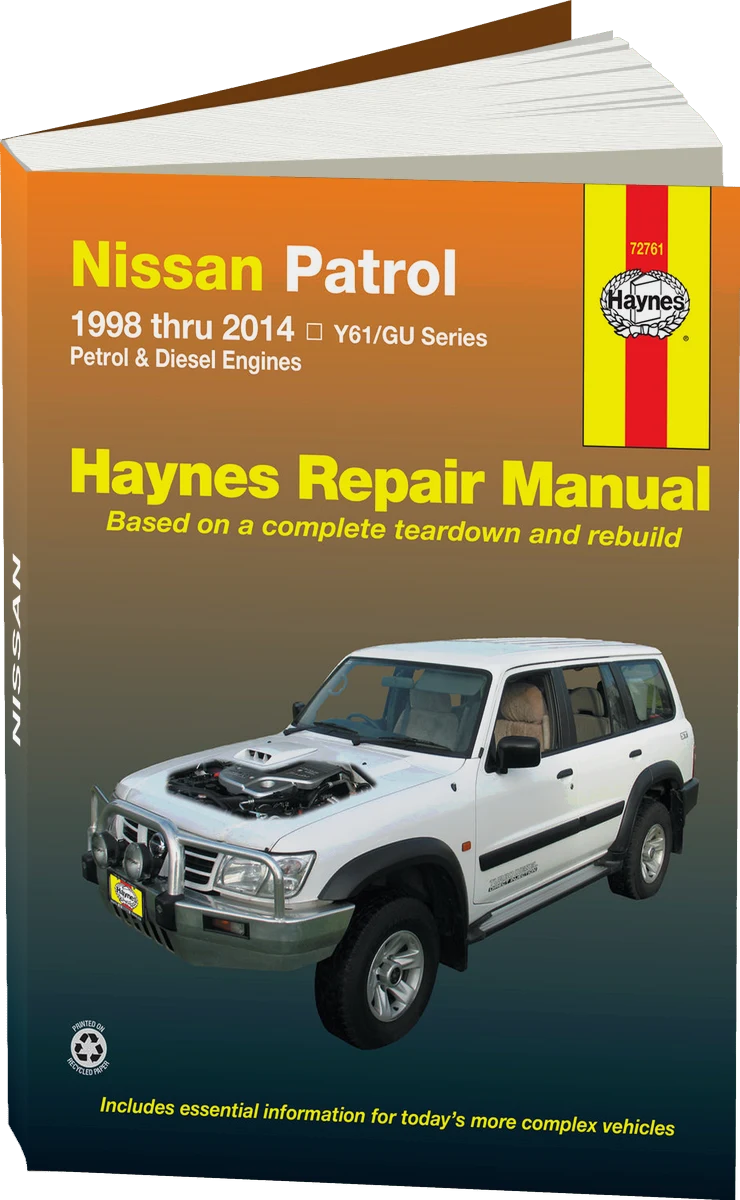 There's a full repair manual for this car
Every system, wiring diagrams and torque specs — not just this job. Haynes and 1 more.
See manuals →
Step by step
10 steps- Locate the diagnostic connector. It is a white 14-pin block under the instrument panel to the left of the steering column, near the fuse box or above the clutch pedal.
- Turn the ignition to the ON position (do NOT start the engine). Make sure the Check Engine light on the instrument cluster stays on continuously. This indicates the system is ready.
- Use a jumper (paper clip or piece of wire) to connect terminals 1 and 8 of the connector (lower left and lower right). The Check Engine light should go out within 1 second.
- Hold the jumper in place for at least 2 seconds, then remove it. The system will enter self-diagnosis mode, and the light will begin flashing out the trouble codes.
- Read the codes from the flashes. Each code consists of two groups of flashes, with a 2.1-second pause between codes. Long flashes (0.6 sec) are tens, and short flashes (0.3 sec) are ones. Example: code 12 = one long flash, a 0.9-second pause, then two short flashes. Code 0505 means no faults were found.
- Write down all the codes. Typical TB45E codes: 11 – crankshaft position sensor, 12 – mass air flow (MAF) sensor, 13 – engine coolant temperature sensor, 14 – vehicle speed sensor. For the full list of codes, see the manufacturer's service manual (codes in the 10-55 series).
- To clear the trouble codes after a repair: while the light is flashing (self-diagnosis mode), connect terminals 1 and 8 with the jumper again for 2 seconds, then remove it. The codes will be erased from the ECU memory.
- Alternative (if a scan tool is available): connect a Nissan Consult tool or a universal OBD-II scan tool that supports Consult-I to the connector. In the menu, select "Nissan," then "Patrol," then "TB45E." Functions: reading codes, clearing codes, real-time data streams (engine speed, temperature, sensor voltages), and ECU parameters.
- After reading the codes, check the corresponding sensors and circuits. Codes 11-14 indicate an open or short circuit in the wiring or a fault in the sensor itself. Check the connectors for corrosion, check the wires for continuity, and measure sensor resistance with a multimeter.
- If the Check Engine light does not respond when the terminals are connected, check the ECU circuit fuse (under-hood fuse box, 15 A), the diagnostic connector terminals, and the ECU ground on the engine block.
Common mistakes and warnings
- Do not jumper arbitrary terminals of the connector, only 1 and 8
- Shorting other pairs can damage the ECU
- If the codes point to multiple misfires or an oxygen sensor fault (codes 21-22), do not drive the vehicle for an extended period, because this will cause the catalytic converter to overheat
- Diagnosing secondary systems (automatic transmission, ABS, airbags) requires a professional Consult-II or Consult-III scan tool
Spotted a mistake? Tell us →
Our articles
 Brand stories
The History of Nissan
Over the course of 80 years, this Japanese automaker has come a long way and risen to become a leader of the global…
Read →
 Garage
Fuel Quality Indicators: What Octane and Cetane Numbers Mean
What is an octane number? What about a cetane number? Which fuel should you choose for a high-compression engine?…
Read →
 Before you buy
How to Pick Up Your Car from the Dealership the Right Way
If you've decided to buy a car from a dealership, it isn't enough to simply choose a model you like, pay for it, and…
Read →