Autopapyrus · Honda Civic (10th generation, FK)
https://autopapyrus.com/guides/honda/civic/anti-lock-brake-system-abs-diagnostics/
https://autopapyrus.com/guides/honda/civic/anti-lock-brake-system-abs-diagnostics/
Compiled automatically from service literature and owner experience. Specs are for the typical configuration — check them against your exact car before you start.
Honda Civic (10th generation, FK): Anti-lock Brake System (ABS) Diagnostics
On the Civic FK, ABS works together with the VSA (Vehicle Stability Assist) system, so when there is an ABS fault, both the ABS and VSA lights usually come on. The causes are most often simple: a dirty or damaged wheel speed sensor, broken wiring, low battery voltage, or a failing wheel bearing. Diagnosis goes from simple to complex: visual inspection first, then the scan tool, then electrical measurements.
Part
- 🔩 Depends on the diagnostic results. Typical candidates: wheel speed sensor (front or rear), tone ring (encoder ring) or wheel bearing with a magnetic ring, sensor wiring harness, ABS/VSA module fuse, brake fluid. Exact OE part numbers depend on the model version and trim, so identify parts by name
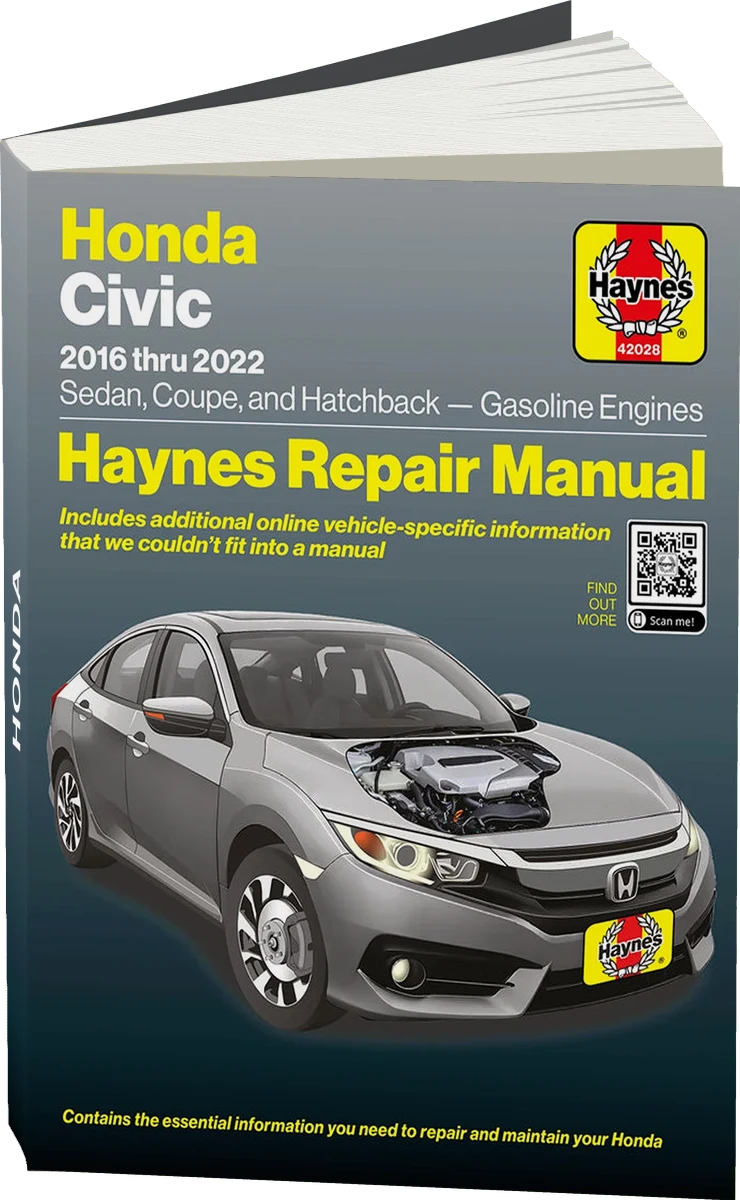 There's a full repair manual for this car
Every system, wiring diagrams and torque specs — not just this job. Haynes and 31 more.
See manuals →
Step by step
12 steps- Evaluate the symptoms. Note which lights are on (ABS, VSA, brake system) and under what conditions: constantly, after startup, or only while driving. Check the brake fluid level in the reservoir. A low level can mean worn brake pads or a leak.
- Check the battery and ground. With the engine off, the voltage should be about 12.4-12.7 V. A voltage drop often causes false ABS and VSA codes. Check the terminals and the ground connection.
- Check the ABS/VSA module fuses. Look for the layout diagram on the fuse box cover inside the cabin and on the under-hood fuse box. The relevant fuses are labeled ABS/VSA (motor and solenoids).
- Connect the scan tool to the diagnostic port under the dash on the driver's left side. Select the ABS/VSA module, not the engine. Read the codes, write them down, then clear them. If the light comes back on, the fault is persistent.
- Look at the live data. At slow speed, the speed of each wheel should match the others. A wheel whose speed drops out or jumps around points to the sensor, tone ring, or wiring.
- Raise the car on jack stands, remove the wheel at the problem corner, and inspect the speed sensor and harness. Look for broken or chafed wiring, chips on the sensor, and dirt or metal debris on the sensor tip.
- Clean the sensor mounting area and the sensor tip of dirt. Make sure the sensor is seated properly and the mounting bolt is not loose. Inspect the tone ring: it should not be damaged, rusty, or clogged with metal dust.
- Check the wheel bearing: rock the wheel and spin it. Play, humming, or grinding from the bearing distorts the sensor signal, and in that case the bearing assembly should be replaced.
- If you need to test the sensor with a multimeter, note that resistance differs between designs (there are both active sensors, which are powered, and passive ones). So compare the readings with a known-good sensor on the opposite side rather than with a reference figure. Also check the harness for a short to ground and for open circuits.
- If there are no codes but the ABS activates when it shouldn't, or the brakes "pulse" for no reason, check the brake fluid. Old fluid that has absorbed moisture degrades performance. The replacement interval and type (DOT 3 or DOT 4) are marked on the reservoir cap and in the owner's manual.
- Final test: on an empty road with good surface grip, brake firmly. The pedal should pulse slightly, and the ABS and VSA lights should go out. After the repair, clear the codes and take a test drive.
- If the ABS/VSA module (hydraulic unit) itself is faulty, check its connector for corrosion and look for leaks. Reprogramming or replacing the hydraulic unit and bleeding it require a specialized scan tool, so this is a job for a repair shop.
Common mistakes and warnings
- The brake system is critical for safety. If you are not confident in your abilities, take the car to a repair shop. With the ABS light on, the regular brakes still work, but without anti-lock function, so increase your following distance on slippery roads. If the red brake system light is on together with the ABS light, do not drive: there may be a fluid leak or loss of pressure. The rear wheels of the Civic may have an electric parking brake, and before working on the rear calipers it must be put into service mode according to the manufacturer's procedure. Do not disconnect the battery or unplug the module connectors with the ignition on.
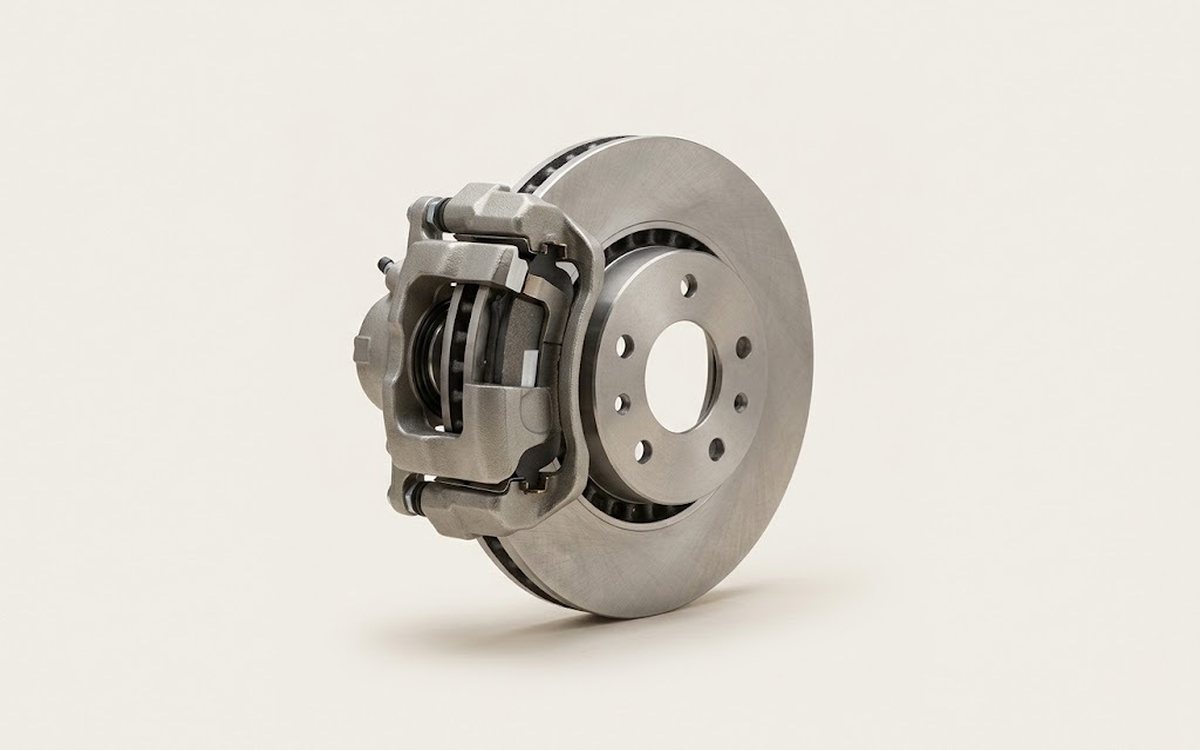 How it works · 3D
How Car Brakes Work
How the part you're working on actually works — in plain English, on a 3D model.
Open in 3D →