Car care & driving
How to Choose Summer Tires for Your Car
Autopapyrus
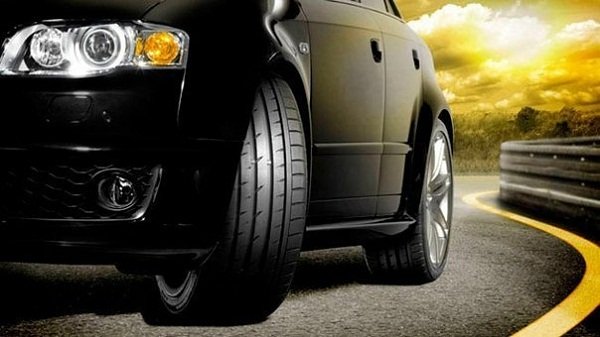
Spring is here, and most drivers are asking the same question: which tires should I get for the warm season? The market today is hugely varied, and drivers often struggle to choose and buy tires, even though they're sold practically everywhere. There are a great many tires out there, but the most common types are all-season, winter, and summer. You can tell them apart by tread pattern, construction, and rubber compound. Tires are often compared to shoes, which also come in summer, winter, and in-between versions. Nobody wears winter boots in July, and all-season footwear only works well in mild weather. But while shoes are made for comfort, tires are made for the safety of everyone in the car.
Your wheels touch the road, and the grip and condition of the rubber can decide whether your passengers stay safe. You might have a powerful engine, the latest transmission, or other high-quality components, but none of it matters if your wheels and tires are chosen poorly. That's why you should approach tire selection very seriously. Keep in mind that driving on summer tires in winter is dangerous, and the reverse is true as well. Manufacturers split tires into these categories for a reason.
Winter tires wear out much faster when temperatures stay above 45°F (7°C), and in summer they can't promise good grip on dry pavement. Above 68°F (20°C), during hard braking or a sharp turn, a winter tire gets so soft that it nearly smears across the road.
Summer tires use a harder, more durable compound because they have to work in hot conditions. The biggest difference between the two types is the chemical makeup of the rubber. The summer tread is also characterized by a pattern with fewer small transverse cuts (sipes), unlike winter tires. In short, summer tires are highly wear-resistant and well suited to fast driving. To choose the right tire size and type for your car, follow only the vehicle manufacturer's recommendations. You'll find all the approved tire sizes in your car's owner's manual. It also lists the maximum pressure to which the tires should be inflated. Follow the manual closely, since these are the manufacturer's recommendations, and ignoring them often leads to accidents and other unpleasant results.
If you install wide, taller-profile tires, be aware that this can throw off your speedometer reading and increase the load on the wheel bearings. Low-profile tires also affect speedometer accuracy and put extra stress on suspension components.
Summer tires are generally designed like this: the tread pattern is built for both wet and dry roads. To reduce hydroplaning, summer tires have few lateral grooves and pronounced longitudinal grooves that channel water away. The main advantage of summer tires is maximum grip on wet and dry pavement, which is why they lack the fine sipes typical of winter tires. Summer tires are also quiet, wear-resistant, and can handle high speeds.
Any manufacturer's summer tire lineup is usually much larger than its winter lineup. Summer tire designers consider not only the season but also the driver's driving style. When choosing tires, think about your own needs, and check the production date and how the tires were stored. Rubber tends to dry out and crack, especially if it has sat outside for a long time. Be aware that low-quality tires can be a problem, and low-profile tires in particular may bring unpleasant side effects: the ride becomes harsher, the wheel rim may get damaged, and the suspension takes a heavy load. Hitting even a small pothole could lead to costly repairs.
Larger tires have pros and cons too. The pluses include better acceleration and braking, excellent cornering even at high speed, and a large contact patch. The downsides are a high price, heavy weight (which makes them unsuitable for small, light cars), and a greater tendency to hydroplane.
What next