Car care & driving
How to Read Your Engine's Condition from Its Spark Plugs
Autopapyrus
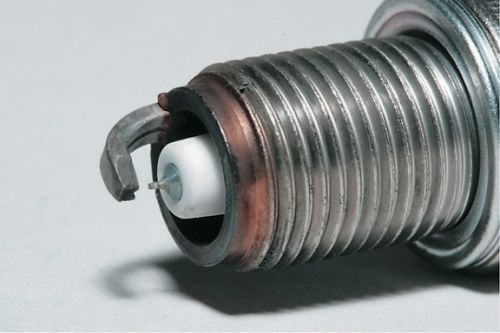
Sometimes a driver needs to catch a problem early, even though nothing seems wrong. One of the most effective ways to check an engine's condition is to look at the spark plugs. Their appearance can tell you a lot about the engine. In fact, it is often how the need for a major engine overhaul is first discovered.
So how can you tell what's going on with your engine from the look of the plugs?
You've pulled out a plug and the insulator tip around the center electrode is a natural light brown. There's no oil, carbon buildup, or other deposits on the plug. If so, congratulations: your engine is in good shape.
If the center electrode is covered in velvety black soot, the engine is burning too much fuel. This can be caused by a faulty carburetor, a clogged air filter, or a problem with the fuel injection system.
Is the electrode light in color, almost white? That may mean the air-fuel mixture is too lean. Running the engine like this can overheat the plugs and the combustion chamber. If your plugs look like this, you should seriously consider tracking down and fixing the cause.
A reddish deposit on the plug electrode indicates that the fuel contains too many metal-based additives. Over time this metal builds up on the plug, breaks down its insulation, and causes it to fail.
Many minor problems can be fixed yourself with the help of your car's owner's manual, but some failures require serious repair by qualified specialists.
If you pull a plug and find engine oil on its threaded section, the valve stem seals are most likely at fault. Another sign of this problem is the exhaust color, which takes on a gray-blue tint.
If one of the engine's cylinders has stopped working and its plug is coated with oil, unburned fuel, and other debris, that points to a serious failure, up to and including cylinder damage. If you don't act quickly, fuel consumption can rise several times over, and even bigger problems may follow. A missing center electrode, because it has broken off, can point to several different problems. Possible causes include prolonged, regular engine operation with knocking (detonation), use of low-octane fuel, overly advanced ignition timing, or simply a manufacturing defect. In any case, when an electrode breaks apart, the fragments can get lodged under an exhaust valve. If that happens, a major repair is unavoidable.
If you notice ash deposits on the plug electrode, the oil control piston rings are worn. That leads to higher oil consumption and other unpleasant effects.
Remember that the best way to keep your car in top condition is to catch problems early. Spark plugs let you do part of that diagnosis yourself every 10,000 km (about 6,000 miles). Check their condition regularly, and you may never have to dig through a repair manual. Whether you drive a Ford Mondeo or a Mercedes-AMG doesn't matter, because no car is immune to these failures.
Main Signs
So how can you tell what's going on with your engine from the look of the plugs?
You've pulled out a plug and the insulator tip around the center electrode is a natural light brown. There's no oil, carbon buildup, or other deposits on the plug. If so, congratulations: your engine is in good shape.
If the center electrode is covered in velvety black soot, the engine is burning too much fuel. This can be caused by a faulty carburetor, a clogged air filter, or a problem with the fuel injection system.
Is the electrode light in color, almost white? That may mean the air-fuel mixture is too lean. Running the engine like this can overheat the plugs and the combustion chamber. If your plugs look like this, you should seriously consider tracking down and fixing the cause.
A reddish deposit on the plug electrode indicates that the fuel contains too many metal-based additives. Over time this metal builds up on the plug, breaks down its insulation, and causes it to fail.
Signs of Serious Problems
Many minor problems can be fixed yourself with the help of your car's owner's manual, but some failures require serious repair by qualified specialists.
If you pull a plug and find engine oil on its threaded section, the valve stem seals are most likely at fault. Another sign of this problem is the exhaust color, which takes on a gray-blue tint.
If one of the engine's cylinders has stopped working and its plug is coated with oil, unburned fuel, and other debris, that points to a serious failure, up to and including cylinder damage. If you don't act quickly, fuel consumption can rise several times over, and even bigger problems may follow. A missing center electrode, because it has broken off, can point to several different problems. Possible causes include prolonged, regular engine operation with knocking (detonation), use of low-octane fuel, overly advanced ignition timing, or simply a manufacturing defect. In any case, when an electrode breaks apart, the fragments can get lodged under an exhaust valve. If that happens, a major repair is unavoidable.
If you notice ash deposits on the plug electrode, the oil control piston rings are worn. That leads to higher oil consumption and other unpleasant effects.
Remember that the best way to keep your car in top condition is to catch problems early. Spark plugs let you do part of that diagnosis yourself every 10,000 km (about 6,000 miles). Check their condition regularly, and you may never have to dig through a repair manual. Whether you drive a Ford Mondeo or a Mercedes-AMG doesn't matter, because no car is immune to these failures.
What next