https://autopapyrus.com/catalog/nissan/almera/guides/diagnosing-a-no-start-condition/
Nissan Almera 1.8 QG18DE (2005): Diagnosing a No-Start Condition
When the starter cranks the engine but it won't start, the problem lies in one of three systems: spark, fuel delivery or compression. On the Nissan Almera N16 with the QG18DE engine, typical causes are a failed crankshaft position sensor, low fuel pressure, flooded spark plugs or a fault in the NATS immobilizer.
Parts
5| № | Part | Genuine part no. |
|---|---|---|
| 01 | Crankshaft position sensordepending on diagnosisFind on Amazon → | |
| 02 | Camshaft position sensordepending on diagnosisFind on Amazon → | 23731-4M506 |
| 23731-AW400 | ||
| 03 | Spark plugs NGK BCPR5ES-11depending on diagnosisFind on Amazon → | 22401-8H514 |
| 22401-8H515 | ||
| 22401-8H516 | ||
| 04 | Fuel filterdepending on diagnosisFind on Amazon → | |
| 05 | Fuel pumpdepending on diagnosisFind on Amazon → | 17040-5M311 |
| 17040-BN805 | ||
| 17040-BN900 |
Amazon links search by the part name and genuine number; use Amazon's fit check for your car before ordering. We may earn a commission from qualifying purchases.
Part numbers are from the manufacturer's original catalogue. Check them against your VIN before ordering.
Tools
6Read the codes yourself
A scanner plugged into the OBD2 port under the dashboard shows which fault codes the car has stored, before you buy any parts. Cars sold in the US from 1996, and petrol cars in Europe from 2001 (diesels from 2004), have this port.
- Basic code reader, about $20–40: reads and clears engine codes Amazon →
- Bluetooth scanner with a phone app, about $30–100: live sensor data, and on many cars ABS and airbag codes too Amazon →
Check that the scanner lists your make and model year before you buy. We may earn a commission from qualifying purchases.
 There's a full repair manual for this car
Every system, wiring diagrams and torque specs — not just this job. Haynes and 3 more.
See manuals →
Step by step
11 steps- Check the immobilizer indicator on the instrument panel. When you turn the ignition on, the light should go out after 1-2 seconds. If it keeps flashing, the immobilizer doesn't recognize the key. A common cause on the N16 is a loose immobilizer antenna around the ignition lock, or a key whose chip has been lost. Remove the steering column trim, check the antenna connector and clean the contacts.
- Remove one spark plug and inspect the electrode. If the plug is wet with gasoline, fuel is being delivered and the problem is spark or compression. If the plug is dry, no fuel is reaching the cylinders.
- Check for spark. Remove a spark plug and fit it into the spark plug wire (or the ignition coil, if it's an individual-coil design). Rest the plug's threads against an engine ground point and have a helper crank the engine with the starter. You should see a strong blue spark. No spark means a problem in the ignition system or the timing sensors.
- Connect an OBD scanner and read the trouble codes. Codes P0335 (crankshaft position sensor) or P0340 (camshaft position sensor) point to a failed timing sensor. Without their signal, the ECU will not command fuel injection or spark.
- Check the crankshaft position sensor. On the QG18DE it is on the rear wall of the cylinder block, about 15 cm above the starter, and is reached from under the car. Disconnect the sensor connector (release the locking tab) and use a multimeter to measure the resistance between the sensor's two terminals. It should be 480-580 ohms at room temperature. A reading outside this range, or an open circuit, means the sensor is faulty. To replace it, remove the 10 mm or 13 mm mounting bolt and pull the sensor out of its bore.
- Check the fuel pressure. Connect the gauge to the test port on the fuel rail (if equipped), or install a T-fitting in the supply line ahead of the rail. Turn the ignition on and the pump should build pressure. On the QG18DE, normal pressure at idle is about 2.8-3.0 bar (280-300 kPa), rising to 4-5 bar under load. Pressure below 2 bar points to a weak pump, a clogged filter or a faulty pressure regulator.
- Listen for the fuel pump. When you turn the ignition on, you should hear the pump hum in the tank, from the area of the rear seat, for 2-3 seconds. If you don't hear it, check the fuel pump relay and fuse in the fuse/relay box under the hood, and test the wiring to the tank.
- Do a fuel injection test. Remove the air intake duct from the throttle body and spray a little carburetor cleaner, or gasoline from a syringe, into the intake manifold, then try to start the engine. If the engine catches and then stalls, the problem is fuel delivery (pump, filter, injectors). If it doesn't respond at all, the problem is spark or compression.
- Check the condition of the timing belt (on the QG18DE it is a chain). Remove the timing chain cover (the upper plastic cover at the front of the engine) and inspect the chain tension. A stretched chain throws the crankshaft and camshaft out of sync. The sensors may then give conflicting signals, and the ECU will block starting. A typical sign is code P0335 with sensors that test good.
- Check compression if the previous steps haven't found the problem. Remove all the spark plugs, screw a compression gauge into the first cylinder, open the throttle fully and crank the engine with the starter for 5-6 revolutions. Repeat for every cylinder. Normal compression on the QG18DE is 11-13 bar, with no more than 1-1.5 bar difference between cylinders. Low compression (below 8 bar) or a large variation means worn pistons and rings, burnt valves or a blown cylinder head gasket.
- Check the wiring between the air filter and the left strut tower, a known N16 problem area. The wire to the ignition switch contact group runs through this area, and if its insulation chafes through, the ignition power circuit can break.
Common mistakes and warnings
- When connecting a gauge to the fuel system, observe fire safety precautions
- Pressurized gasoline ignites easily
- Relieve the residual pressure before disconnecting any lines, and wrap the fittings in a rag
- If the diagnosis shows low compression, the engine needs a major overhaul, so take it to a repair shop
Spotted a mistake? Tell us →
Our articles
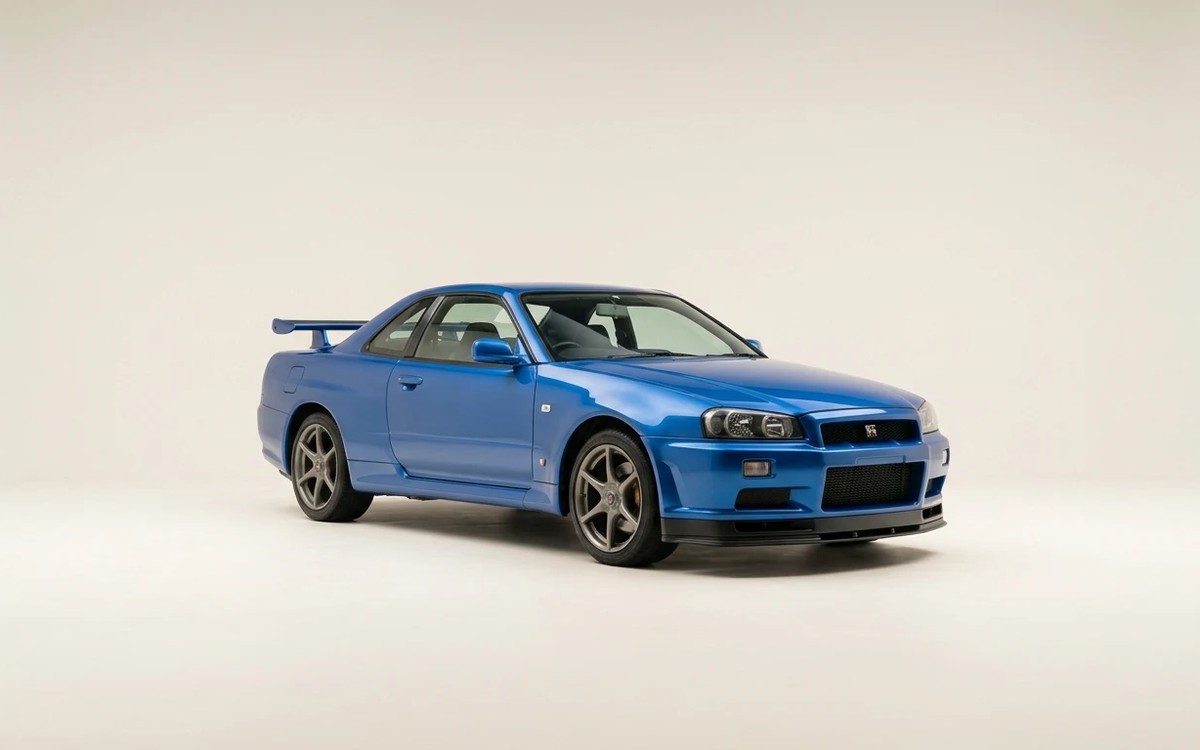 Brand stories
The History of Nissan
Over the course of 80 years, this Japanese automaker has come a long way and risen to become a leader of the global…
Read →
 Garage
Fuel Quality Indicators: What Octane and Cetane Numbers Mean
What is an octane number? What about a cetane number? Which fuel should you choose for a high-compression engine?…
Read →
 Before you buy
How to Pick Up Your Car from the Dealership the Right Way
If you've decided to buy a car from a dealership, it isn't enough to simply choose a model you like, pay for it, and…
Read →