Car care & driving
Hood and Window Deflectors: Protection and a Stylish Accessory
Autopapyrus
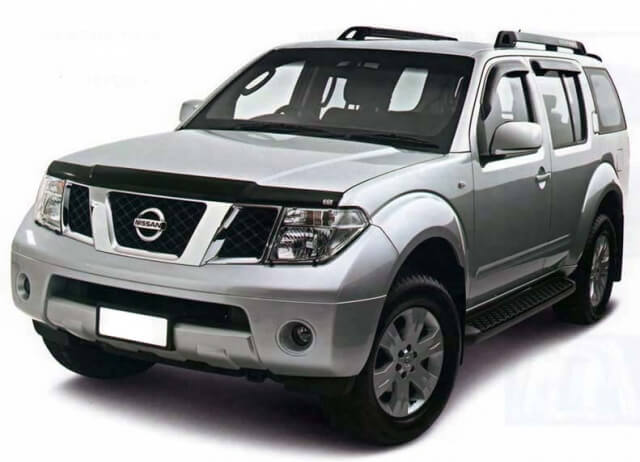
Once a driver becomes a car owner, they start taking great care of it. Wanting to keep the car looking showroom-fresh for as long as possible, owners practically blow the dust off every part of a brand-new vehicle. However, even strict adherence to storage guidelines, careful following of the instructions in the owner's manual, and regular cleaning won't protect the paint from small bits of debris and dust, which scratch the hood as the oncoming wind carries them across it. In addition, when you drive with the windows down, dirt gets into the cabin and damages the interior trim.
To avoid these problems, you can fit your car with special accessories that deflect the dust particles carried by the wind. These parts are called hood and window deflectors, and you can buy them at any auto parts store.
The design of these "deflectors" is quite simple. A deflector is a protective plastic shield mounted on the part of the body that first meets the oncoming airflow. The deflected stream of air then flows around the rest of the car. Deflectors also keep oncoming dust out of the cabin, where it would otherwise settle into the seats and blow into the faces of the driver and passengers. The protective effect comes from the deflector's aerodynamic shape combined with a reasonably high vehicle speed. This raises an obvious question: why don't automakers install deflectors themselves? The answer is simple. Although these parts have a positive effect on the condition of the body, they slightly raise your running costs. Once the extra plastic is fitted, the car's shape becomes less streamlined, which increases its aerodynamic drag. That added load increases fuel consumption, so manufacturers leave the decision to install deflectors up to the buyer.
A hood deflector can also work as a spoiler, pressing the wheels more firmly onto the road. This raises fuel consumption a bit more, but it also improves handling.
Installing Deflectors
Any car enthusiast knows that fitting deflectors (also called wind deflectors or vent visors) gives a car a personal touch and makes it stand out from the traffic, while also protecting it from many everyday road annoyances. Deflectors are installed on the hood and the windows, and they are made specifically for each vehicle model.
Window deflectors come in a wide variety of designs and a rich range of colors. A hood deflector not only changes the look of the vehicle but also gives it a sleeker, sportier appearance. So what do deflectors actually do?
Hood deflectors help prevent damage to the windshield and body, and they also serve as a decorative touch. Window deflectors redirect the airflow and create calm zones next to the side windows, shielding the faces of passengers from wind and road dust. The effect becomes more noticeable at higher speeds. Fitting deflectors on the windows promotes proper air circulation in the cabin, acting as a simple alternative to a complex climate control system. Window deflectors are installed either under the door seal, tucked beneath the rubber weatherstripping, or attached with double-sided tape. In the latter case, before installation you should degrease the mounting area with an alcohol wipe and warm it with a heat gun or hair dryer so the adhesive bonds more securely. Installing a hood deflector requires special mounting hardware and a Phillips screwdriver. The material deflectors are made from is usually very durable, so it protects the glass and hood well from dirt, small debris, and stones.
For more detailed information on installing a deflector or other accessories on your car, consult the repair manual or owner's manual for your specific model.
What next