Before you buy
Ranking of Rankings: Why One Car Is Both the Best and the Worst
J.D. Power, the German TUV, Consumer Reports and Russian insurers disagree. Using Lexus, Tesla Model Y, Mazda 2 and Volkswagen we show what each ranking counts and how to read them.
Nov 01, 2026 · 7 min read · Autopapyrus
One and the same car can be the best in one ranking and the last in another. Lexus is considered one of the most reliable brands in the world, and it is also among the leaders of the Russian car-theft anti-ranking. The Tesla Model Y is called the most reliable electric car, yet in the German inspection report it is last of 110. The rankings do not lie, they simply measure different things. We went through what each one counts and how not to be misled when choosing a car.
In short
| Ranking | What it measures | What it misses |
|---|---|---|
| J.D. Power (USA) | Complaints from owners of three-year-old cars: problems per 100 vehicles, including infotainment glitches | Wear the owner did not notice; cars older than three years |
| TÜV Report (Germany) | Share of cars with significant defects at inspection, about 9.5 million inspections | Minor annoyances, electronics and complaints that do not stop a car passing |
| Consumer Reports (USA) | Overall brand score: a survey of about 380,000 vehicles, road tests, safety, owner satisfaction | Your particular car: it is a brand average |
| Russian insurers | Thefts among cars insured with comprehensive cover | Everything not insured; according to the National Automobile Union the real picture is different |
Four yardsticks: what is counted and how
J.D. Power asks owners of three-year-old cars in the US how many problems they had per 100 vehicles. Everything counts, from serious faults to a glitchy screen. Lower is better. In the 2026 study the industry average was 204, the highest since 2022.
The German TÜV looks at something else: real inspections. The TÜV Report 2026 covers almost 9.5 million checks and counts the share of cars with significant defects. These are not owner complaints but what an inspector found: suspension and brakes.
Consumer Reports combines everything: a survey of about 380,000 vehicles, its own road tests, safety ratings and owner satisfaction.
Russian insurers count thefts, but only among cars insured with comprehensive cover. The National Automobile Union says directly that such statistics have little to do with the real situation.
Lexus: hero and victim
In J.D. Power 2026 Lexus is first among all brands with 151 problems per 100 vehicles. The best model in the study is the Lexus IS sedan. In Consumer Reports Lexus is sixth overall, also in the top ten.
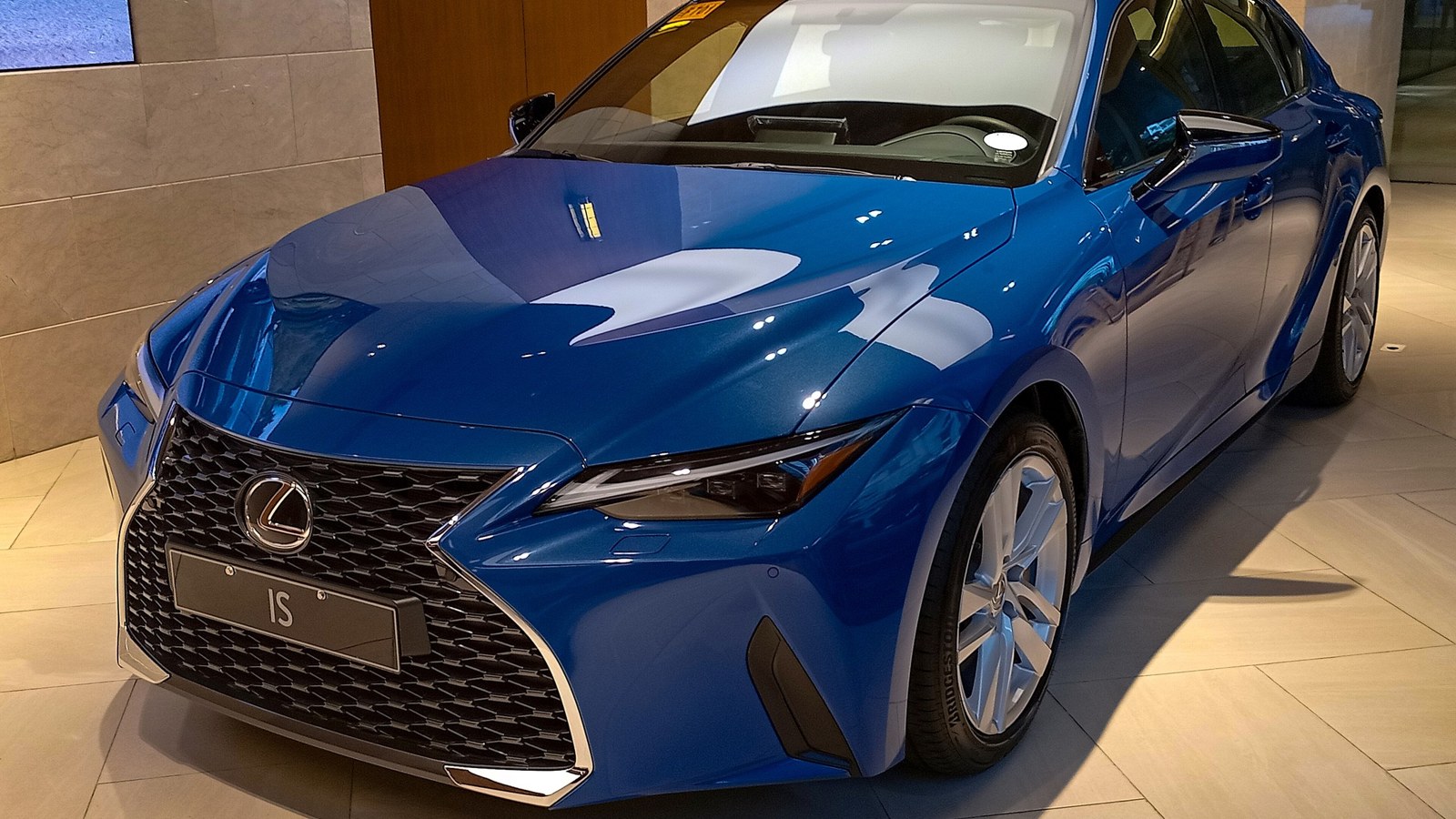
Lexus IS. Photo by Ethan Llamas, CC BY-SA 4.0 (Wikimedia Commons).
And here is the Russian page of the same story. The insurer Soglasie names Lexus and the Chinese Tank as leaders of its premium-segment theft anti-ranking, with the Lexus LX 570 and Tank 500 stolen most often. Renaissance Insurance also mentions Lexus, and RESO's list includes the Lexus RX.
A paradox? We think not. A reliable car lives long and holds its value on the used market, which is exactly what a thief wants. A quality ranking and a theft ranking answer different questions.
Tesla Model Y: best and worst
Consumer Reports calls the Model Y the most reliable electric car, and Tesla entered the top ten brands for the first time. In the TÜV Report 2026, among cars aged two to three years the Model Y is last of 110: 17.3% with significant defects. The Model 3 has 13.1%.
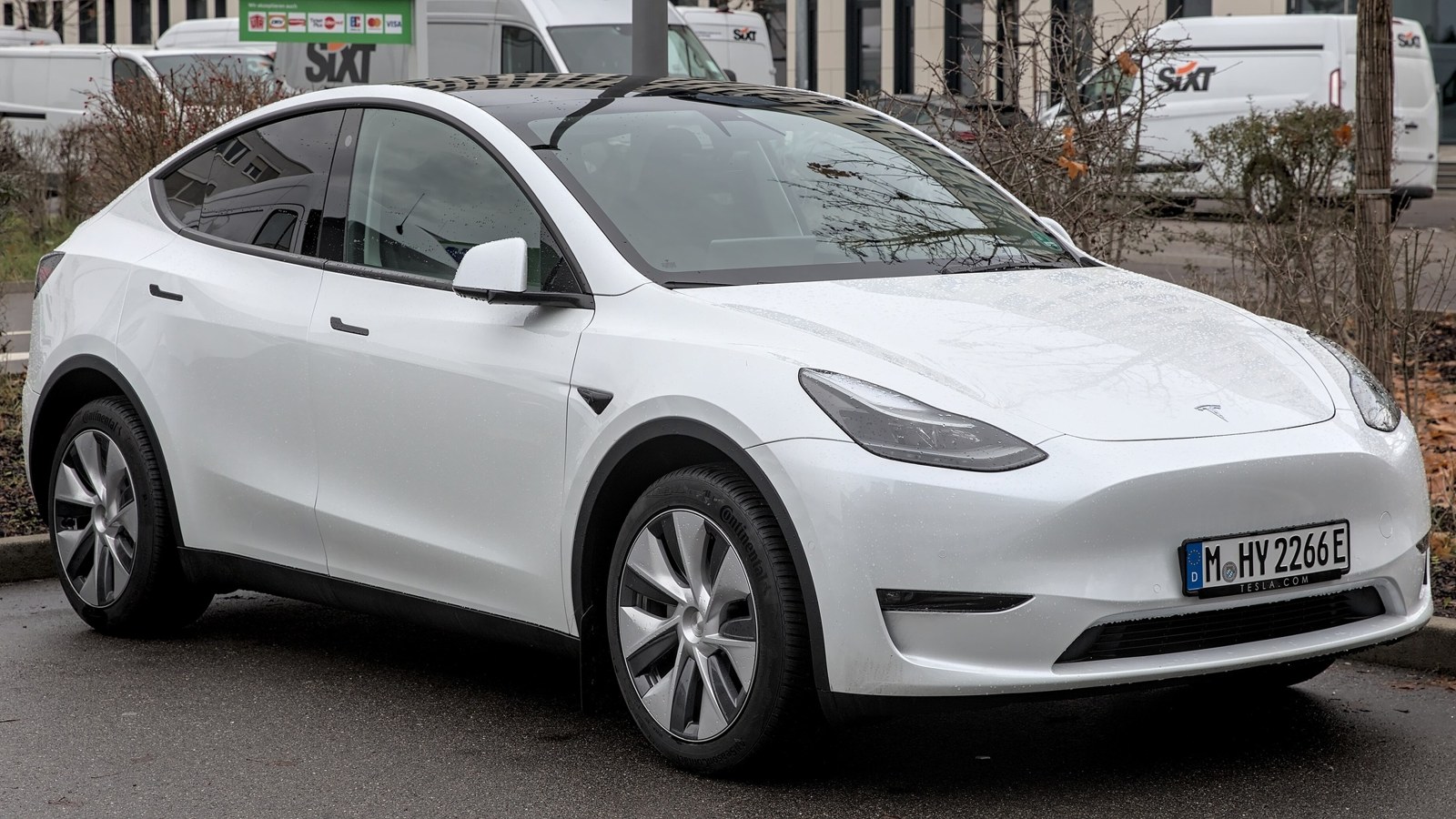
Tesla Model Y. Photo by Alexander Migl, CC BY-SA 4.0 (Wikimedia Commons).
Who is right? We think both. TÜV catches what an inspector sees: wear of the suspension and brake discs. A heavy electric car loads its suspension hard, and with regenerative braking the discs are used rarely, and inspectors find defects on them. An owner survey does not ask about that: the car drives, so everything is fine. On top of that, a Tesla covers on average more than 50,000 km in three years, almost twice as much as small cars, and the more you drive, the more wear shows at inspection.
The overall picture for electric cars is mixed. According to Consumer Reports, EVs and plug-in hybrids have about 80% more problems than petrol cars, while ordinary hybrids have about 15% fewer. Yet in the same TÜV report the best electric car, the Mini Cooper SE, scored 3.5%.
Mazda 2: the winner with a twin
The winner of the TÜV Report 2026 is the Mazda 2 at 2.9%, the lowest among all cars checked. But it is the Mazda 2 Hybrid, which is essentially a Toyota Yaris Hybrid with a different badge: it is built at Toyota's plant in France and differs mainly in the emblem.
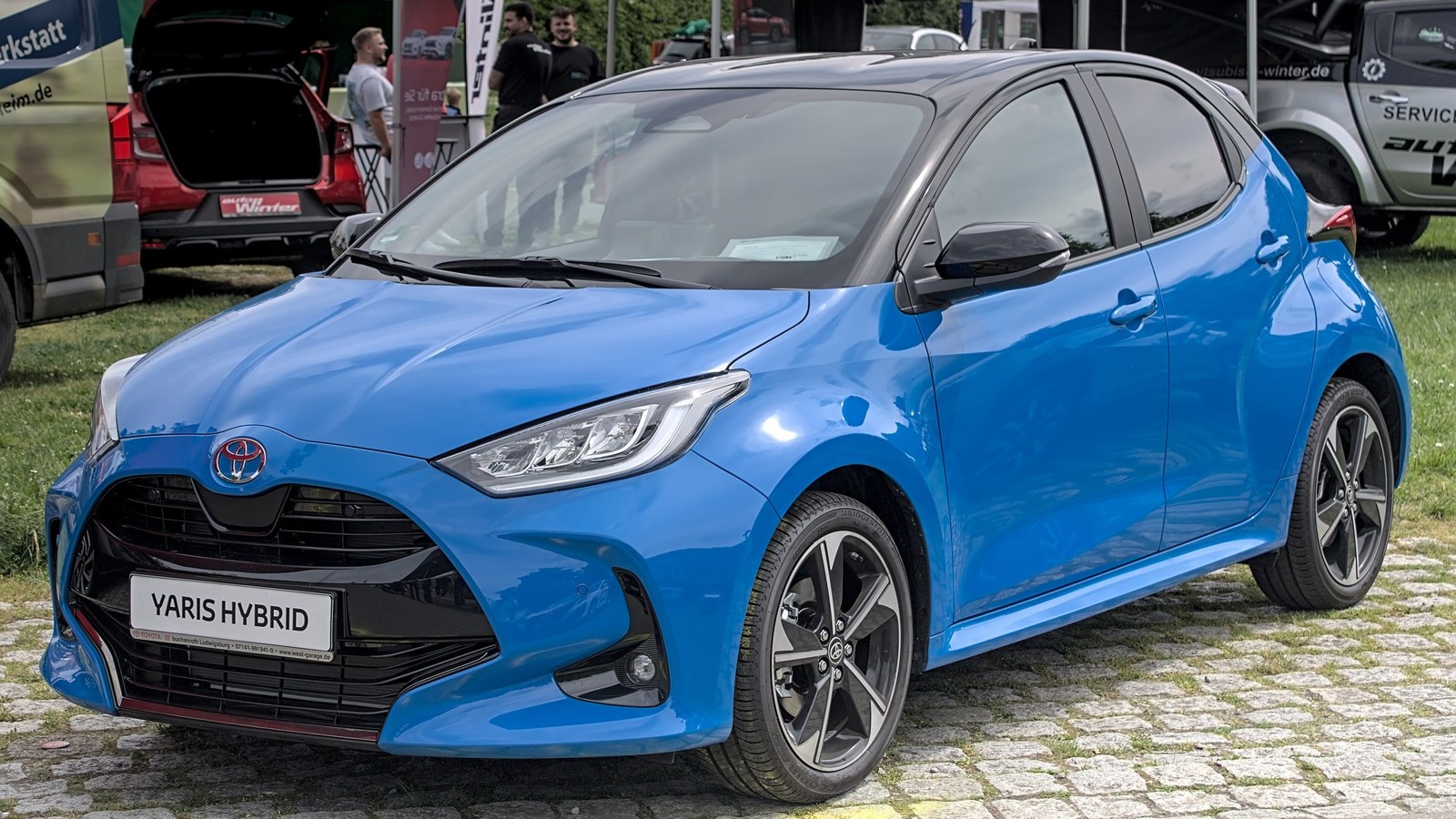
Toyota Yaris Hybrid. Photo by Alexander-93, CC BY-SA 4.0 (Wikimedia Commons).
And Consumer Reports names Toyota as the most reliable brand of its survey, for the first time since 2022. Has the circle closed? Not quite. In J.D. Power Toyota is only eighth (185), and Subaru, first overall in Consumer Reports, is sixth at J.D. Power. No brand is first everywhere.
The Germans: worst and best at once
In J.D. Power Volkswagen is last: 301. Mercedes is among the six worst, 235. Yet in the TÜV review, according to German media, the Mercedes B-Class and Volkswagen T-Roc are second and third among all cars, at 3.0% each. The T-Roc wins the 4-5 and 6-7 year classes, the B-Class the 10-11 year class.
How does that happen? We think so: J.D. Power counts any complaint, including temperamental electronics, which German cars are known for. TÜV looks only at what can fail an inspection.
Jeep, on the other hand, is criticised everywhere: last in Consumer Reports for the third year in a row and fourth from the bottom in J.D. Power (267). When rankings agree with each other, you can trust them.
Russia: which cars get stolen
There is no single ranking of stolen cars in Russia; each insurer names its own. Absolut names Changan, Geely and Omoda. RESO names the Chery Tiggo 7 Pro Max, Geely Monjaro and Haval Jolion. Renaissance names the Belgee X70, Geely Tugella and the same Jolion. And Sovcombank, on the contrary, names the Lada Granta and Nissan Murano.
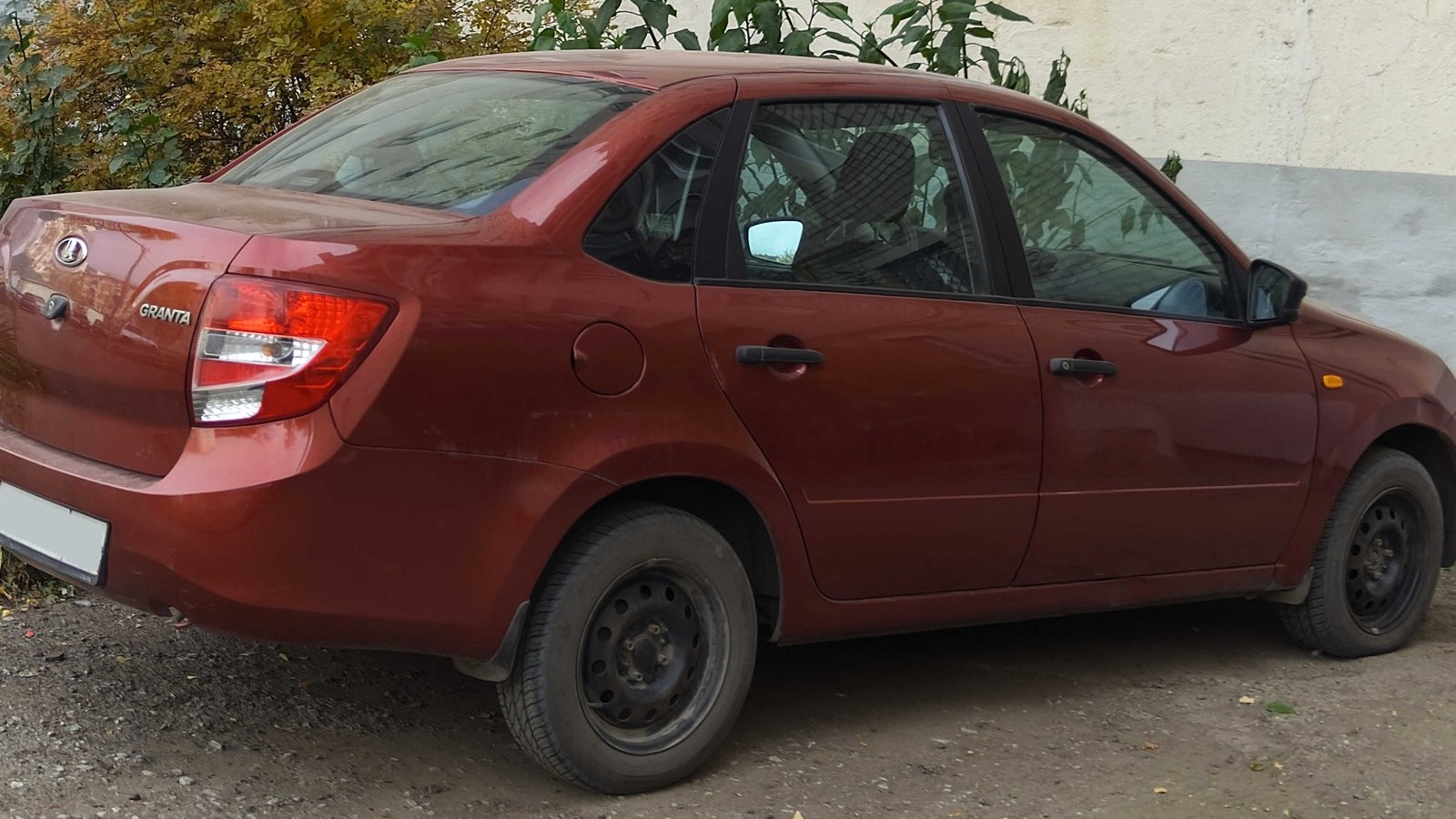
Lada Granta. Photo by Throwawayacc222, CC0 (Wikimedia Commons).
The National Automobile Union says otherwise: in reality first place for thefts belongs to Lada, then the Ford Focus or Hyundai Solaris. Insurers simply see only comprehensive-cover policies.
Why does Soglasie not see thieves' interest in Chinese cars? Because their parts lose 50 to 70% of their value on the used market, so stealing them is not worth it. And some good news: thefts are becoming fewer. Renaissance reports a drop of more than 10% in the third quarter. About 90% of its thefts happen in Moscow and St Petersburg.
How to read rankings: five rules
- Look at what is measured. Owner complaints, inspection and theft answer different questions.
- Look for agreement. If a car is bad in several rankings at once, like Jeep, that is a signal. If rankings argue, like with Tesla, the answer depends on your task.
- Look at age. J.D. Power is three years. TÜV shows how things change: significant defects in 6% of three-year-old cars and already 23% of ten-year-old ones.
- Remember the market. The American ranking is about American trims, the German one about German inspections, Russian thefts about cars insured with comprehensive cover.
- For your country the best ranking is your mechanic and the history of the specific car. No overall score replaces a diagnosis before buying.
Bottom line
So which ranking to trust? It is up to you. Tell us in the comments under the video: 1 J.D. Power, 2 TÜV, 3 Consumer Reports, 4 insurers. We will count the votes and report in the next episode.
Data: J.D. Power Vehicle Dependability Study 2026, TÜV Report 2026 (published 20 November 2025, about 9.5 million inspections), Consumer Reports Annual Auto Brand Report Card 2026, statements of Russian insurers for 2026. The figures of different rankings are not directly comparable: each has its own methodology. Photos: Wikimedia Commons: Ethan Llamas, Alexander Migl, Alexander-93 (CC BY-SA 4.0), Throwawayacc222 (CC0) and other authors listed in the video description.
What next