Car news
Used Haval Jolion: What Breaks and When — 5 Checks Before Buying
Autopapyrus
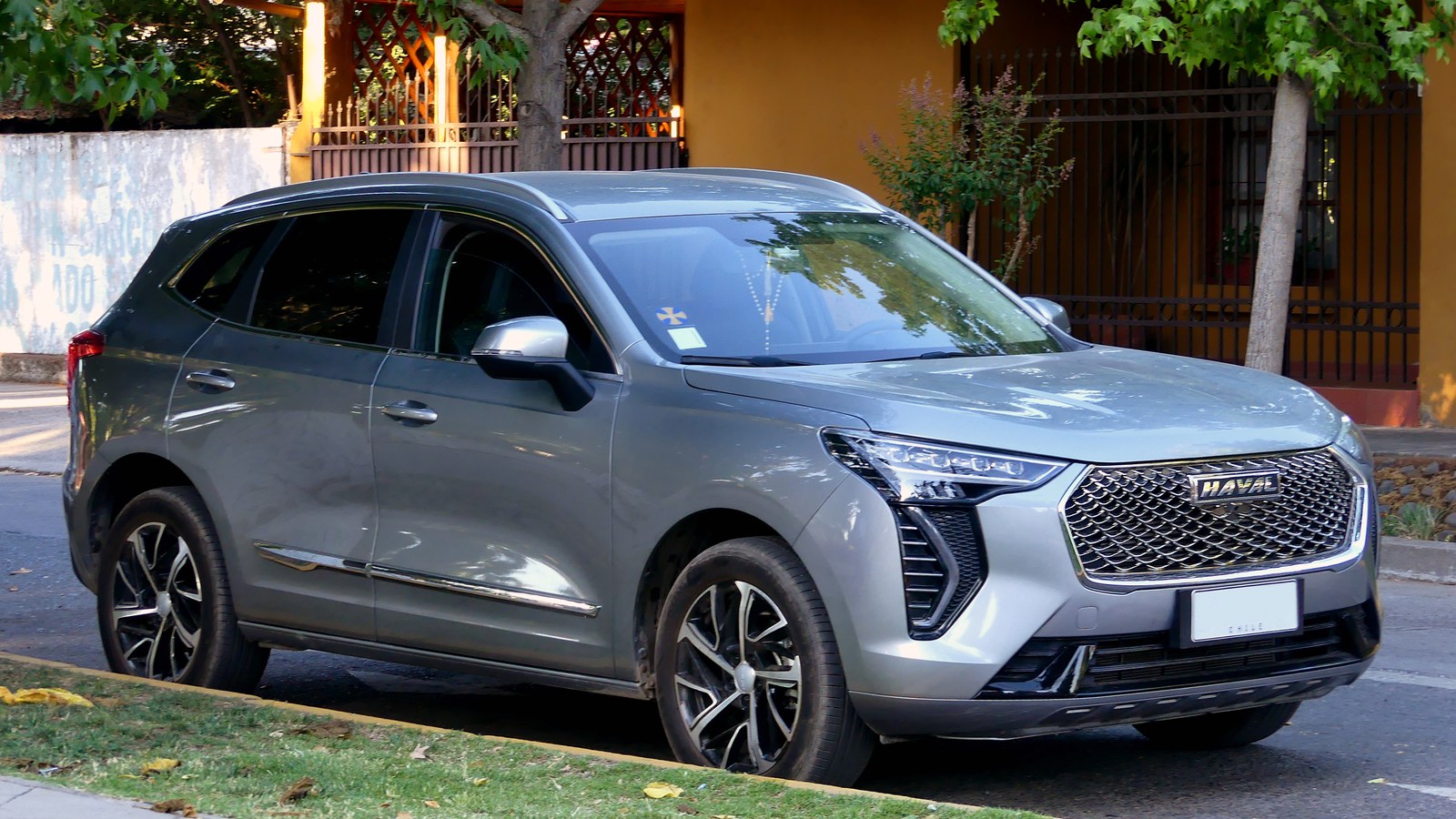
The Haval Jolion is one of the most common Chinese crossovers on the Russian market, and there are plenty of used ones. It has no disastrous flaws, but there are enough small issues, and almost all of them show up before 100,000 km. Here is what breaks and when, and what to check before you pay.
In short: the weak points of the Haval Jolion
The Haval Jolion has no disastrous flaws, but there are enough small issues, and most of them show up before 100,000 km. Service-life figures here are expert estimates, not manufacturer promises: the maker does not publish official life figures. The newer the car, the better; the calmest version is front-wheel drive with the manual gearbox.
Two engines, two different stories
| Front-wheel drive | All-wheel drive | |
|---|---|---|
| Engine | 1.5T, 143 hp, code GW4G15K | 1.5T, 150 hp, code 4B15D |
| Estimated life | 230,000–260,000 km | about 200,000 km |
| Weak points | stuck piston rings and oil consumption (before 100,000 km); after 100,000: timing chain, engine mounts, turbocharger | carbon deposits on intake valves (direct injection), a whistle from under the hood (turbo impeller deformed by a defective pipe), oxygen sensors and the fuel pump |
On the front-wheel-drive engine the valves are adjusted roughly every 90,000 km, and the chain needs attention at about the same mileage. The turbo pipes were redesigned under warranty twice.
When what breaks: a mileage scale
| Mileage | What usually appears |
|---|---|
| 50,000–80,000 km | robotic gearbox jerks (fixed by adaptation and a software update), cabin squeaks |
| 60,000–90,000 km | clutch wear on the manual |
| 70,000–90,000 km | on the all-wheel-drive version the rear differential seal may leak |
| about 100,000 km | timing chain, oil consumption, front suspension, tie-rod ends |
| 230,000–260,000 km | benchmark life of the front-wheel-drive engine |
| about 300,000 km | benchmark life of the robotic gearbox with timely oil changes |
Gearbox
Almost every Jolion has the 7DCT450 dual-clutch gearbox with two wet clutches. The clutch, mechatronics and final drive share one oil bath, so we advise changing its oil every 30,000–40,000 km, more often than the schedule says. With that care it can last about 300,000 km. The 6MF22B manual is sturdy itself, but its clutch may wear out at 60,000–90,000 km.
Body and electrics
The paint is thin: after three to five winters it may blister, and chrome trim has often been replaced under warranty. The underbody protection is partial and there are many technological holes, so rustproofing is best done right away. In the electrics the weak spot is connectors: in wet weather a relay can stop the engine from starting, and wiring harnesses in the engine bay and doors chafe. The infotainment and cameras sometimes glitch but usually a reboot fixes it.
Suspension and brakes
The front suspension is usually rebuilt at about 100,000 km, sooner on bad roads: stabilizer bushings and links, shock absorbers with mounts, ball joints and wheel bearings. Brake pads wear fast, sometimes lasting only 20,000 km, and the soft discs rarely outlive a second set.
Five checks before buying
- Oil consumption. Cold start, dipstick before and after a drive.
- Chain and valves. Any noise after 100,000 km, and when the clearances were last adjusted.
- Gearbox from cold. No jerks when shifting.
- Gearbox oil. Was it changed every 30,000–40,000 km.
- Paint and connectors. Wheel arches, sills, and starting in wet weather.
Photos: Wikimedia Commons (RL GNZLZ, JustAnotherCarDesigner, Anonymousfox36 — CC BY-SA; Jason Lawrence — CC BY).
What next