Autopapyrus · Ford Focus 2.0 Zetec EDDB (2004)
https://autopapyrus.com/catalog/ford/focus/guides/lubrication-system-maintenance-oil-and-filter-change/
https://autopapyrus.com/catalog/ford/focus/guides/lubrication-system-maintenance-oil-and-filter-change/
Compiled automatically from service literature and owner experience. Specs are for the typical configuration — check them against your exact car before you start.
Ford Focus 2.0 Zetec EDDB (2004): Lubrication System Maintenance (Oil and Filter Change)
Lubrication system maintenance on the 2.0 Zetec means changing the oil and filter, plus checking the oil level, pressure and leaks. The Ford factory interval for this series is up to 15,000 km or once a year. With city driving and frequent short trips, it is wiser to change the oil every 8,000-10,000 km. The engine uses a timing belt, so there are no timing chain or tensioner issues in the oil circuit.
Parts
3| № | Part | Genuine part no. | Alternatives |
|---|---|---|---|
| 01 | Engine oil SAE 5W-30, Ford WSS-M2C913-Babout 4.3 L (4.5 qt) including filterFind on Amazon → | ||
| 02 | Oil filter for Zetec 2.0Find on Amazon → | 1119421 | AlternativesMannFiltronBoschFord |
| 03 | Drain plug sealing washerFind on Amazon → |
Amazon links search by the part name and genuine number; use Amazon's fit check for your car before ordering. We may earn a commission from qualifying purchases.
Part numbers are from the manufacturer's original catalogue. Check them against your VIN before ordering.
Tools
7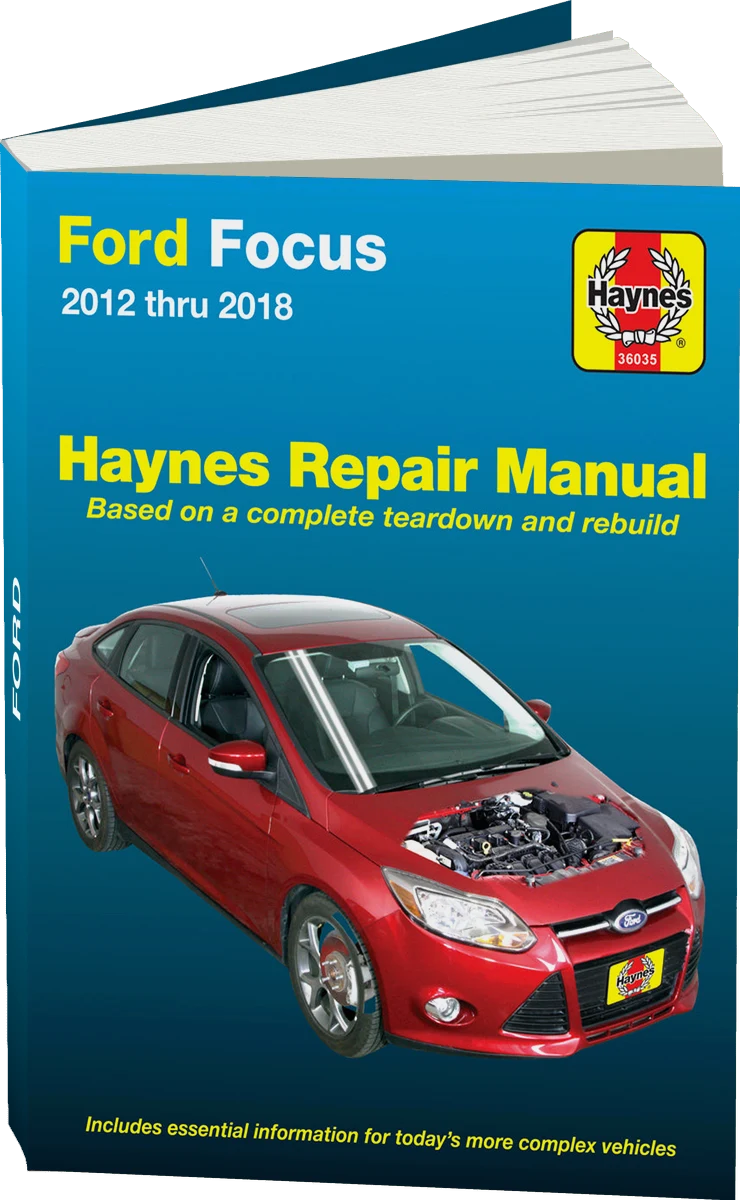 There's a full repair manual for this car
Every system, wiring diagrams and torque specs — not just this job. Haynes and 25 more.
See manuals →
Step by step
13 steps- Warm up the engine for 5-10 minutes so the oil thins out and carries suspended contaminants with it. Shut off the engine, park the car on level ground and wait 5 minutes.
- Raise the front of the car on jack stands or drive it over a service pit. If the underside has an engine skid plate, remove it.
- Open the oil filler cap on the valve cover. This speeds up draining and prevents a vacuum from forming.
- Position the drain pan and remove the oil pan drain plug. The oil is hot, so be careful. Let it drain for 10-15 minutes.
- Inspect the drain plug and the threads in the oil pan. Replace the sealing washer. Install the plug with moderate force, about 20-30 N·m (15-22 lb-ft) (verify the exact value in the service manual). Do not overtighten: the oil pan is thin and the threads strip easily.
- Remove the oil filter with a filter wrench, keeping the pan underneath, since oil will spill out of it. Make sure the old rubber gasket came off with the filter and did not stick to the mounting surface.
- Wipe the mounting surface and lubricate the gasket of the new filter with clean oil. Thread the filter on by hand until the gasket touches the surface, then tighten about 3/4 of a turn further. Do not tighten it with a wrench.
- Pour in about 3.8-4 L (4.0-4.2 qt) of oil, wait a minute, and check the level with the dipstick. Top up to the MAX mark, but not above it. The total capacity with the filter is about 4.3 L (4.5 qt).
- Close the filler cap and start the engine. The oil pressure light should go out within 1-2 seconds after startup. Let the engine run for 1-2 minutes and check the filter and drain plug for leaks.
- Shut off the engine, wait 5 minutes and recheck the level with the dipstick. Top up if necessary.
- Check the crankcase ventilation system: the breather hose and the valve on the valve cover must be intact and not clogged. A clogged ventilation system causes oil leaks at the seals and increased oil consumption.
- Inspect the engine for leaks: valve cover gasket, crankshaft seals, oil pan gasket. Any wet spots or seepage that appear should be fixed right away.
- Take the used oil to a collection point; do not pour it down a drain or onto the ground. Record the mileage of the oil change.
Common mistakes and warnings
- Do not fill the oil above the MAX mark, since overfilling causes foaming and oil being pushed out through the breather
- If the oil pressure light does not go out or comes on while driving, shut off the engine immediately and do not continue driving, or the bearing shells may fail
- If you strongly suspect low oil pressure, or if oil consumption exceeds 1 L per 1,000 km (1 qt per about 600 miles), take the car to a repair shop for diagnosis
Spotted a mistake? Tell us →
Our articles
 Brand stories
The History of Ford
Ford Motor Company is the largest American automaker by heritage and one of the most recognizable car brands in the…
Read →
 Garage
Fuel Quality Indicators: What Octane and Cetane Numbers Mean
What is an octane number? What about a cetane number? Which fuel should you choose for a high-compression engine?…
Read →
 Before you buy
How to Pick Up Your Car from the Dealership the Right Way
If you've decided to buy a car from a dealership, it isn't enough to simply choose a model you like, pay for it, and…
Read →