Autopapyrus · Hyundai Sonata 2.0 MPI G4NA (2020)
https://autopapyrus.com/guides/hyundai/sonata/coolant-replacement/
https://autopapyrus.com/guides/hyundai/sonata/coolant-replacement/
Compiled automatically from service literature and owner experience. Specs are for the typical configuration — check them against your exact car before you start.
Hyundai Sonata 2.0 MPI G4NA (2020): Coolant Replacement
On the 2.0 MPI (G4NA), you drain the coolant through the drain opening at the bottom of the radiator and refill through the expansion tank or filler neck. Check the owner's maintenance schedule for your market for the exact replacement interval and total system capacity. The interval is usually 4-5 years or 60,000-90,000 km. The capacity is about 6-7 L (6.3-7.4 qt), but the exact figure for this version is not confirmed in public sources. Have extra coolant on hand and check the level against the marks on the tank.
Part
- 🔩 Hyundai/Kia-approved coolant (the factory fill is Mobis Long Life Coolant, ethylene glycol based). You need about 6-7 L (6.3-7.4 qt) of ready-mixed 50/50 coolant. If you buy concentrate, dilute it with distilled water according to the chart on the container. No gaskets or seals are required. If the O-ring on the radiator drain plug is damaged, replace it
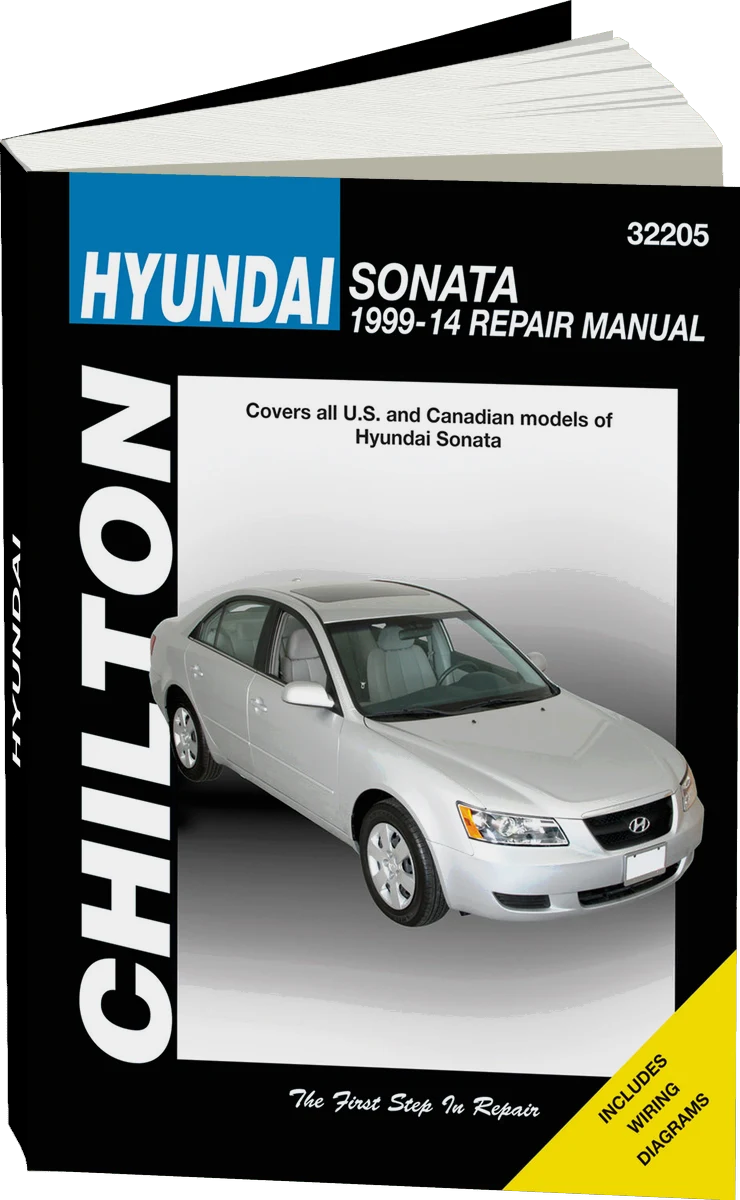 There's a full repair manual for this car
Every system, wiring diagrams and torque specs — not just this job. Chilton and 5 more.
See manuals →
Step by step
14 steps- Park the car on level ground and let the engine cool completely (at least 1-2 hours). Never open the cap on a hot engine: pressurized coolant causes burns.
- Open the hood. Find the expansion tank and unscrew its cap to release any residual pressure.
- Raise the front of the car and remove the plastic engine undercover if it blocks access to the radiator. It is held by bolts or plastic clips.
- Place the drain pan under the lower radiator hose or radiator tank. Find the drain plug or petcock at the bottom of the radiator and loosen it, directing the stream into the pan. If the plug will not turn by hand, use a suitable wrench or socket and do not use excessive force, so you do not break the plastic.
- Drain the coolant completely. To speed up draining, keep the expansion tank cap off. Empty the expansion tank itself: disconnect its hose or draw the coolant out with a syringe, remove the tank if necessary, and rinse out any sediment.
- If the coolant in the system is rusty, cloudy or contains sediment, flush the system with distilled water. Fill with water, warm up the engine until the thermostat opens with the heater set to maximum, let it cool, and drain. Repeat until clean water comes out. Leftover water will heavily dilute the new mixture, so drain everything completely after flushing.
- Tighten the radiator drain plug carefully, without overtightening. Use the torque specified in the service manual; it is a plastic part. Reinstall the hoses and the tank if you removed them.
- Pour the new coolant into the expansion tank or filler neck in a thin stream to avoid air pockets. Bring the level up to the MAX (F) mark on the tank.
- With the cap off, start the engine. Set the heater to maximum heat and maximum fan speed. Hold the engine at about 2,000-2,500 rpm until the thermostat opens: the upper radiator hose becomes hot and the cooling fan turns on. As the engine warms up, the level in the tank will drop, so top it up to the mark.
- When the air has been purged, the coolant in the tank stops bubbling and steady hot air comes from the vents. Close the tank cap until it clicks while the engine is still warm.
- Shut off the engine and let it cool. Check the level again with the engine cold and top up to the mark if needed.
- Inspect the drain opening and hose connections for leaks. Reinstall the undercover and lower the car.
- Over the next 2-3 days, check the level with the engine cold after every drive, since air may still be trapped in the system. If the level drops noticeably, look for a leak.
- Do not pour used coolant down a drain or onto the ground: it is toxic. Take it to a used automotive fluids collection point.
Common mistakes and warnings
- Do not mix coolants of different types or colors unless you are sure they are compatible: this can cause sludge and clogged radiator passages. Do not top up with tap water; use only distilled water. If the temperature gauge climbs toward the red zone after the replacement, the heater does not get hot, or you hear gurgling behind the dashboard, there is an air pocket: stop, let the engine cool, and bleed the system again. Overheating a G4NA can damage the cylinder head, so if in doubt, take it to a repair shop.
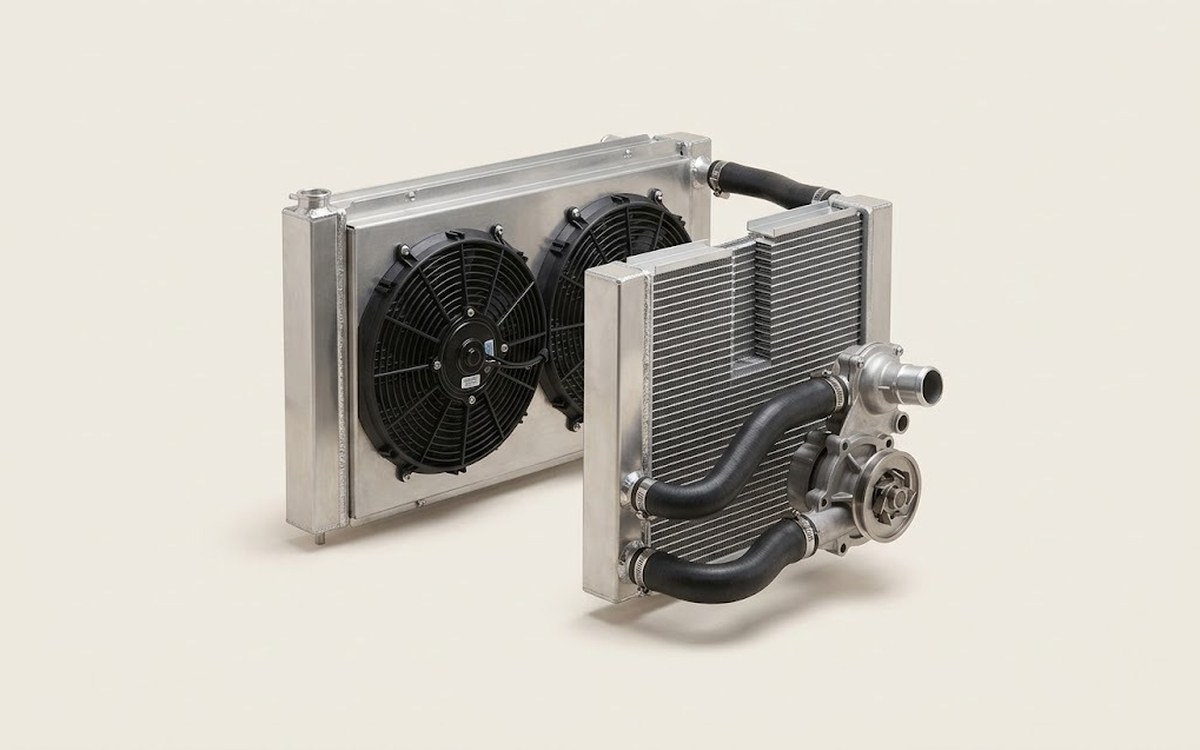 How it works · 3D
How the Engine Cooling System Works
How the part you're working on actually works — in plain English, on a 3D model.
Open in 3D →