Car reviews
SUV or Toy? Testing the Jaguar I-Pace
Autopapyrus
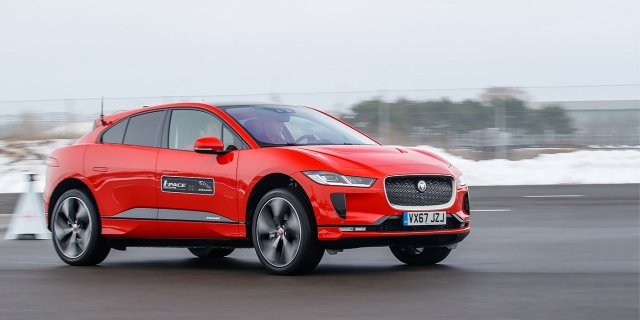
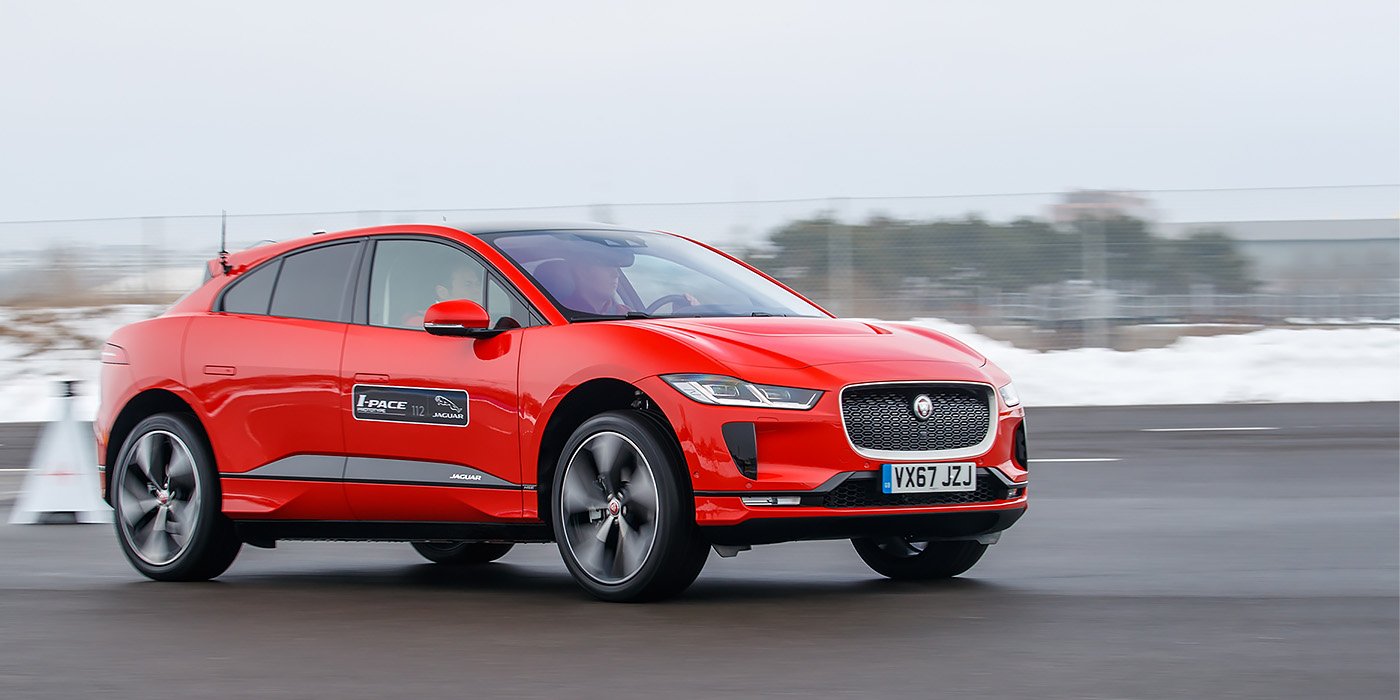
Ian Hoban, Jaguar's head of the model line, has repeatedly said that the new crossover is meant to break the stereotypes that have built up around the company and bring radical change to the segment. For now, though, the I-Pace has almost no direct rivals. Only the American Tesla Model X is a real match, and next year two more European newcomers in a similar format are due to join it: the Mercedes EQC and the Audi e-tron.
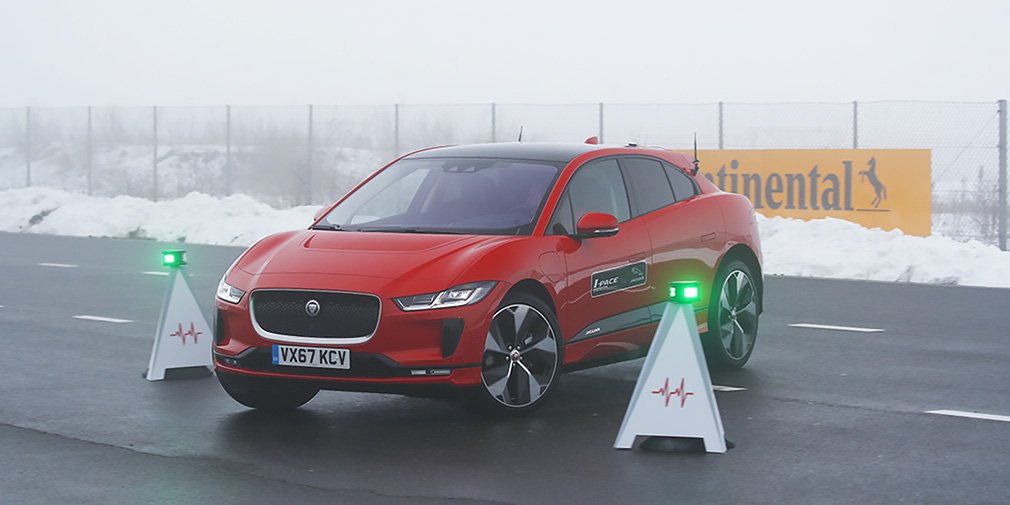
How roomy is the crossover? Is it too much of a "toy"?
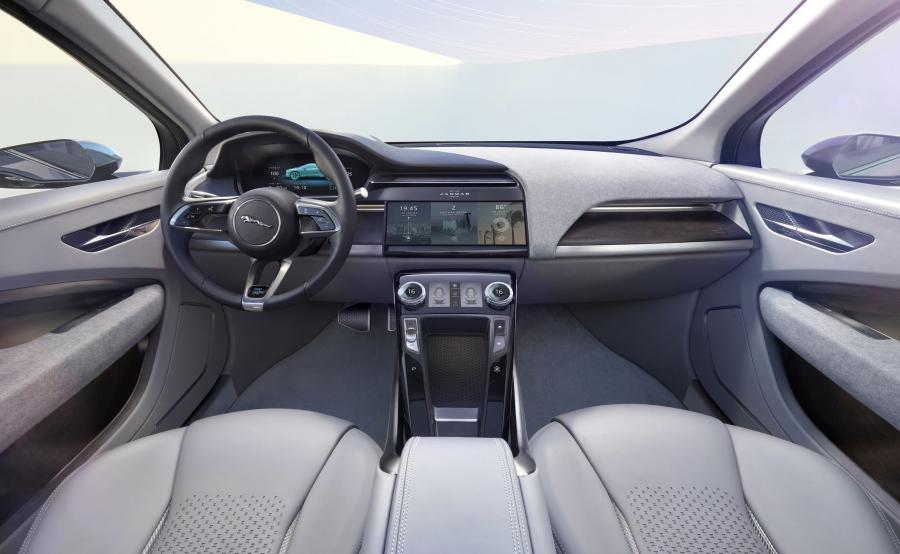
The I-Pace is built on a new platform and has no direct predecessors in Jaguar's lineup. Its dimensions come close to the F-Pace, but the electric car is heavier because of its battery and motors. Where the combustion engine would normally sit, there is now an extra storage space, and the cabin has been pushed forward. Since there is no driveshaft tunnel in the floor, rear passengers get more legroom. The I-Pace also boasts a very practical, roomy rear cargo area of 656 liters (23.2 cu ft). That more than doubles with the rear seats folded: 1,453 liters (51.3 cu ft).The engineers and designers didn't overload the cabin with gloss. Inside you'll find matte chrome, plastic and aluminum. The control display is split into two parts, similar to the touchscreens in the Range Rover Velar. There wasn't enough time to evaluate the details of this setup.
Although the electric car isn't exactly light, this doesn't affect its behavior in tight corners. The car responds well to every steering input, helped by near-perfect weight distribution and the stability control system. The drag coefficient is 0.29, and it's hard to find a better figure in this class. The developers also fitted the I-Pace with a special multi-link suspension, often found on modern sporty Jaguar models. According to one of the test-drive instructors, this is a true sports-car SUV.
How does the I-Pace adapt to the driver?
The electronics of the new Jaguar I-Pace can analyze your driving habits, remember them and adjust to the driver's personal preferences, and even to their favorite routes. The right settings switch on automatically when the owner approaches the car with a special Bluetooth-enabled key fob.
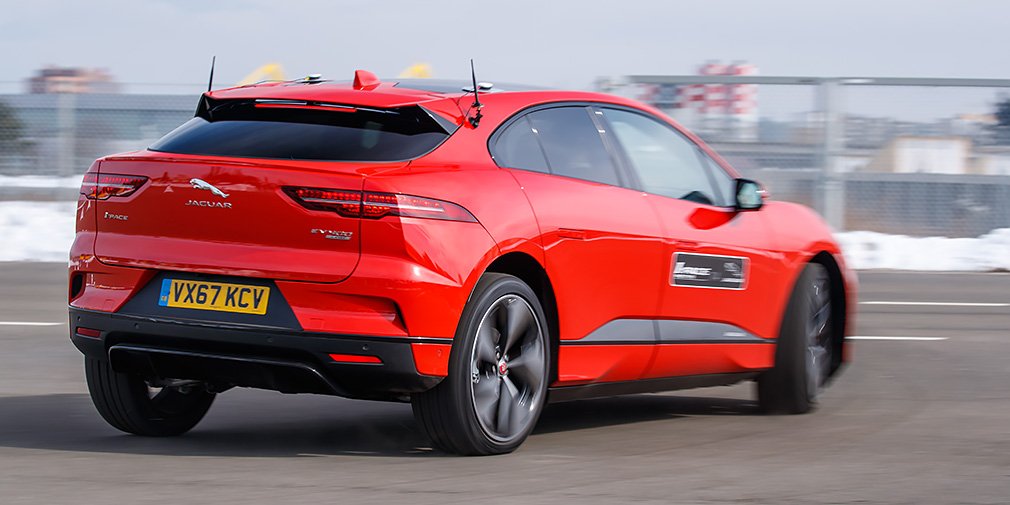
The car also calculates the battery charge it needs based on weather conditions, driving style and topographic data. You can set the cabin temperature without leaving your house using the smartphone app.
Is the I-Pace really as fast as promised?
Each axle has a silent electric motor weighing 78 kilograms (172 lb). Together they put out 400 horsepower and take the I-Pace from 0 to 100 km/h (62 mph) in just 4.5 seconds. Many sports cars would envy those numbers. The most advanced Tesla versions are even quicker, though, needing only 3.1 seconds to reach 100 km/h.
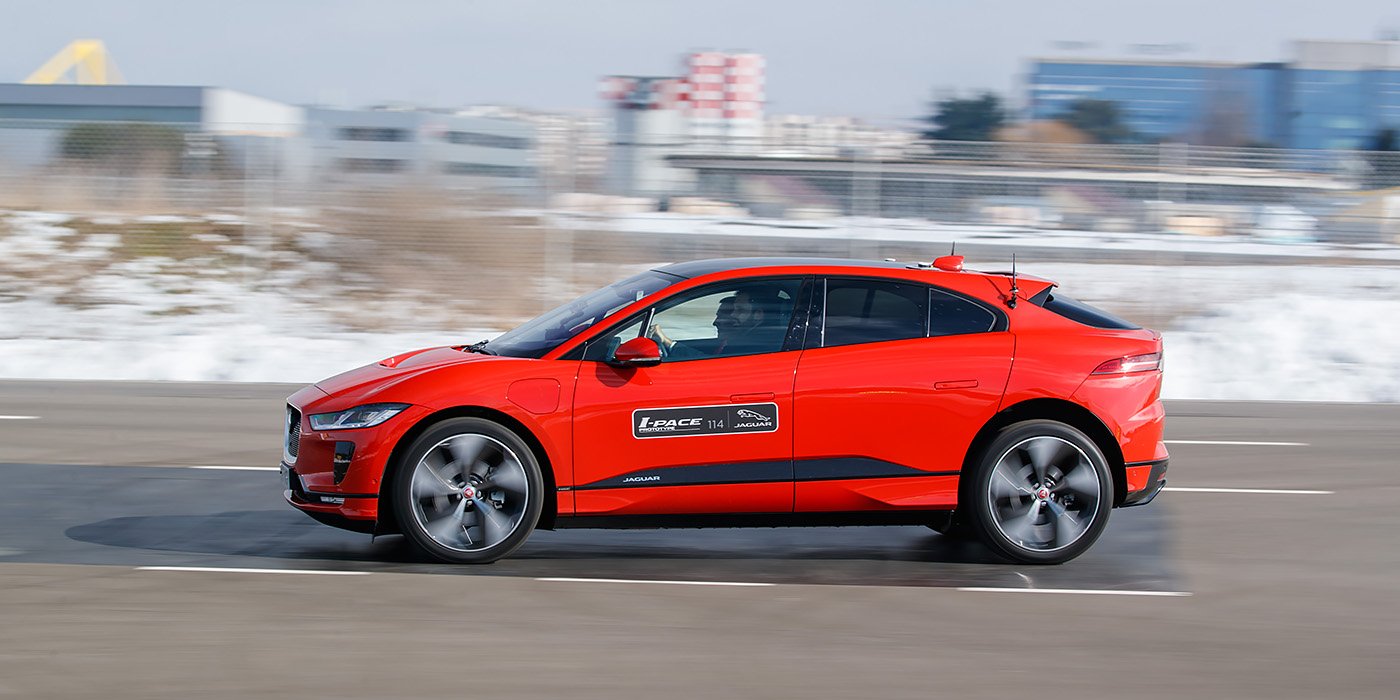
The I-Pace is quick and smooth, and you can feel a reassuring reserve of power under your right foot. Testing on the track was limited to 200 km/h (124 mph), so a detailed account of the I-Pace's performance will have to wait.
How will the electric car handle severe cold?
The Jaguar I-Pace electric crossover has a range of 480 kilometers (about 300 miles), slightly less than the Model X flagships but still very respectable. It's comfortable to drive around town or on out-of-town trips, but covering long distances in one go could be tricky, because charging infrastructure is still thin in many regions compared with the places that lead the way.
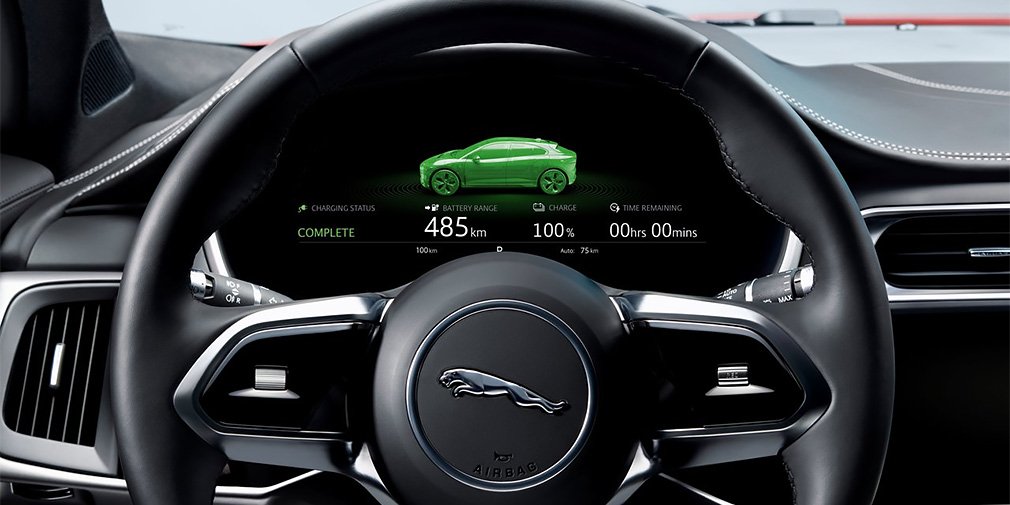
The battery can also be charged from a household outlet, with a full charge taking 13 hours. Another option is fast charging at a public station: in forty minutes you get 80% of a charge. If you're really short on time, fifteen minutes is enough for the battery to add another 100 kilometers (62 miles) of range. You can also check the battery charge remotely with a smartphone app.
As for low temperatures, the Jaguar I-Pace was also tested in severe frost. The makers claim the car works without problems at temperatures down to -40 degrees (-40°F, which is the same as -40°C).
Surely this electric car costs as much as a nice house?
Production of the Jaguar I-Pace and E-Pace has already started at the factory in Austria. The price hasn't been announced yet. The exact figure is due in summer 2018, but it's safe to assume the I-Pace will be priced well above the most advanced F-Pace, so it's clearly not going to be a cheap car.What next