Car reviews
Toyota Camry: One Car for Every Market. We Test the New Sedan
Autopapyrus
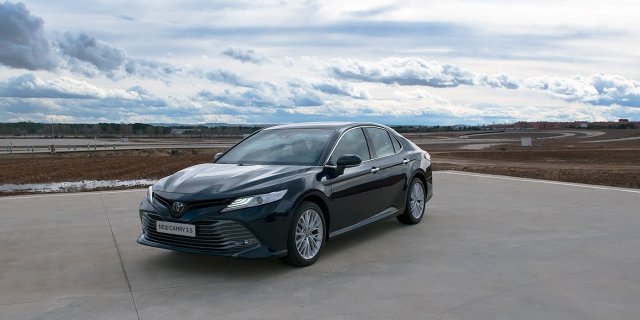
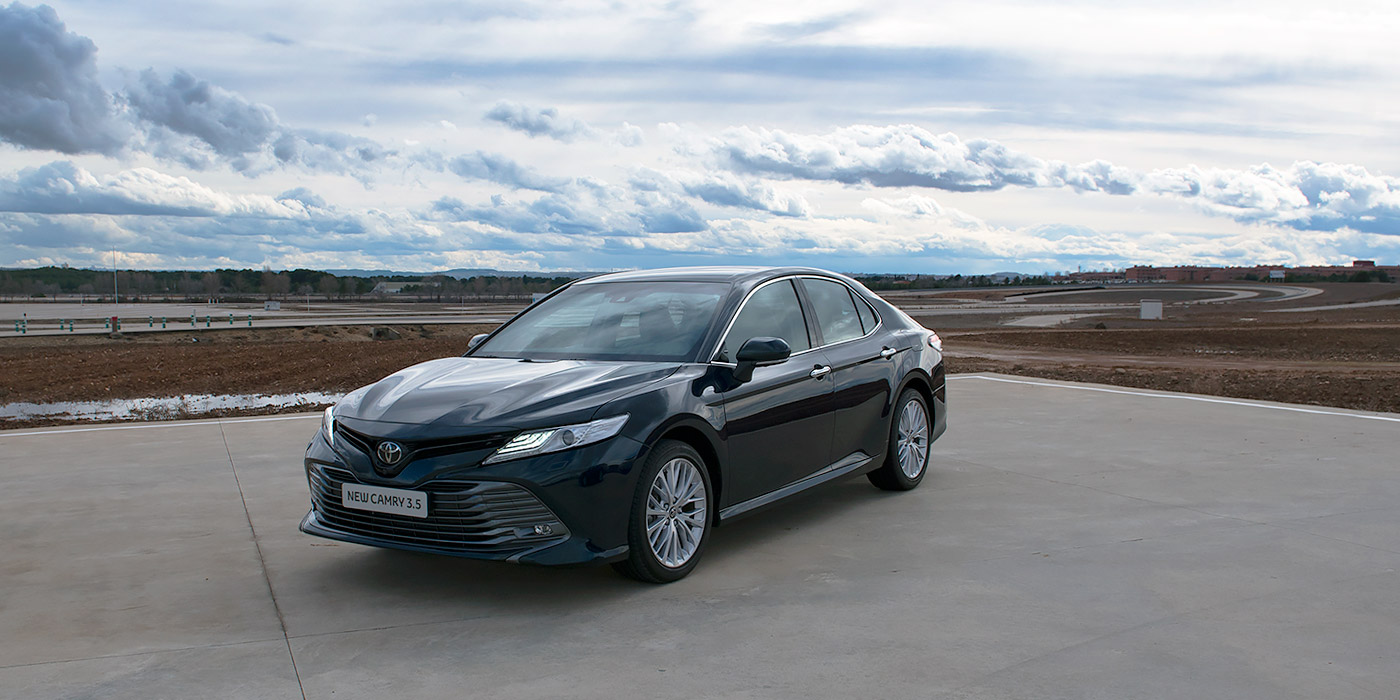
Toyota also plans to build models of different classes and sizes on the global TNGA architecture. For example, it underpins the Lexus UX, and it will later serve as the base for the next-generation Toyota Corolla.
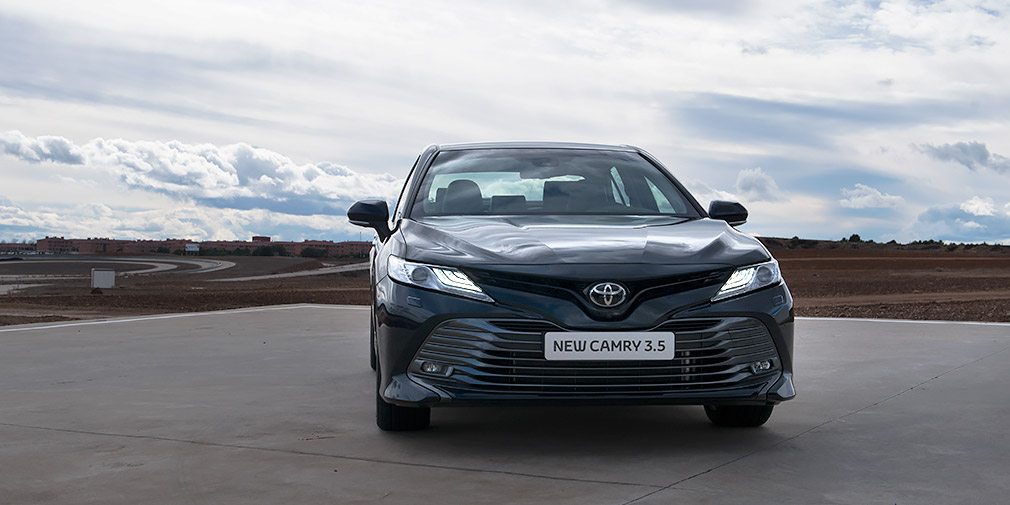
To move the new Toyota Camry onto this new platform, the car had to be substantially reworked. The body was designed from scratch using lightweight, high-strength alloy steel. As a result, torsional rigidity increased by 30 percent.
The body is larger, at 488.5 cm (192.3 in) long and 184 cm (72.4 in) wide, but the designers lowered the height to 145.5 cm (57.3 in) from the previous 148 cm (58.3 in). These changes were made to optimize aerodynamics, and the engineers say the drag coefficient will be no higher than 0.3. Despite the larger dimensions, the weight of the new Camry has not changed much. Depending on the powertrain, the car weighs between 1,570 and 1,700 kg (3,461 to 3,748 lb).
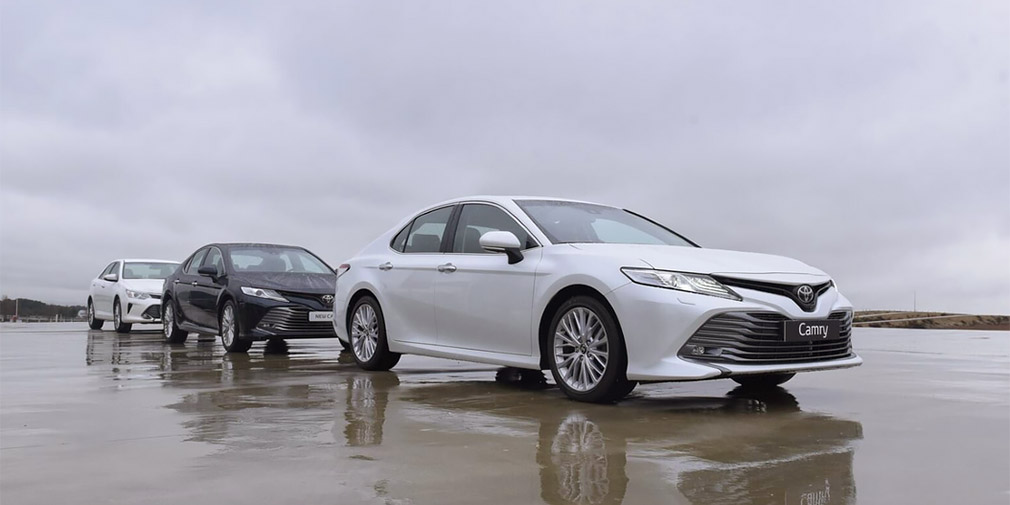
The body changes are extensive partly because the new platform requires a different suspension layout. The rear now uses a multi-link setup, although the front architecture is broadly unchanged.
From the first kilometers on the road, the new Camry's ride is smooth. The car simply soaks up road imperfections. Neither the body nor the cabin is affected by the surface, and only a muffled sound from somewhere underneath reminds you of the bumps beneath the wheels.
The sedan also stays stable on a fast straight road, without the pronounced pitching motion of the previous Camry. The firmer, tighter damper tuning makes the difference.
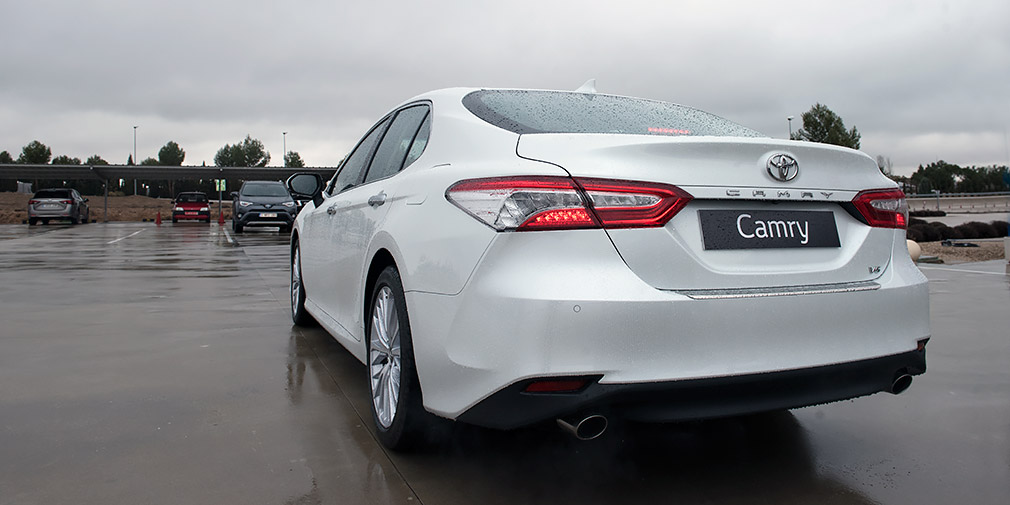
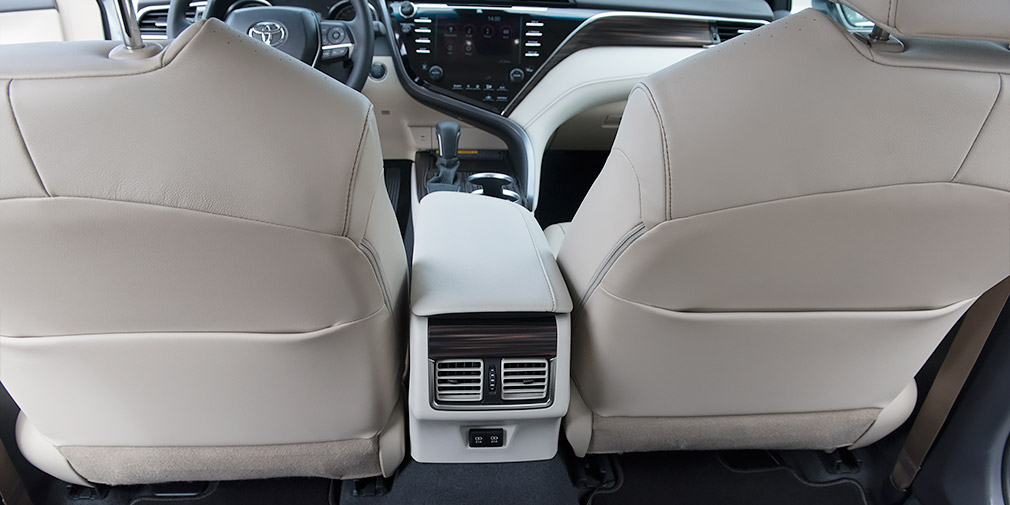
The sound insulation of the updated Camry also deserves praise. Plastic plugs in the body openings, a special high-density pad on the rear parcel shelf and a five-layer barrier between the engine bay and the cabin all help keep the interior quiet. Even at 150 km/h (93 mph) you can talk with the person next to you without raising your voice. You hear nothing but the pleasant, even rush of air flowing over the windshield.
The new platform makes the Camry not only more comfortable but also better to drive, which matters just as much. Body roll and pitching are noticeably reduced thanks to the new damper settings we mentioned, and the steering is much improved too, thanks to an electric power steering system with new tuning.
The steering ratio has also been updated, and it now takes slightly more than two turns lock to lock. The electric assist is calibrated so well that you can forget about a numb wheel with vague effort. At the same time, the wheel isn't heavy. The effort feels natural and produces a clear response, so the feedback is close to ideal.
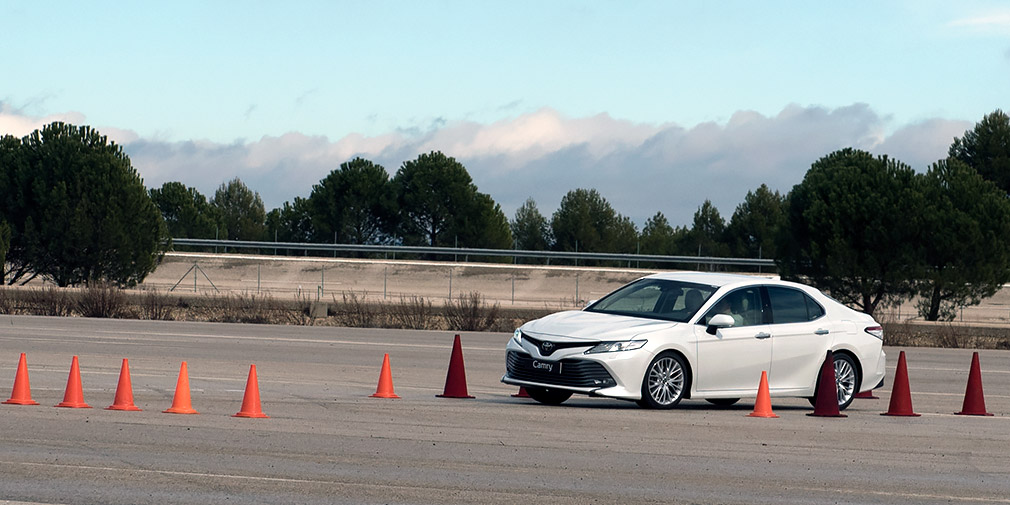
As for engines, the Camry in this test comes with a lineup that has hardly changed. The base unit is the same four-cylinder 2.0-liter with 150 horsepower, paired with the familiar six-speed automatic.
One step up is the well-known 2.5-liter engine with 181 horsepower. North American buyers, however, get a modernized engine that is ideally matched to the new eight-speed Aisin automatic.
In this test market, the new automatic is available only on the top version of the Camry, with the new six-cylinder 3.5-liter engine, tuned here to 249 horsepower. Production of these engines was still being set up at the local plant, so they were to be added to the top Camry trim a little later.
The most advanced version of the sedan is also quicker, with torque up by 10 Nm (7 lb-ft).
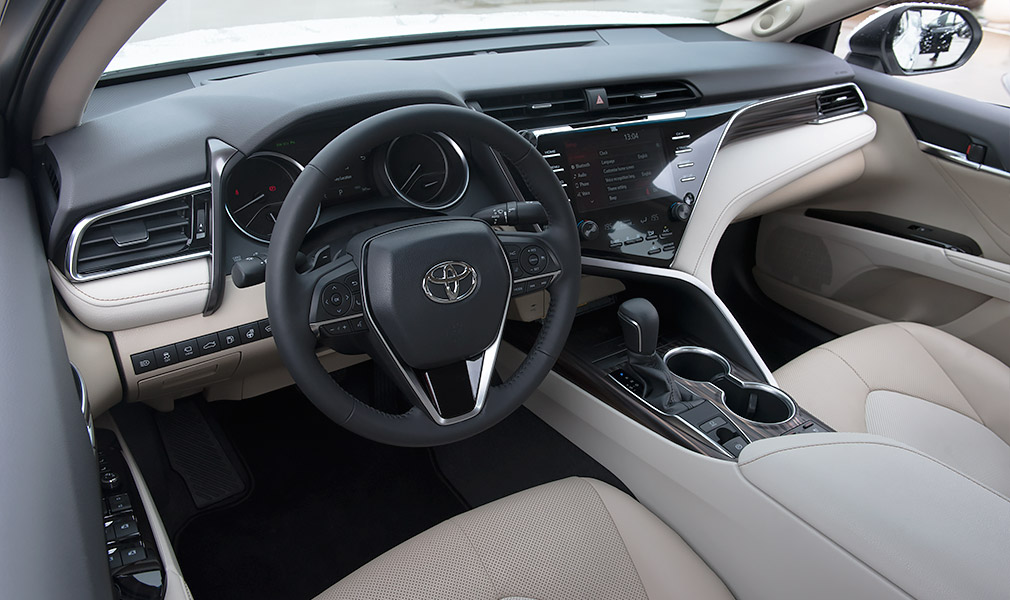
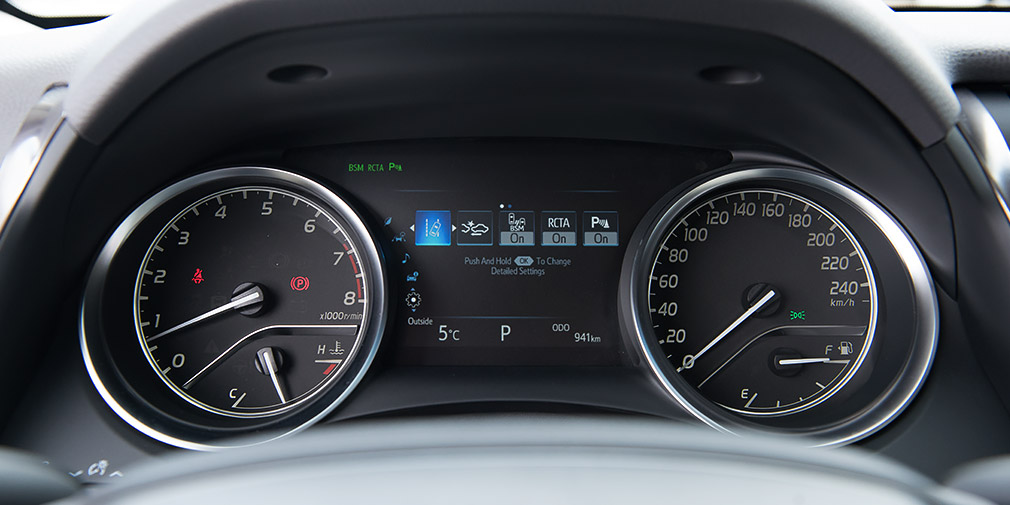
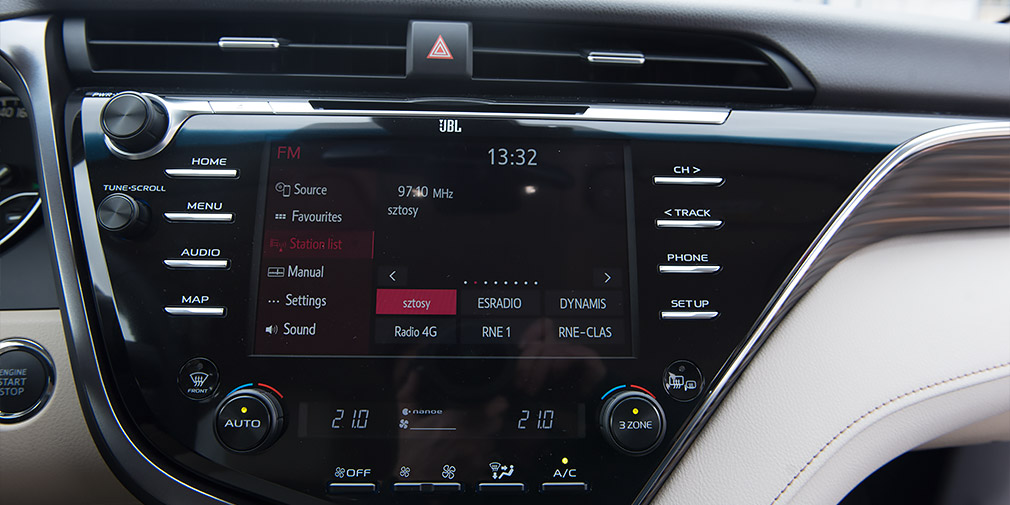
As for technology and options, this market lags behind none of the others. Owners will appreciate the convenient eight-inch display, a surround-view camera system, a JBL audio system with nine full-size speakers, and the full set of driver aids in Toyota Safety Sense 2.0. These can automatically recognize road signs, adjust the headlights automatically, keep the car in its lane, and provide an improved collision-avoidance system that reacts not only to other vehicles but also to pedestrians.
What next