Autopapyrus · BMW 5 Series 2.0 Turbo B48 (2018)
https://autopapyrus.com/guides/bmw/5-series/coolant-replacement/
https://autopapyrus.com/guides/bmw/5-series/coolant-replacement/
Compiled automatically from service literature and owner experience. Specs are for the typical configuration — check them against your exact car before you start.
BMW 5 Series 2.0 Turbo B48 (2018): Coolant Replacement
The B48 in the G30 is cooled by a mixture of water and ethylene glycol-based antifreeze. The circuit includes the radiator, an electric water pump, an electronically controlled thermostat and a separate turbocharger circuit. The coolant is usually changed every 4-5 years or 90,000-100,000 km. Check the exact mixture and interval in the service booklet.
Part
- 🔩 BMW coolant (Long Life type concentrate, blue or green) and distilled water for dilution. The system holds approximately 7-8 L (7.4-8.5 qt). Replace the expansion tank cap O-ring and the radiator drain plug, if equipped, as needed based on condition
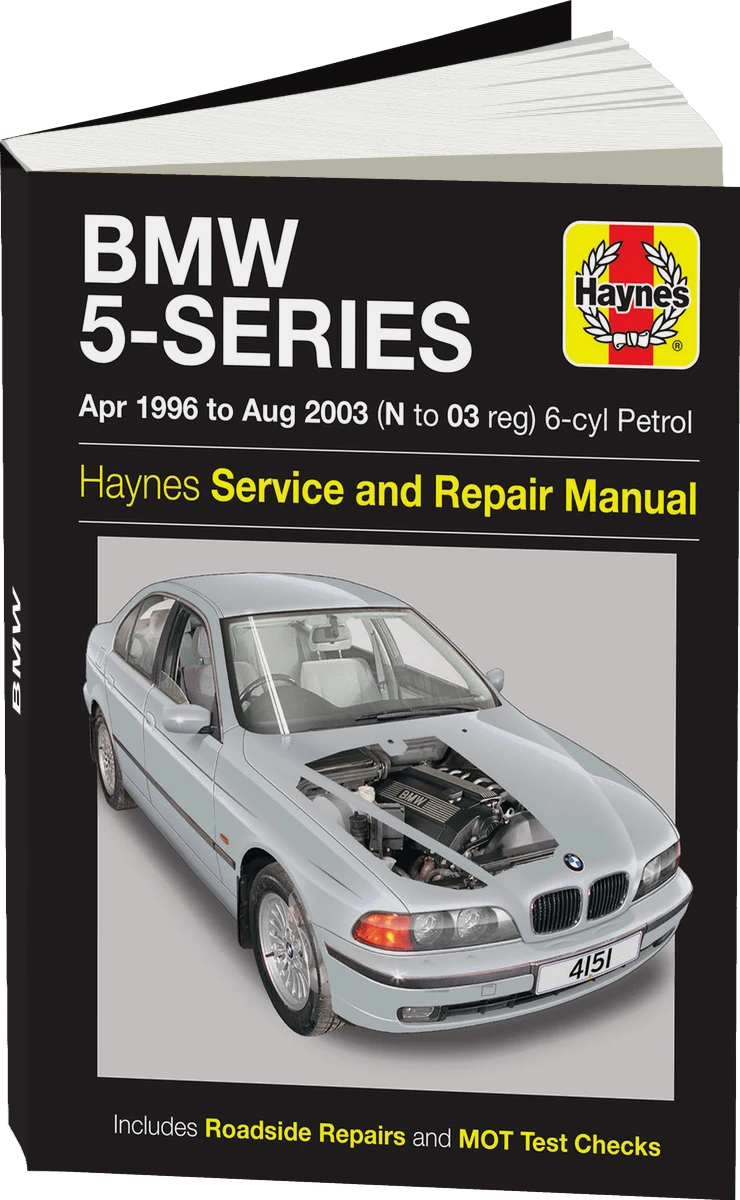 There's a full repair manual for this car
Every system, wiring diagrams and torque specs — not just this job. Haynes and 7 more.
See manuals →
Step by step
11 steps- Work only on a completely cold engine. A hot pressurized system can burn you with steam and liquid. Park the car on level ground or a lift and connect a charger to the battery, because the ignition will need to stay on for a long time later.
- Remove the lower engine bay skid plate (Torx fasteners). Locate the lower radiator hose and the drain plug or the hose clip.
- Place a drain pan under the radiator. Slowly loosen the expansion tank cap a little to release residual pressure. Then open the radiator drain plug or carefully remove the lower hose.
- Drain the coolant completely. Some remains in the engine block and in the heater circuit. If you want a more complete replacement, refill with distilled water and drain once or twice more. After flushing, keep in mind that water will remain in the system, so the antifreeze concentration will need to be adjusted.
- Reinstall the plug or hose. Tighten the plug gently, without much force, because the plastic is easily stripped. If the drained coolant contains rust, oil or sediment, that is a reason to inspect the condition of the system.
- Prepare the mixture according to the antifreeze manufacturer's recommendation. This is usually 50/50 with distilled water. If the concentrate is not pre-diluted, dilute it beforehand.
- Pour the coolant into the expansion tank up to the maximum mark, slowly, to avoid creating air pockets.
- Bleed the air. Turn the ignition on without starting the engine, set the heater to maximum temperature and turn the fan on low speed. For this generation of BMW there is an automatic bleeding procedure using diagnostic equipment. Without it, do the following: start the engine and hold 2000-2500 rpm until the thermostat opens and both radiator hoses become warm. Monitor the level in the tank and top it off.
- Warm the engine up to operating temperature. Let it cool and check the level again. Repeat this several times over the next few days. If necessary, top off to a level between the minimum and maximum marks on a cold engine.
- Turn the heater on full and check that the heater is hot and that the upper and lower radiator hoses are warm. If the heater is cold or the level drops, air remains in the system, so repeat the bleeding. Then check for leaks at the plug and hoses.
- Reinstall the engine skid plate. Dispose of the old coolant properly; do not pour it onto the ground.
Common mistakes and warnings
- Do not open the tank cap on a hot engine. Coolant is toxic and dangerous to animals, so store it in a closed container. Do not mix different types of antifreeze. An air pocket in a circuit with an electric pump can cause localized overheating of the turbocharger and cylinder head, so do not skip the bleeding steps. Check the exact tightening torques and system capacity against the manufacturer's specifications. If you are not sure about bleeding or do not have diagnostic equipment, go to a repair shop.
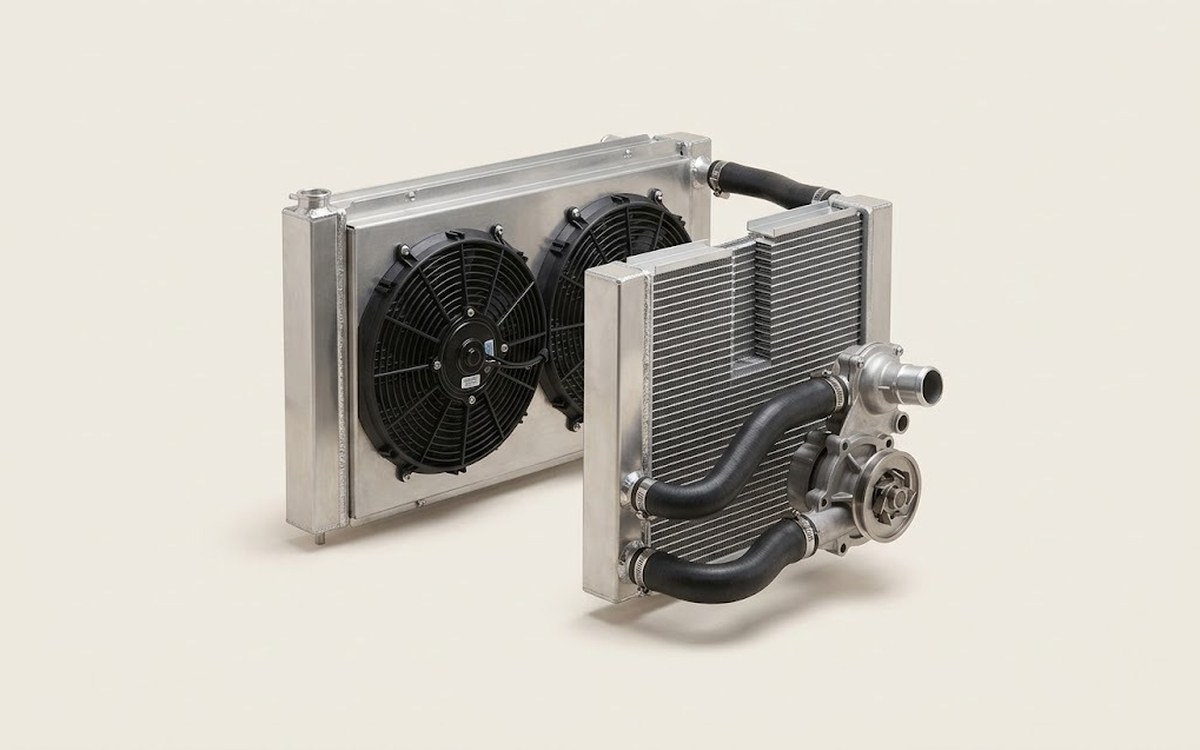 How it works · 3D
How the Engine Cooling System Works
How the part you're working on actually works — in plain English, on a 3D model.
Open in 3D →