Autopapyrus · Isuzu Forward
https://autopapyrus.com/guides/isuzu/forward/checking-the-brake-fluid-level-in-the-hydraulic-circuit/
https://autopapyrus.com/guides/isuzu/forward/checking-the-brake-fluid-level-in-the-hydraulic-circuit/
Compiled automatically from service literature and owner experience. Specs are for the typical configuration — check them against your exact car before you start.
Isuzu Forward: Checking the Brake Fluid Level in the Hydraulic Circuit
The exact procedure for this model variant is not documented in open service materials, so this is the general principle for trucks with a hydraulic brake system. Check the fluid level on level ground using the MIN and MAX marks on the master cylinder reservoir (on air-over-hydraulic versions, this is the reservoir for the hydraulic part). A falling level means worn brake pads or a leak.
Part
- 🔩 Consumables. DOT 3 or DOT 4 brake fluid (use the class marked on the reservoir cap; do not mix different types)
Step by step
8 steps- Park the truck on level ground, shut off the engine, and set the parking brake. Chock the wheels. If the cab is tilting, tilt it using the standard procedure and make sure it is locked in place.
- Find the master cylinder reservoir. It is usually mounted on or next to the cylinder, at the firewall near the pedal assembly. The reservoir has MIN and MAX marks, and the cap may contain a level sensor.
- Thoroughly wipe the reservoir and cap on the outside. Dirt must not get inside when you open it.
- Check the level against the marks. If the reservoir is translucent, you do not need to remove the cap. The level should be between MIN and MAX, closer to MAX.
- If the level is below MAX but above MIN, top up carefully. Unscrew the cap, add fresh fluid of the same class from a sealed container up to the MAX mark, and close the cap tightly. Do not overfill above MAX.
- Check the color of the fluid. Dark brown or black fluid, cloudiness, or sediment means it needs to be fully replaced and the system bled. This is usually done every 2 years or per the maintenance schedule.
- If the level was at MIN or below, or if you have to top up often, find the cause. Inspect the wheel cylinders, calipers, hoses and lines, fittings, and the master cylinder for leaks. Check the thickness of the linings or pads, because wear also lowers the level. Do not drive until the cause is found.
- After the check, close the cap, wipe up any spilled fluid, and press the brake pedal several times. The pedal should feel firm, with no sinking. Then check the level again.
Common mistakes and warnings
- The brake system is critical to safety. If the level has dropped suddenly, the pedal is soft or sinks to the floor, the brake warning light is on, or you see leaks, do not drive on the road. Contact a repair shop if you have no experience working on brakes. Brake fluid damages paint and irritates skin, so wash it off immediately with water. Keep the container closed, because the fluid absorbs moisture from the air.
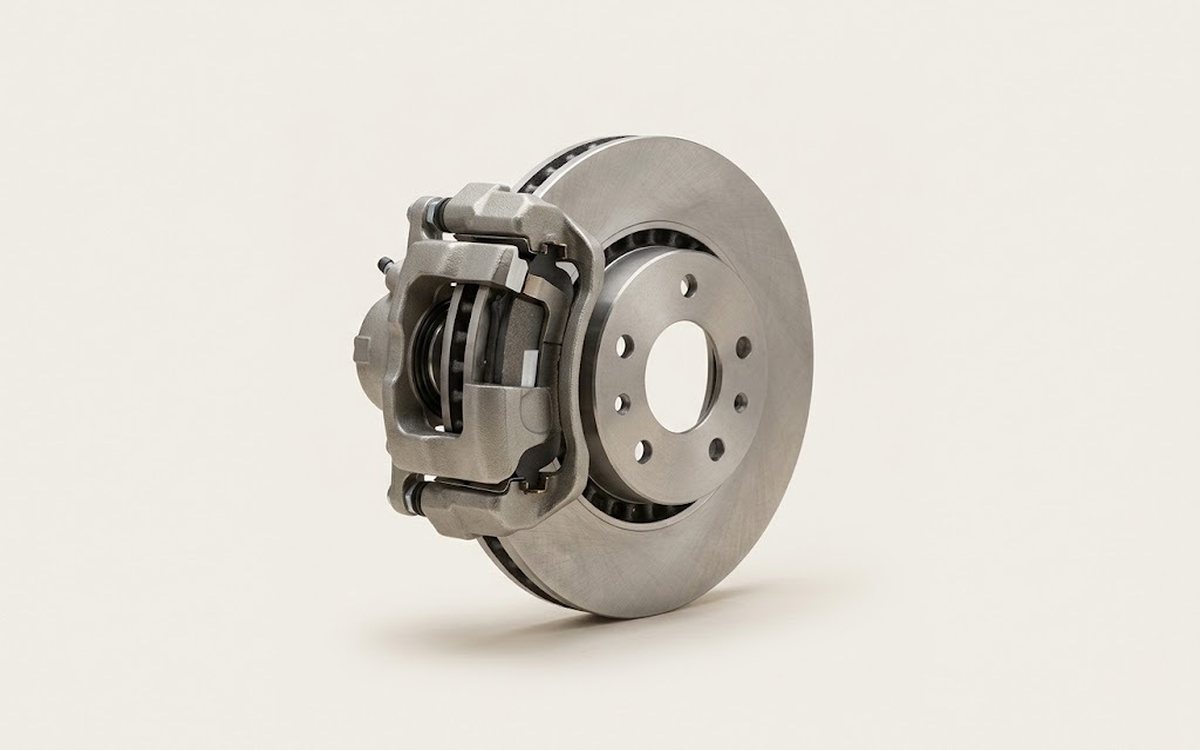 How it works · 3D
How Car Brakes Work
How the part you're working on actually works — in plain English, on a 3D model.
Open in 3D →