Autopapyrus · Renault Duster (1st generation)
https://autopapyrus.com/guides/renault/duster/brake-fluid-replacement/
https://autopapyrus.com/guides/renault/duster/brake-fluid-replacement/
Compiled automatically from service literature and owner experience. Specs are for the typical configuration — check them against your exact car before you start.
Renault Duster (1st generation): Brake Fluid Replacement
Brake fluid absorbs moisture, which lowers its boiling point and increases the risk of corrosion in the brake system. Maintenance interval: every 90,000 km or every 3 years, whichever comes first. The procedure does not depend on the engine. Bleeding is a two-person job, and the reservoir must never be left empty.
Part
- 🔩 DOT 4 brake fluid (check the grade and class against the marking on the reservoir cap). About 1 L (1.1 qt) is needed
Step by step
12 steps- Park the car on a level surface or over an inspection pit, turn off the engine, and apply the parking brake. If you are removing the wheels, loosen the lug bolts before lifting the car, then support it on jack stands.
- Open the hood and wipe the reservoir cap and the area around it. Use the bulb to remove the old fluid from the reservoir down to a level just above the MIN mark, without exposing the bottom or letting air into the line. Top up with new fluid to MAX.
- Clean the bleeder screw on the first caliper or cylinder, remove the protective cap, and push a clear hose onto the bleeder screw. Put the other end of the hose into a container with a small amount of fluid. This lets you see air bubbles and prevents air from being drawn back in.
- The bleeding order is: right rear wheel, left front, left rear, right front.
- Have your helper press the brake pedal 4-5 times and hold it down. Open the bleeder screw about 1/2 to 3/4 turn with the 8 mm wrench. Fluid with bubbles flows out and the pedal goes down to the floor. Close the bleeder screw before the helper releases the pedal.
- Repeat step 5 at each wheel until clean fluid comes out, free of bubbles and without the old dark tint. Watch the reservoir level and top it up in time. Never let it drop below MIN.
- If you are working alone: you can open all four bleeder screws with hoses running into bottles and keep an eye on the reservoir. After 200-250 ml (6.8-8.5 fl oz) has come out of each wheel, close the bleeder screws. The reservoir must be topped up constantly during this, because it empties quickly.
- Tighten the bleeder screws carefully, without excessive force, and refit the caps. The tightening torque for a bleeder screw is low, and stripping the thread or breaking off the screw head often means replacing the caliper or cylinder.
- Top up the fluid to the MAX mark and close the reservoir. Press the pedal several times: it should feel firm and not sink. Check the bleeder screws and connections for leaks.
- If the pedal is soft, repeat the bleeding: there is still air in the system. Do not drive the car in this condition.
- Refit the wheels and tighten the lug bolts in a crisscross pattern to the manufacturer's specification. Before driving off, press the pedal several times while stationary, then test the brakes at low speed in an open area.
- Dispose of the old fluid properly. It is toxic and must not be poured onto the ground or down a drain.
Common mistakes and warnings
- Brakes are a safety system. If you have no experience bleeding brakes, or the pedal stays soft after the job, take the car to a repair shop. Do not mix different types of fluid (for example, DOT 4 and silicone-based DOT 5). Keep brake fluid off the paint: it eats away the finish, so rinse it off immediately with water. The Duster's clutch is hydraulically operated and uses the same fluid from the shared reservoir. If you want to replace that fluid too, only the master cylinder and hoses are bled, not the slave cylinder. This requires a limiter made from a metal washer 1.0-1.2 mm thick (outer diameter about 23 mm, hole about 10.5 mm), which holds the hose connector in place. If in doubt, do not touch the clutch hydraulics.
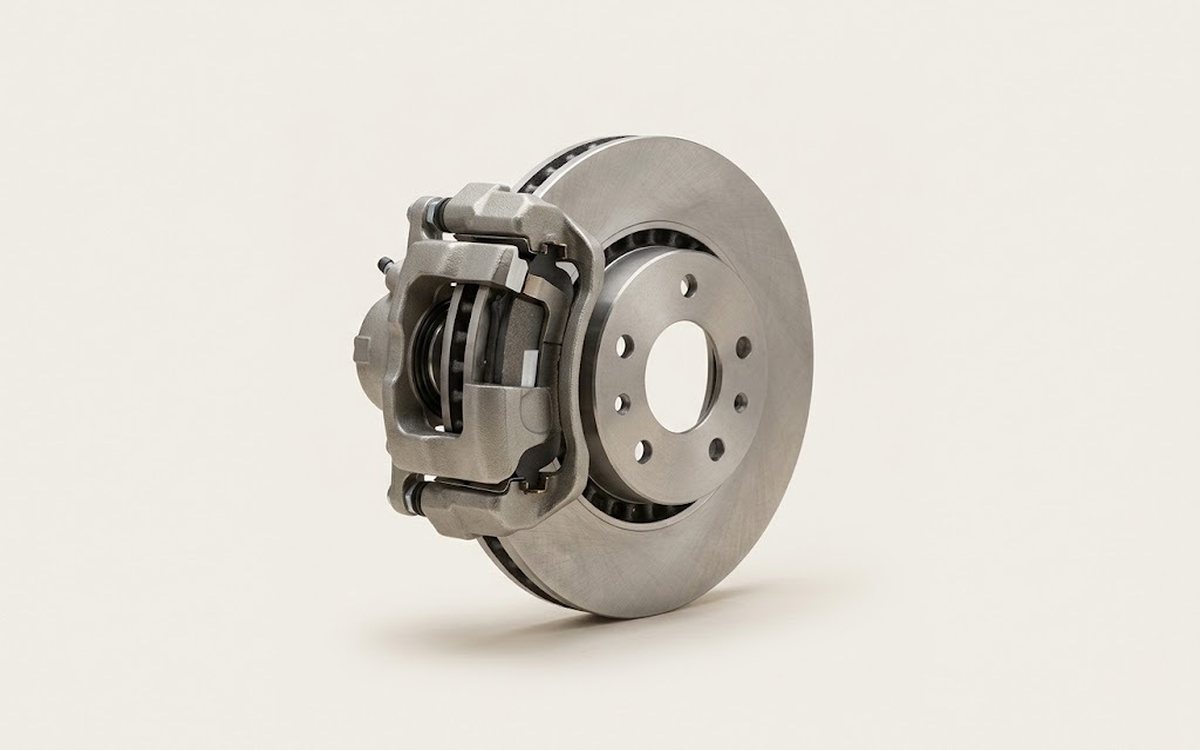 How it works · 3D
How Car Brakes Work
How the part you're working on actually works — in plain English, on a 3D model.
Open in 3D →